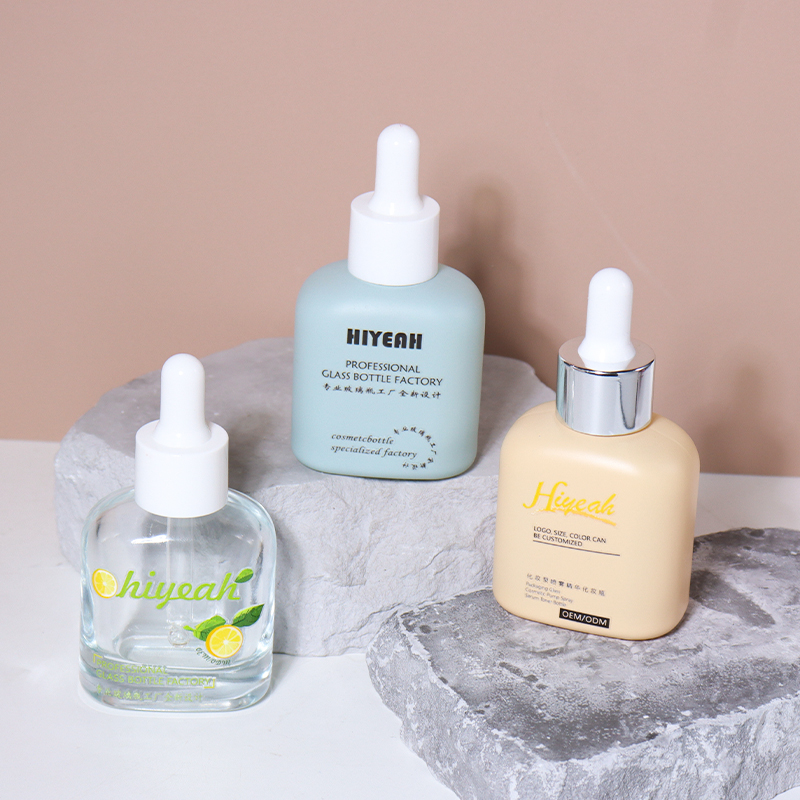
The Science Behind Consistent Drop FormationHow surface tension, viscosity, and gravity interact to determine drop volumeEvery time liquid leaves a dropper bottle, three physical forces compete: surface tension pulls the liquid into a sphere, viscosi...
VIEW MORE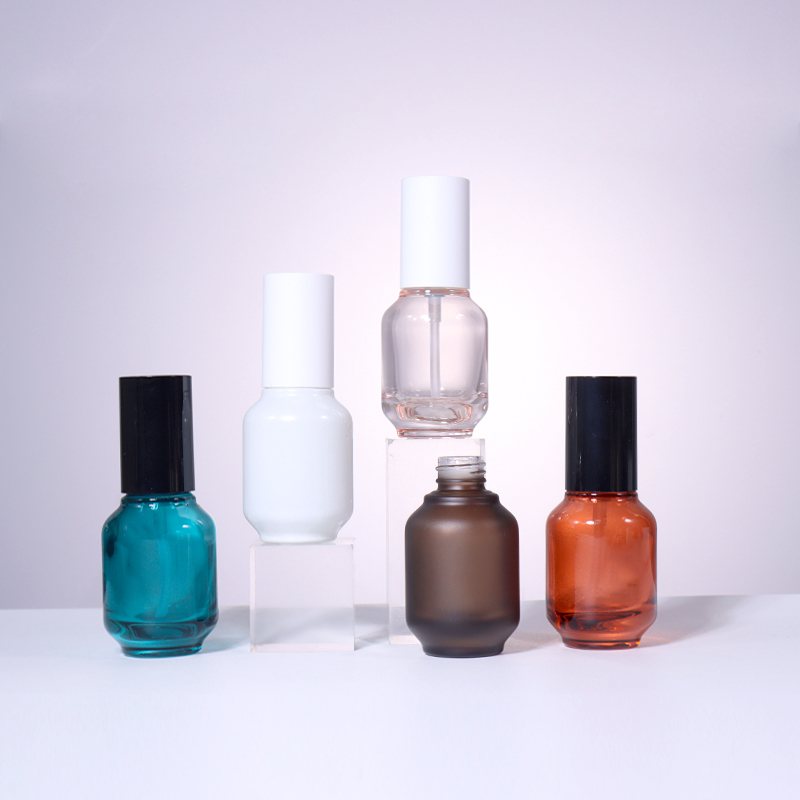
The Psychology Behind Luxury Cosmetic Box PerceptionHow tactile cues like weight, texture, and rigidity shape subconscious value judgmentsA luxury cosmetic box communicates value long before the product is seen. Consumers instinctively assess quality...
VIEW MORE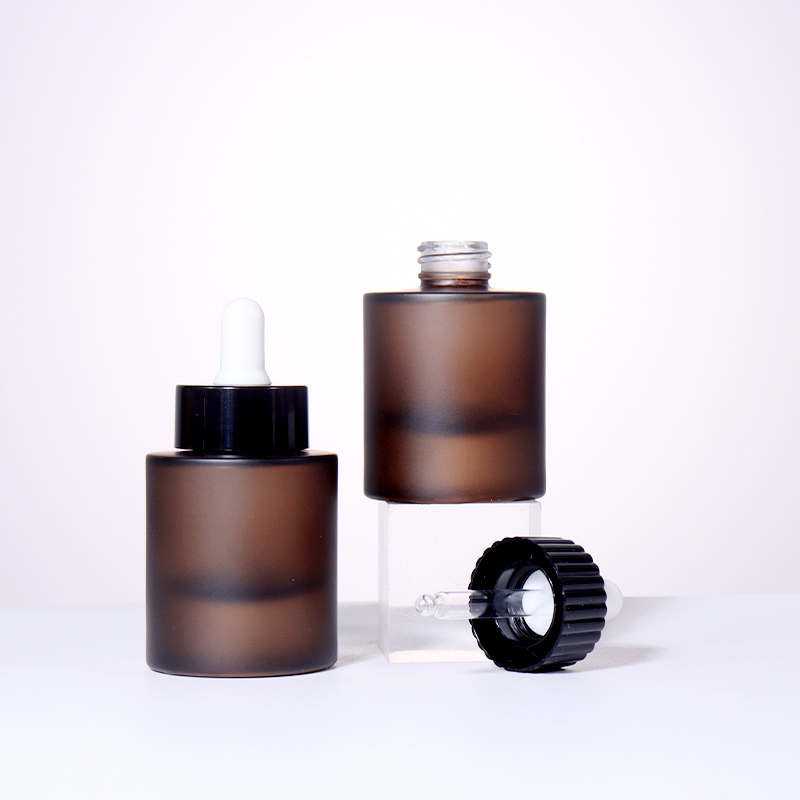
Choosing the Right Logo Application Method for Your Cosmetic BottleSelecting the optimal logo application method for your cosmetic bottle significantly influences brand perception, production efficiency, and cost. The choice depends on factors like b...
VIEW MORE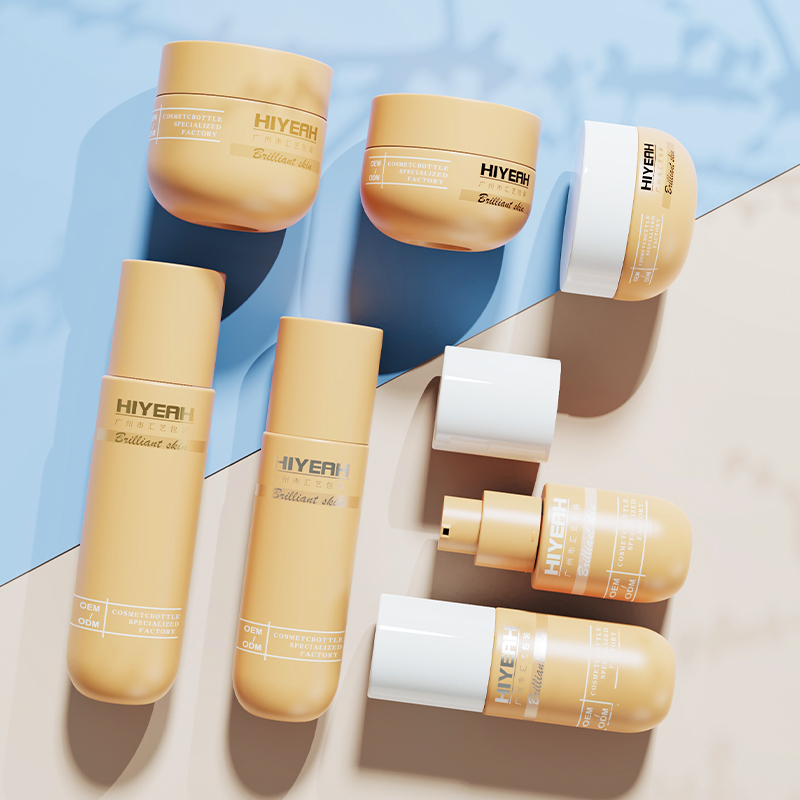
Selecting Skincare Packaging Materials for Formula IntegrityMatching Barrier Properties to Active Ingredient Stability (e.g., Vitamin C, Retinol, Peptides)Choosing materials that preserve actives requires aligning barrier properties with chemical vul...
VIEW MORE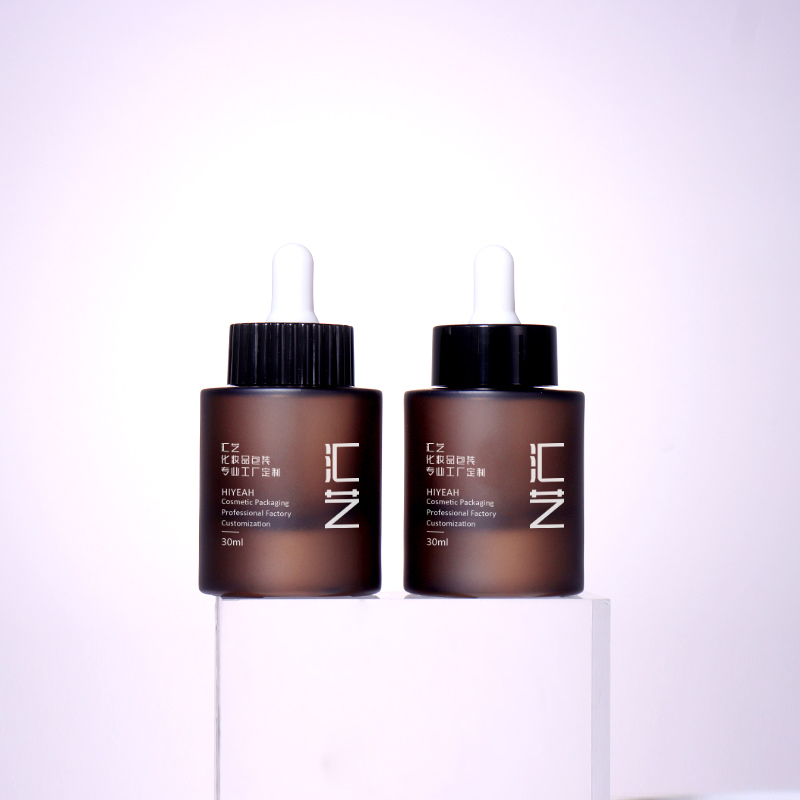
Material Compatibility: Why Glass Is Essential for Essential Oil StabilityNon-Reactive Glass vs. Plastic: Preventing Chemical Leaching and OxidationGlass is chemically inert, forming a non-reactive barrier that prevents essential oils from interactin...
VIEW MORE
Understanding Refillable Shampoo Bottle Fundamentals Why Refillable Shampoo Bottles Matter for Brand Sustainability and Customer Loyalty Refillable shampoo bottles reduce plastic waste by up to 70% over their lifecycle compared to single-use alterna...
VIEW MORE
Cosmetic Sample Size Standards and Portability RequirementsIndustry-standard small bottle volumes for cosmetic samples (5ml–10ml)The 5ml–10ml range is the industry standard for cosmetic samples, striking an optimal balance between regulatory complian...
VIEW MORE
Glass Jar Material Integrity: Protecting Potent Skincare FormulasInertness and Airtight Sealing for Active-Rich SkincareGlass jars preserve formula integrity through inherent chemical inertness—unlike many plastics, they do not leach contaminants or ...
VIEW MORE
How Viscosity Determines the Right Pump BottleLow-Viscosity Serums vs. High-Viscosity Lotions: Mechanical Demands on Pump DesignSerums—ranging from water-like (1 mPa·s) to light oils (50–100 mPa·s)—require precision-engineered pumps that control flow...
VIEW MORE
Regulatory Safety Standards for Cosmetic Plastic BottlesFDA, EU Cosmetics Regulation, and REACH Compliance RequirementsCosmetic plastic bottles must comply with stringent regional safety frameworks. In the U.S., the FDA regulates packaging under the ...
VIEW MORE
The Psychology Behind the Pink Bottle: Emotional Triggers and Perceptual ImpactColor psychology fundamentals: Why pink evokes warmth, calm, and approachabilityPink occupies a distinctive place in color psychology—its blend of red’s energy and white’s...
VIEW MORE
Match Pump and Bottle to Formula Viscosity and StabilityWhy viscosity dictates pump mechanism: fine mist vs. piston vs. foam for different lotion bottle formulationsFluid thickness is the primary driver of pump selection. Low-viscosity formulas (unde...
VIEW MORE EN