 EN
EN

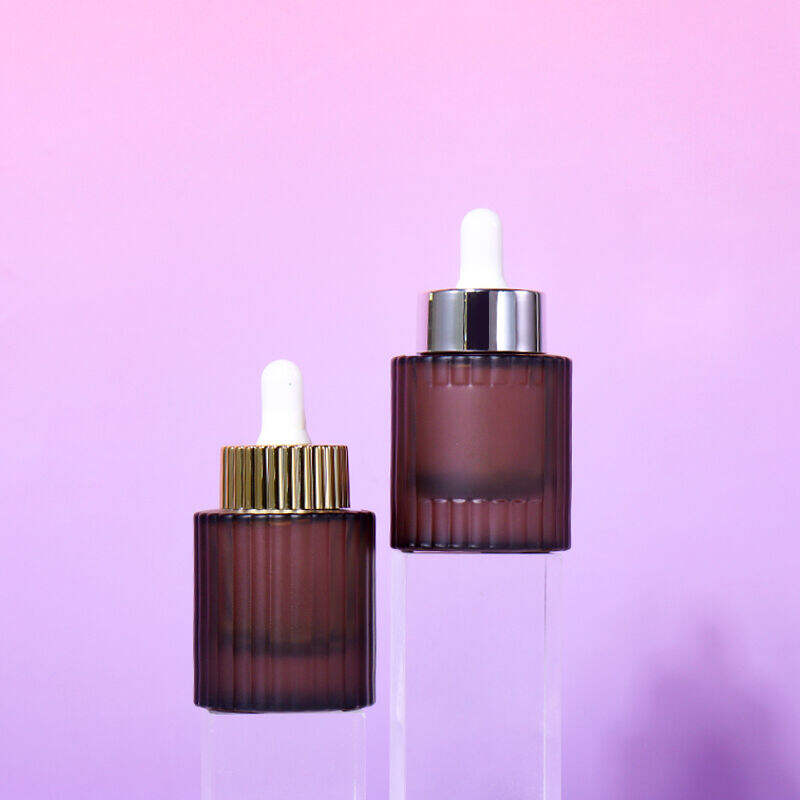
What Makes a Cosmetic Packaging Supplier Reliable
A cream jar that looks premium on the shelf but leaches plasticizer into the formula after three months is a recall waiting to happen. Cosmetic packaging sits at the intersection of brand identity, material chemistry, and regulatory compliance. The difference between a reliable supplier and an expensive mistake comes down to certifications, material safety data, and production consistency — evaluated before the first purchase order.
Certifications and Quality Systems That Matter
The most important credential for a cosmetic packaging supplier is ISO 22716 — the international GMP standard written specifically for cosmetics. It covers personnel, premises, raw materials, production, quality control, storage, and shipment. A certified supplier has been audited by SGS, Intertek, or equivalent against a framework that regulators in the US, EU, Canada, and Japan recognize as the global baseline.
ISO 9001 provides additional documented-process assurance. For food-adjacent categories — lip balms, lipsticks — BRCGS Packaging Materials certification bridges cosmetic and food-grade standards. Suppliers with in-house testing — migration testing, heavy metal analysis, compatibility testing — reduce the brand's reliance on external labs and shorten development timelines.
Real-World Case — A Skincare Brand's Costly Supplier Lesson
A French skincare brand launched a premium facial serum in 30 ml airless pump bottles from a supplier selected on unit price and samples. Within four months, complaints surfaced — pumps failing, bottle neck cracking, chemical odor. Investigation traced the pump failure to an elastomer incompatible with the serum's essential oils, and the odor to residual solvents from non-cosmetic-grade adhesive. The supplier had no ISO 22716 certification and no compatibility testing.
The brand recalled the batch and switched to a new cosmetic packaging supplier with ISO 22716 GMP, in-house compatibility testing, and full batch traceability. The recall cost exceeded €120,000. The new supplier's unit cost was 18% higher, but two recall-free years made that premium irrelevant.
Material Safety and Regulatory Compliance
EU and US Standards for Packaging Safety
Cosmetic packaging in the EU must comply with Regulation (EC) No 1223/2009, requiring packaging not to compromise product safety. Industry practice follows food-contact material testing — total and specific migration limits — documented in the product safety report. REACH separately restricts SVHCs such as phthalate plasticizers, bisphenol A, and certain heavy metals in packaging materials.
In the US, MoCRA of 2022 strengthened FDA oversight of cosmetic safety, including packaging in safety substantiation. While MoCRA does not mandate a specific packaging GMP, ISO 22716 alignment is increasingly industry standard. California's Proposition 65 adds requirements for listed chemicals above safe harbor levels.
Production Consistency and Scalability
Batch Traceability, MOQ, and Lead Time
A cosmetic packaging supplier can hold every certificate and still fail operationally. Three indicators separate reliable from inconsistent suppliers. First, batch traceability: the supplier should trace any finished component back to the raw material lot, colorant batch, and mold cavity within hours — a core ISO 22716 requirement that becomes critical during quality investigations. Second, MOQ transparency: suppliers quoting artificially low MOQs to win orders often cannot sustain pricing and will renegotiate after the first production run. A reliable supplier quotes honest MOQs — typically 5,000 to 10,000 units for stock molds, 20,000 to 50,000 for custom tooling. Third, lead time reliability: consistent delivery within ±3 days of the confirmed date, across multiple orders and seasonal peaks, demonstrates production planning discipline.
Practical Steps for Supplier Vetting
The Audit Checklist Before Signing
First, request ISO 22716 GMP certification with issuing body and expiry date — verify directly if possible. Second, require material safety documents: REACH SVHC declarations, heavy metal content certificates, and migration test reports for the specific material grades quoted. Third, conduct a factory audit — in person or via third-party inspection — focused on cleanliness, material segregation, mold maintenance logs, and quality lab equipment. Fourth, request three reference clients in a similar product category and contact them about batch consistency and complaint resolution. Fifth, run a pilot order of 500 to 1,000 production units from the actual line and evaluate dimensional consistency, surface finish, and functional performance before volume commitment.
Selecting reliable cosmetic packaging suppliers is risk management disguised as procurement. The cost of a recall or quality failure dwarfs any per-unit savings from unvetted sourcing.
Frequently Asked Questions
What certifications should a cosmetic packaging supplier have?
ISO 22716 GMP is the most important certification for cosmetic packaging suppliers. ISO 9001 provides additional process assurance. BRCGS Packaging Materials certification matters for food-adjacent categories. REACH compliance declarations and heavy metal certificates should accompany every material specification.
Why is ISO 22716 important for cosmetic packaging?
ISO 22716 is the international GMP standard for cosmetics, covering production, quality control, storage, and shipment. It is recognized by regulators in the US, EU, Canada, and Japan as the baseline for cosmetics manufacturing quality. Certified suppliers have been independently audited on processes affecting product safety.
How does EU regulation differ from US requirements for cosmetic packaging?
EU Regulation 1223/2009 requires packaging safety documentation using food-contact migration testing principles. US MoCRA strengthened FDA oversight but does not mandate specific packaging GMP. Both markets increasingly treat ISO 22716 alignment as the industry standard for responsible cosmetic packaging manufacturing.
What material safety tests should a supplier provide?
A reliable supplier provides REACH SVHC declarations, heavy metal content certificates for lead, cadmium, mercury, and hexavalent chromium, total migration test reports, and — for products with essential oils or aggressive formulations — specific compatibility data between the packaging material and the cosmetic formula.
How can a brand verify batch traceability?
Request a mock traceability exercise: give the supplier a production date and ask them to trace one component back to its raw material lot, mold cavity, and quality records. ISO 22716-compliant suppliers complete this within hours. Inability to do so indicates gaps in the quality system.
What red flags should brands watch for during supplier evaluation?
Red flags include reluctance to share certification documents, inability to provide migration test reports for quoted material grades, artificially low MOQs that signal unsustainable pricing, inconsistent lead time performance across references, and factory audits revealing poor material segregation or absent mold maintenance logs.