 EN
EN

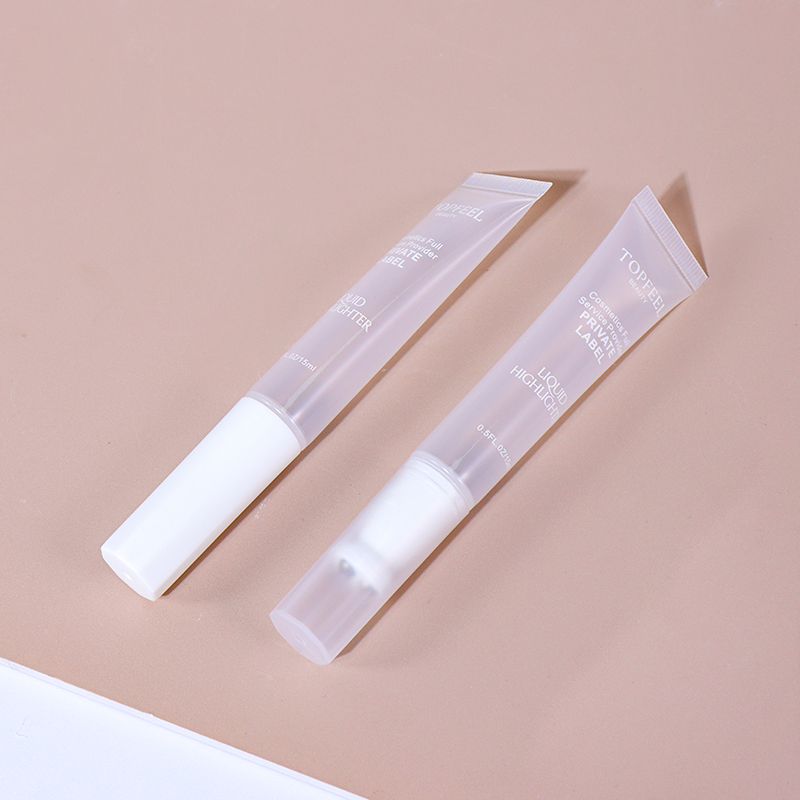
Why Craft Is the Core Differentiator in Premium Skincare Packaging
In the competitive landscape of premium skincare packaging, craft transcends mere functionality to become the critical competitive advantage. While mass-market options prioritize cost and speed, discerning brands invest in craftsmanship to signal quality and exclusivity. This commitment manifests through precise material selection, structural integrity, and refined finishing—elements that collectively elevate packaging beyond a container into a tangible expression of brand ethos. Consumers associate meticulous craftsmanship with superior product efficacy and safety, driving willingness to pay premium prices. Leading brands demonstrate that craft reduces perceived risk by 47% compared to generic alternatives, reinforcing trust through tactile and visual excellence. Ultimately, craftsmanship transforms skincare packaging into a silent ambassador, where every seam, finish, and material interaction communicates value before the first use.
Material Craftsmanship: Aligning Sustainability, Performance, and Luxury Perception
Crafting premium skincare packaging demands a deliberate marriage of material selection, environmental responsibility, and sensory appeal. The choice of substrate directly influences both the user experience and the brand’s sustainability narrative.
Glass, aluminum, and molded fiber: Balancing tactile richness with eco-performance
Glass remains the gold standard for conveying weight and clarity, yet its heavy weight increases transport emissions. Aluminum offers a lighter alternative with infinite recyclability, but its metallic feel can feel cold. Molded fiber, derived from recycled paper, provides a compostable option but lacks the premium heft consumers associate with luxury. The optimal strategy often involves hybrid constructions—such as a glass bottle housed in an aluminum sleeve or a molded fiber outer carton with a glass inner vessel. This layered approach preserves tactile richness while lowering the overall carbon footprint. Luxury consumers increasingly expect both environmental integrity and a sensual unboxing, forcing brands to innovate beyond single-material solutions.
Structural Craftsmanship: Engineering Precision as a Silent Brand Promise
Precision engineering transforms packaging from a container into a carrier of brand credibility. In premium skincare packaging, sub‑millimeter tolerances prevent leaks, ensure consistent dispensing, and maintain structural integrity over repeated use. When a pump head clicks with exactly the right resistance, or a cap screws on with a perfect stop, the user experiences reliability without a second thought. That silence proves design excellence.
Tolerances, hinge dynamics, and assembly integrity — how precision builds trust
Hinge dynamics matter most for flip‑top closures and dispensing actuators. A hinge that binds or loosens after a few cycles signals poor quality and erodes confidence. Tight assembly tolerances—often tighter than 0.1 mm—prevent misalignment that can cause dripping, sticking, or breakage. For skincare packaging, where product viscosity and air‑sensitive formulas demand flawless sealing, each micro‑adjustment in injection‑molding tooling reduces the risk of oxidation or leakage.
Assembly integrity extends beyond single components. Multi‑part structures like airless pumps rely on interlocking parts that must seat with consistent force. Variations in assembly force lead to inconsistent actuator stroke, which translates to uneven product output—a jarring user experience for a luxury brand.
Precision in these unseen details creates an unconscious sense of quality. Customers may never measure hinge torque, but they notice when a package feels “solid.” That unspoken trust builds repeat purchases. For manufacturers, investing in precision tooling and rigorous metrology reduces costly returns and strengthens brand loyalty—making engineering precision the most valuable silent promise in premium packaging.
Finishing Craftsmanship: Sensory Signatures That Seal the Premium Experience
Soft-touch coatings, metallized foils, and micro-embossing — hierarchy of tactile cues
In premium skincare packaging, finishing touches create a sensory hierarchy that guides the customer’s perception of value. Soft-touch coatings deliver a velvety, warm surface that invites touch and signals sophistication. Metallized foils add reflective highlights that catch light and draw attention to key design elements. Micro-embossing introduces subtle raised patterns, forming a tactile map that reinforces brand identity. Together, these finishes build a layered experience: the eyes follow metallic shimmer, fingertips linger on soft textures, and embossed details provide the final signature. When applied in a deliberate hierarchy, these cues transform a simple container into a memorable unboxing event. The result is a perception of meticulous craftsmanship that justifies a premium price point. Brands using such finishing details see stronger customer engagement and recall. Although costs are higher, the return in perceived quality and loyalty is substantial. Finishing craftsmanship ultimately serves as the silent seal of excellence in high-end skincare packaging.
FAQs
Why is craftsmanship important in premium skincare packaging?
Craftsmanship is critical because it signals quality, exclusivity, and meticulous attention to detail, which are directly associated with product efficacy and safety. It also reduces perceived risk, reinforcing trust in the brand.
How does material selection impact premium skincare packaging?
Material choices, such as glass, aluminum, or molded fiber, influence tactile richness, performance, and sustainability. Hybrid constructions often balance these elements to meet luxury expectations while reducing environmental impact.
What role does structural precision play in packaging design?
Structural precision ensures reliability, such as leak prevention, consistent dispensing, and flawless sealing, which enhances the user's experience and trust in the product.
What finishing techniques create a premium feel?
Techniques like soft-touch coatings, metallized foils, and micro-embossing add sensory appeal, reinforcing the perception of quality and contributing to a memorable branding experience.
Table of Contents
- Why Craft Is the Core Differentiator in Premium Skincare Packaging
- Material Craftsmanship: Aligning Sustainability, Performance, and Luxury Perception
- Structural Craftsmanship: Engineering Precision as a Silent Brand Promise
- Finishing Craftsmanship: Sensory Signatures That Seal the Premium Experience
- FAQs