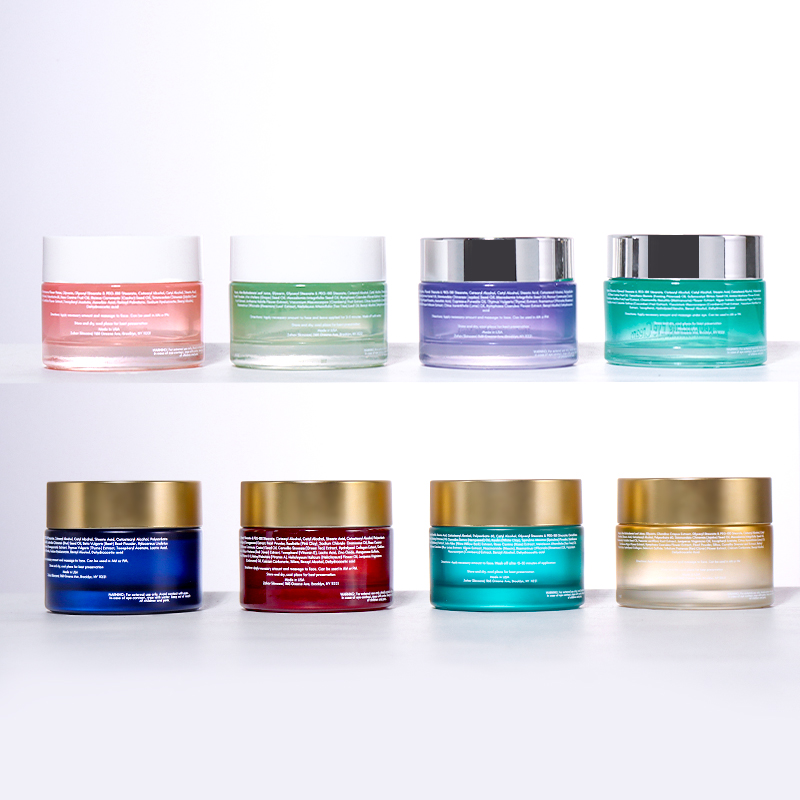
Simplifying Skincare Packaging Procurement Through Integrated One-Stop Service A skincare brand launching a product line needs bottles, jars, droppers, pumps, caps, boxes, inserts, and labels — often from four or more separate suppliers. Each...
VIEW MORE
Choosing Between Glass and Plastic for a Cosmetic Jar That Protects Both Formula and Brand A cosmetic jar performs two duties: it protects the formula inside from degradation and it communicates the brand's quality position to the customer at the p...
VIEW MORE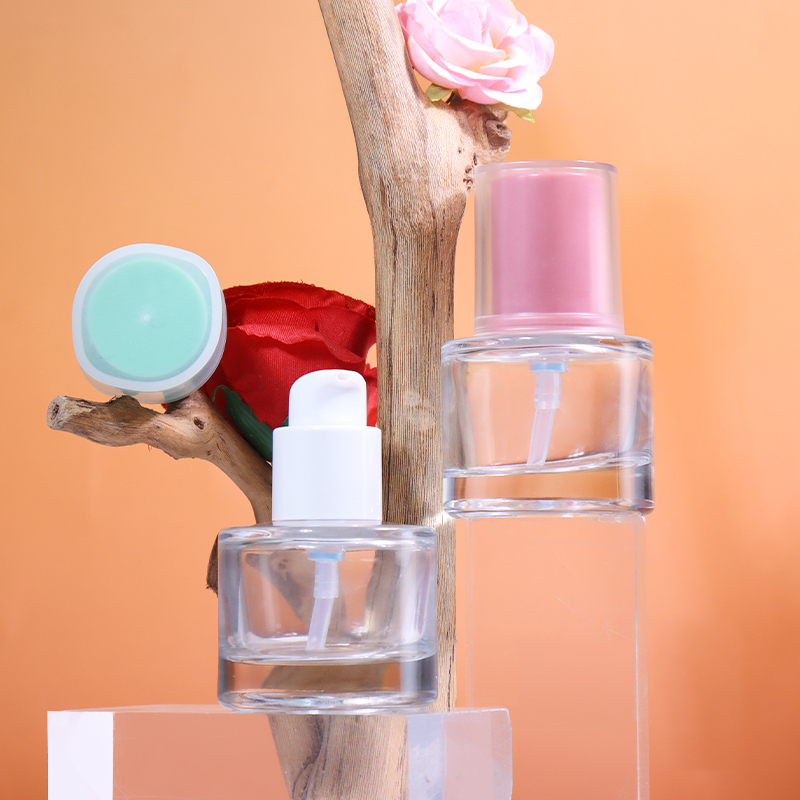
Designing a Custom Cosmetic Box That Transforms a Beauty Set Into a Brand Statement A cosmetic box is not just a shipping container for skincare products — it is the first physical impression of a beauty brand. For gift sets, subscription box...
VIEW MORE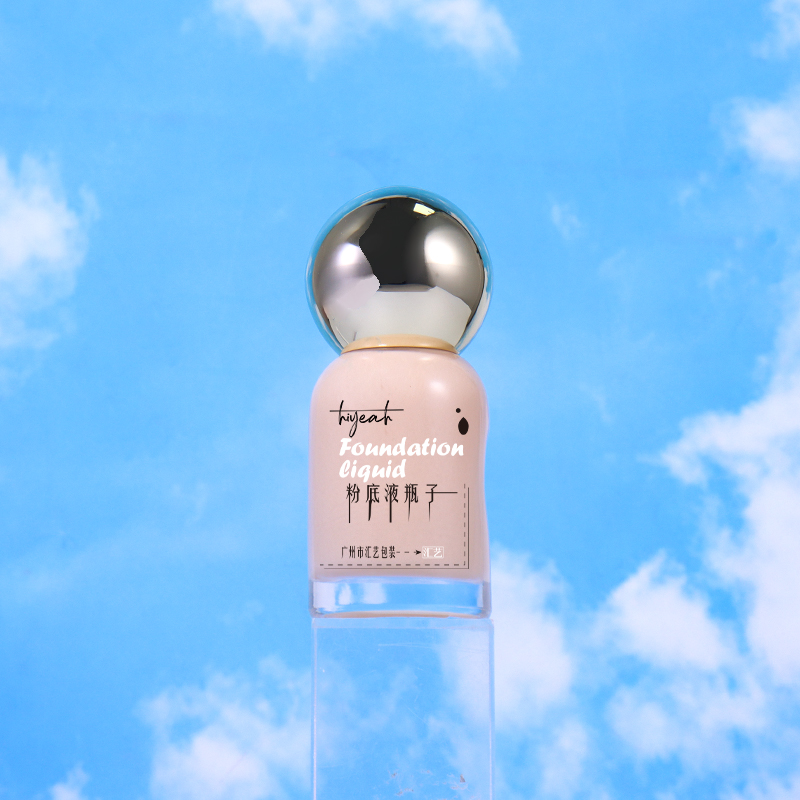
Pre-Order Cosmetic Bottle Quality Verification: A Systematic Inspection Protocol A cosmetic bottle that looks perfect in the supplier's photo gallery can arrive with thread mismatches, leaking seals, or surface defects that render entire production...
VIEW MORE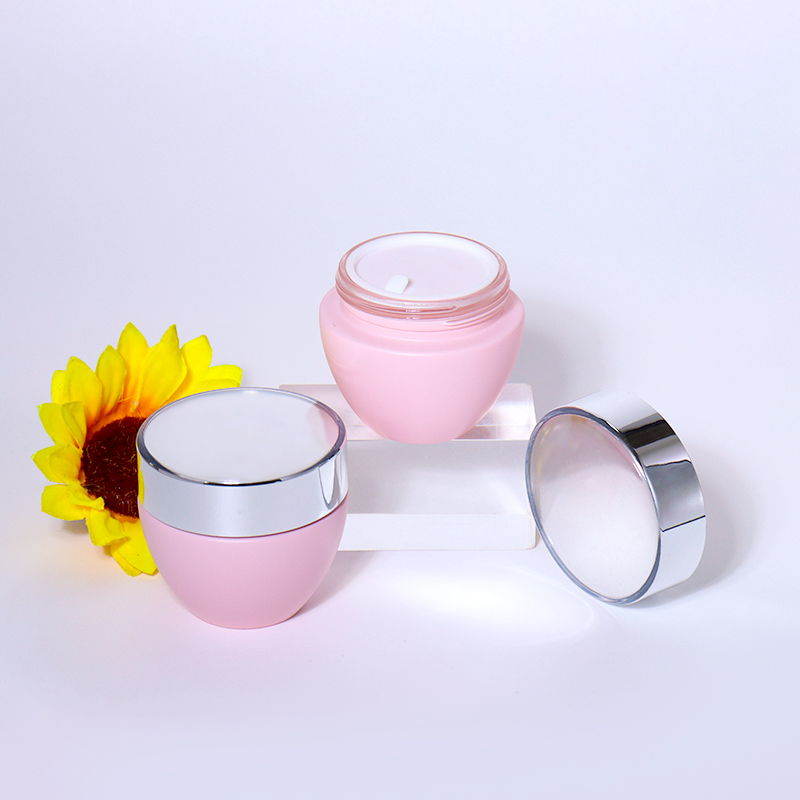
Why Crystal-Clear Glass Elevates Premium Skin Cream Packaging Beyond Alternative Materials A high transparent glass jar sitting on a department store shelf does more than hold cream — it signals the product's value before a single ingredient ...
VIEW MORE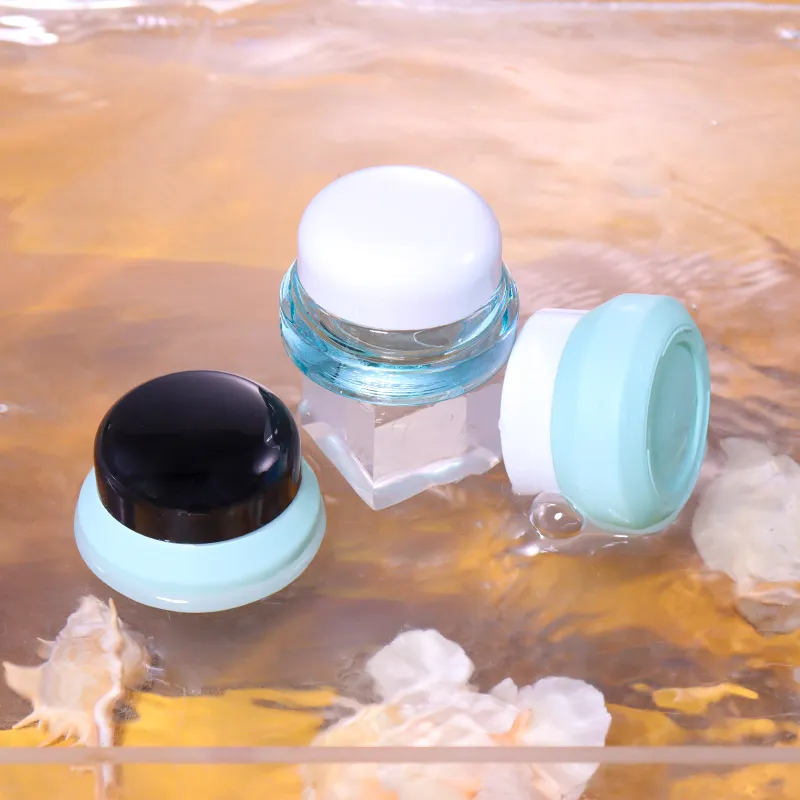
Why Skincare Packaging Demands a Different Quality Standard A poorly sealed moisturizer jar loses 3 percent of its contents to evaporation over 12 months on a retail shelf — invisible to the consumer but costly to brand margin and sustainabil...
VIEW MORE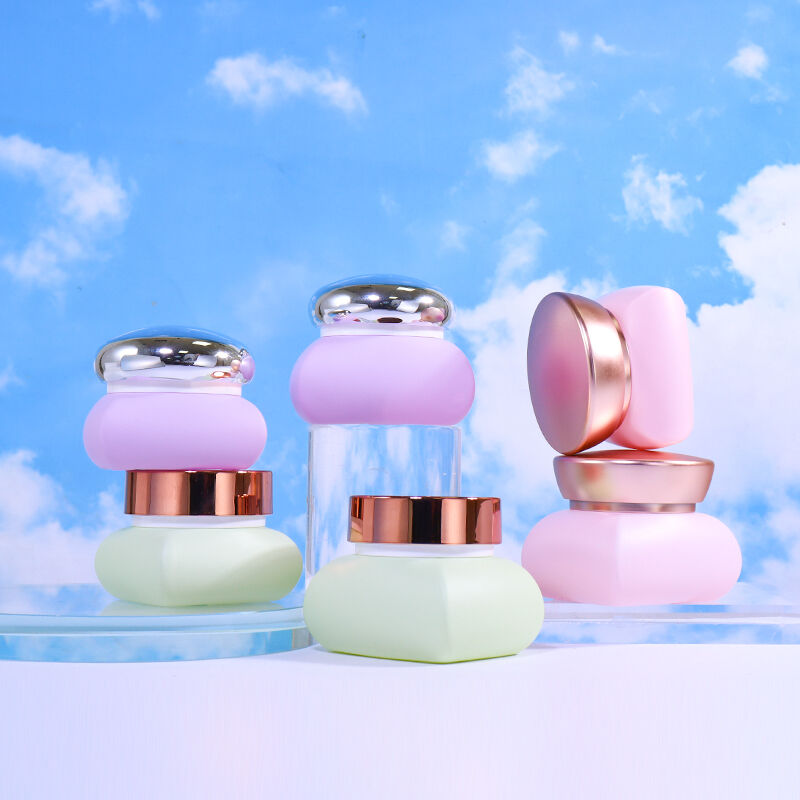
What Defines a Luxury Serum Bottle A serum bottle on a department store shelf competes for attention in under three seconds. The customer’s hand reaches for the bottle that feels heavy, cool, and precisely machined — not the o...
VIEW MORE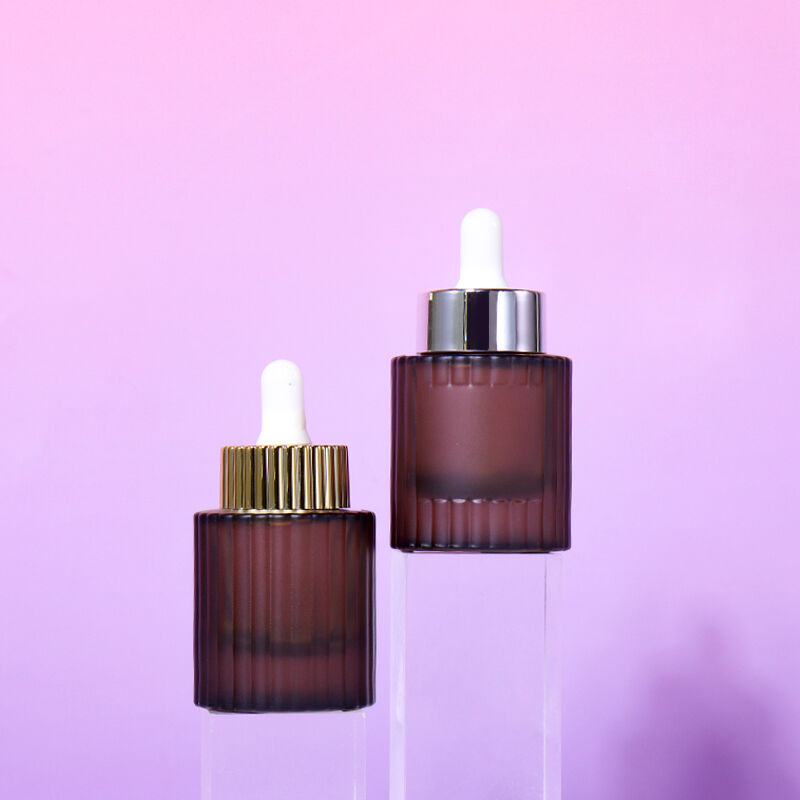
What Makes a Cosmetic Packaging Supplier Reliable A cream jar that looks premium on the shelf but leaches plasticizer into the formula after three months is a recall waiting to happen. Cosmetic packaging sits at the intersection of brand ...
VIEW MORE
Market Perception Hurdles and Material Vulnerabilities in Premium Skincare Packaging Balancing Brand Identity with Physical Product Protection in a Premium Cosmetic Jar Establishing a strong visual identity in competitive skincare sectors requires an...
VIEW MORE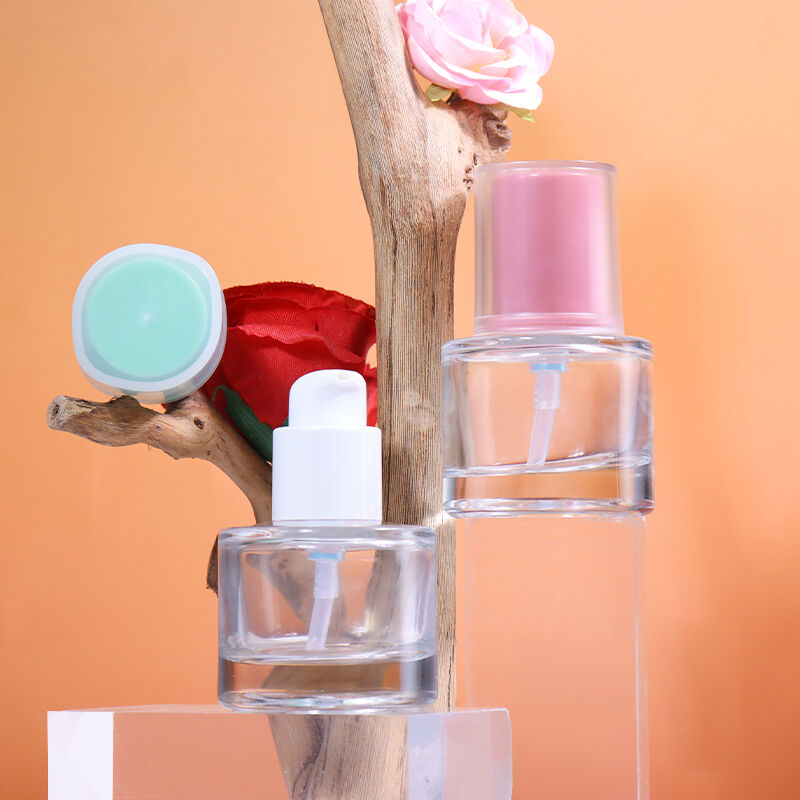
Navigating Brand Differentiation and Structural Vulnerabilities in Premium Packaging Visual Differentiation Obstacles and Market Saturation Realities for a Cosmetic Bottle Launching a luxury skincare line or expanding an established personal care p...
VIEW MORE
Why Craft Is the Core Differentiator in Premium Skincare Packaging In the competitive landscape of premium skincare packaging, craft transcends mere functionality to become the critical competitive advantage. While mass-market options prioritize co...
VIEW MORE
Preparing the Glass Jar Surface for Lasting AdhesionCleaning and Degreasing: Removing Oils and ResiduesA clean, grease-free surface is essential for durable paint or adhesive bonding on glass. Invisible oils from skin contact or manufacturing can cau...
VIEW MORE EN
EN