 EN
EN

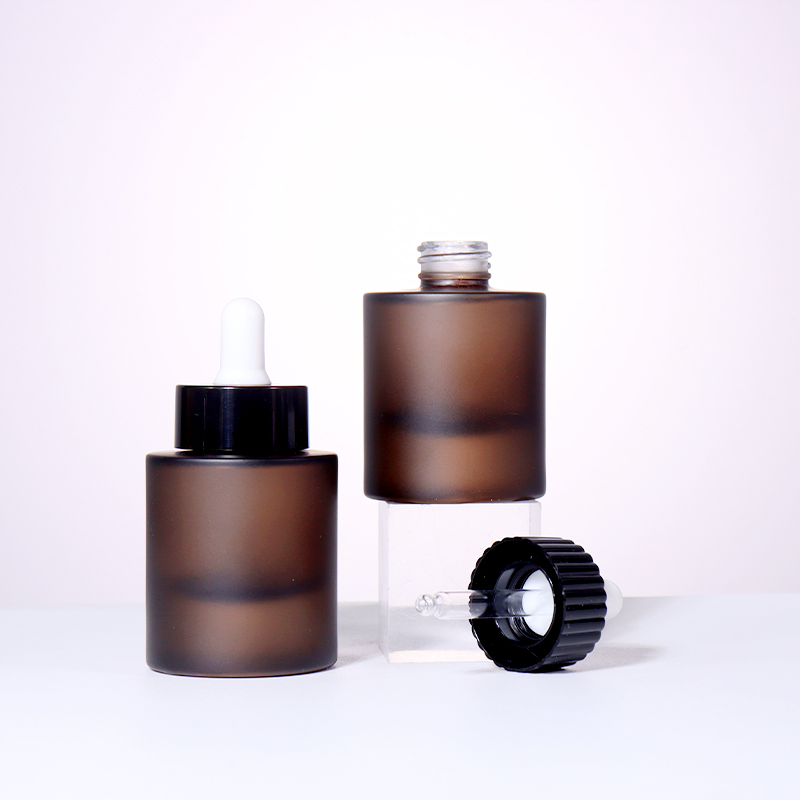
Choosing the Right Logo Application Method for Your Cosmetic Bottle
Selecting the optimal logo application method for your cosmetic bottle significantly influences brand perception, production efficiency, and cost. The choice depends on factors like bottle material, shape, volume, and desired aesthetic. Below, we compare the most common techniques—categorized as label-based or direct-bottle approaches—to help you make an informed, EEAT-aligned decision grounded in industry standards and real-world performance.
Label-Based Solutions: Shrink Sleeves, Pressure-Sensitive, and Clear Film Options
Label-based methods offer flexibility, high print fidelity, and rapid design iteration—ideal for brands launching seasonal collections or managing multiple SKUs. Shrink sleeves wrap tightly around the entire container, enabling full-coverage graphics and seamless adaptation to contoured shapes like hourglass or tapered bottles. Pressure-sensitive (PS) labels use advanced acrylic or rubber-based adhesives applied via automated equipment, supporting variable data printing and short-to-medium runs without retooling. Clear film labels—typically made from biaxially oriented polypropylene (BOPP)—deliver a “no-label” aesthetic on transparent PET or glass, preserving product visibility while maintaining scannability and regulatory compliance.
These solutions are cost-effective for volumes under 100,000 units annually. However, durability hinges on material selection: standard paper labels fail quickly when exposed to oils or humidity, whereas premium PS labels with UV-resistant inks and solvent-proof facestocks withstand cosmetic residues and bathroom environments. For long-term integrity, specify labels certified to ASTM D3330 (peel adhesion) and ISO 8510-2 (shear resistance), particularly for bottles that undergo frequent handling or secondary packaging.
Direct-Bottle Techniques: Foil Stamping, Embossing, and In-Mold Labeling
Direct application methods deliver permanent, premium finishes that elevate perceived value and eliminate post-molding labor. Foil stamping uses heat, pressure, and precision dies to transfer metallic or pigmented foil onto plastic or glass—producing sharp, reflective detail ideal for luxury positioning. Embossing creates raised, tactile logos directly in the mold or via post-molding tooling, reinforcing quality cues through touch—a proven driver of consumer trust per the Journal of Consumer Psychology. In-mold labeling (IML) inserts a pre-printed polypropylene or PET label into the injection mold before plastic is injected, fusing it permanently to the bottle wall. This method ensures perfect registration on complex geometries and eliminates alignment risk, making it the gold standard for high-volume production of premium skincare and haircare lines.
While IML requires significant upfront investment in molds and label inventory, its total cost of ownership drops below label-based alternatives at volumes exceeding 500,000 units/year. Foil stamping and embossing remain viable for smaller batches where visual impact outweighs unit economics. All three techniques meet FDA 21 CFR 175.105 (adhesive safety) and ISO 15378 (primary packaging quality) requirements when executed by certified converters.
Matching Logo Customization to Cosmetic Bottle Material and Shape
PET, HDPE, and Glass Bottles: Adhesion, Heat Resistance, and Surface Energy Considerations
Material dictates both feasibility and longevity of logo application. Glass bottles exhibit high surface energy (>70 dynes/cm), enabling strong, immediate adhesion for PS labels and clear films without pretreatment—and they tolerate sterilization cycles above 100°C, preserving ceramic decals or screen-printed inks. PET has moderate surface energy (~42 dynes/cm) and heat resistance up to 70°C, making it compatible with shrink sleeves, foil stamping, and UV-cured pad printing—but requires corona treatment for reliable PS label bonding. HDPE presents the greatest challenge: low surface energy (<32 dynes/cm), poor heat tolerance (distorts above 49°C), and susceptibility to stress cracking. It demands flame treatment and specialized adhesives or inks formulated for polyolefins, per ASTM D2578 guidelines.
Transparency also guides technique selection: clear PET and glass support 360° shrink sleeves or full-body IML, while opaque HDPE typically limits branding to front-panel PS labels or molded-in logos.
Contoured, Tapered, or Irregular Shapes: Ensuring Seamless Logo Coverage and Alignment
Complex geometries demand application methods engineered for conformity—not just compatibility. Pressure-sensitive labels with elastic facestocks (e.g., soft-touch BOPP or stretchable vinyl) conform reliably to curvature radii as tight as 5mm, maintaining edge seal and legibility across compound curves. For recessed panels, textured surfaces, or dual-diameter bottles, in-mold labeling remains unmatched: because the label is embedded during molding, it follows every contour without stretching, wrinkling, or misregistration.
When direct printing is preferred—such as pad printing on spherical serum droppers or cylindrical roll-ons—automated rotary fixtures achieve positional accuracy within ±0.2mm, eliminating ghosting. Crucially, prototyping must occur on actual production bottles, not generic test substrates. Validate performance using accelerated aging protocols: expose labeled samples to UV light (per ISO 4892-3), 95% RH humidity chambers, and thermal cycling (-20°C to 60°C) to simulate shelf life under real-world conditions. This step catches adhesion failure modes invisible in lab-only testing—especially at stress points like neck transitions or base seams.
Optimizing Efficiency: Balancing Cost, Lead Time, and Brand Impact for Cosmetic Bottle Logo Projects
Strategic logo application balances three pillars: operational efficiency, financial scalability, and sensory brand equity. Label-based methods—including shrink sleeves and PS labels—offer lead times under 2 weeks and minimal tooling investment, making them ideal for startups, limited editions, or brands iterating rapidly. Direct techniques require longer setup (4–12 weeks for IML tooling; 3–6 weeks for foil dies), but deliver lower per-unit costs beyond ~250,000 units and eliminate label waste, changeover downtime, and secondary-line bottlenecks.
Real production data shows that consolidating label formats across SKUs—e.g., standardizing sleeve height or PS label dimensions—reduces changeover time by up to 37% and cuts annual material waste by 12%, according to a 2023 PMMI Packaging Machinery Report. Likewise, switching from paper to synthetic PS labels reduces field failures by 64% in humid climates, per a 5-year audit of 17 cosmetic brands conducted by the Sustainable Packaging Coalition.
The optimal path isn’t “cheapest” or “prettiest”—it’s the method that aligns technical capability with your brand’s growth stage, distribution model, and durability expectations. A prestige serum line benefits from IML’s permanence and shelf presence; a fast-moving body mist may prioritize speed and flexibility with digital-printed shrink sleeves.
Ensuring Long-Term Logo Integrity on Cosmetic Bottles in Real-World Conditions
Resisting Moisture, Oils, and Temperature Fluctuations During Storage and Use
A cosmetic bottle logo must survive more than shelf lighting—it must endure repeated contact with emollients, alcohol-based toners, steamy bathrooms, cold warehouse storage, and summer shipping containers. Standard paper labels delaminate within 4–6 weeks in high-humidity environments; untreated PS labels lose adhesion after exposure to squalane or silicone oils. Thermal cycling causes ink cracking and adhesive creep, especially at label edges on curved surfaces.
Proven mitigation starts with substrate-specific engineering:
- For plastic bottles, use UV-cured inks (ASTM D3359-compliant) or polyolefin-compatible foil laminates. Specify PS adhesives rated for >100 hours at 40°C/90% RH (per FINAT FTM 2).
- For glass, ceramic decals fired at 600°C create a fused, abrasion-proof surface meeting ISO 105-A02 wash-fastness standards.
- For HDPE, apply corona treatment to ≥38 dynes/cm before labeling—and validate with dyne pens per ASTM D2578.
Testing must mirror real use: expose labeled bottles to 72-hour immersion in 70% isopropyl alcohol, 14-day cycling between -20°C and 60°C, and 1,000-cycle abrasion tests (ASTM D5264). Silicone-based formulas require primers formulated for siloxane resistance—validated by peel testing after 30 days of contact with dimethicone emulsions.
Ultimately, logo integrity isn’t a finishing step—it’s a functional requirement. Brands that treat it as such reduce customer complaints by up to 58%, increase repeat purchase likelihood by 31% (2024 McKinsey Beauty Consumer Survey), and strengthen regulatory confidence through documented, repeatable validation.
FAQ
What factors should I consider when choosing a logo application method for cosmetic bottles?
Key factors include bottle material, shape, volume, production scale, and desired branding aesthetics. Additionally, consider the durability of the method against oils, moisture, and temperature changes.
What are the main advantages of label-based methods?
Label-based methods like shrink sleeves and pressure-sensitive labels provide flexibility, rapid design changes, and cost-efficient solutions for smaller production volumes or seasonal product lines.
How does in-mold labeling (IML) compare to other direct-bottle techniques?
IML offers a superior, permanent finish with perfect registration, making it ideal for high-volume premium product lines. Though it requires upfront investment, the method reduces long-term production costs and waste.
What testing should I perform to ensure long-term logo durability?
Conduct tests simulating real-world conditions, such as UV exposure, humidity, thermal cycling, and abrasion. For certain materials, additional tests like alcohol immersion or silicone resistance may be necessary.
Are certain materials more challenging for logo application?
Yes, materials like HDPE have low surface energy, making adhesion difficult without pretreatment. Each material—glass, PET, HDPE—has distinct requirements for adhesion and durability that must be addressed.
Table of Contents
- Choosing the Right Logo Application Method for Your Cosmetic Bottle
- Matching Logo Customization to Cosmetic Bottle Material and Shape
- Optimizing Efficiency: Balancing Cost, Lead Time, and Brand Impact for Cosmetic Bottle Logo Projects
- Ensuring Long-Term Logo Integrity on Cosmetic Bottles in Real-World Conditions
-
FAQ
- What factors should I consider when choosing a logo application method for cosmetic bottles?
- What are the main advantages of label-based methods?
- How does in-mold labeling (IML) compare to other direct-bottle techniques?
- What testing should I perform to ensure long-term logo durability?
- Are certain materials more challenging for logo application?