 EN
EN

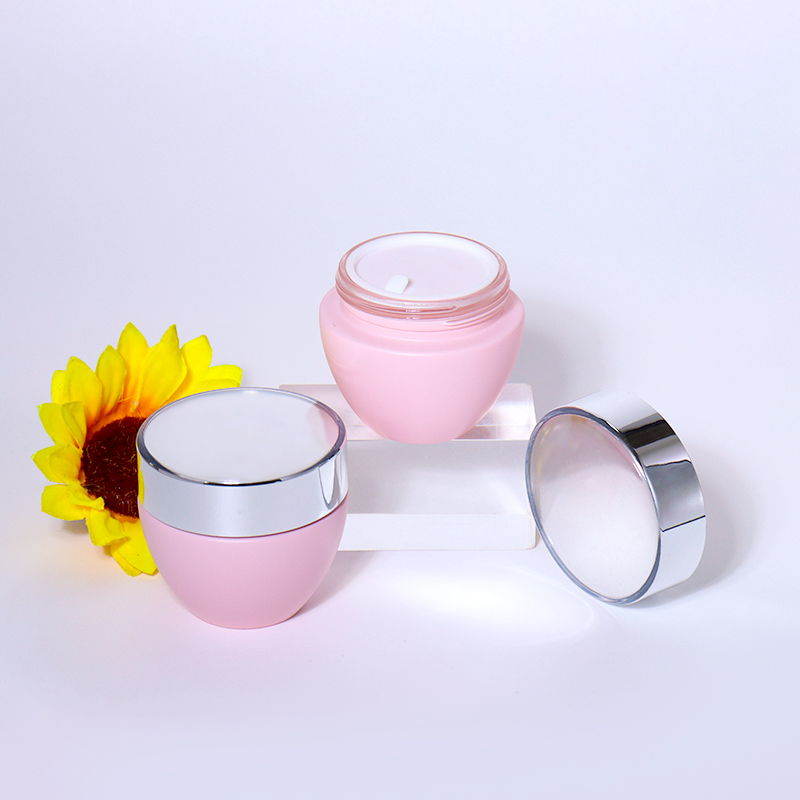
Why Crystal-Clear Glass Elevates Premium Skin Cream Packaging Beyond Alternative Materials
A high transparent glass jar sitting on a department store shelf does more than hold cream — it signals the product's value before a single ingredient claim is read. The light passing through flawless borosilicate or soda-lime glass creates a visual purity that no plastic, ceramic, or coated container can replicate. For luxury skincare brands where the unboxing experience directly influences repurchase intent, the jar material is a strategic choice, not an afterthought.
The Material Properties That Make Glass the Premium Standard
Optical Clarity and the Psychology of Perceived Quality
High-transparency glass achieves light transmission rates above 90% in the visible spectrum. This optical performance means the cream inside appears exactly as formulated — the pearl-white emulsion of a vitamin C moisturizer, the pale amber tint of a retinol night cream, the rich ivory of a shea butter balm. There is no color shift from container tinting, no hazy diffusion from textured walls that obscure product appearance.
Consumer psychology research consistently demonstrates that packaging transparency correlates with perceived product purity. A 2022 packaging perception study published in the Journal of Consumer Marketing found that transparent packaging increased perceived product freshness ratings by 23% compared to opaque containers holding identical contents. The high transparent glass jar leverages this effect directly — the customer sees the cream, judges its texture visually, and forms a positive quality expectation before opening the lid.
Chemical Inertness and Formula Protection
Glass is fundamentally different from every polymer container material in one critical respect: it does not interact with its contents. Borosilicate glass (Type I), the highest grade used in pharmaceutical packaging, presents a surface that is essentially non-reactive with aqueous, alcoholic, and oil-based formulations across a pH range of 2–9. The silica-boron-sodium network contains no plasticizers to migrate into the cream, no residual monomers to react with active ingredients, and no porosity to allow oxygen permeation.
This matters for modern skincare formulations containing oxidation-sensitive actives. Vitamin C (ascorbic acid), retinol, peptides, and plant-derived antioxidants all degrade faster when exposed to oxygen or when catalyzed by metal ions leaching from container materials. A high transparent glass jar eliminates both contamination pathways. An independent stability study tracking retinol concentration in glass versus polypropylene containers over 90 days at 40°C found 94% retention in glass versus 72% in polypropylene — a difference that directly affects product efficacy at the end of the shelf life claimed on the label.
Customization Capabilities on Premium Glass Surfaces
A high transparent glass jar serves as a substrate for surface decoration that reinforces brand identity. Frosted finishes created by sandblasting or acid-etching produce a satin-matte texture on selected areas while leaving the main body transparent — a dual-finish effect impossible on injection-molded plastic. Hot-stamped metallic foils (gold, silver, rose gold) applied to the jar shoulder or base provide the weighty, reflective accents associated with luxury cosmetic packaging.
Silk-screen printing in single or multiple colors applies brand logos, product names, and ingredient highlights directly onto the glass surface. High-temperature ceramic ink silk-screening, available through manufacturers like Hiyeah Packaging, fuses the ink into the glass surface at temperatures above 600°C, creating a permanent bond that survives alcohol wiping, refrigerator storage, and repeated handling without fading or peeling.
A Skincare Brand's Packaging Upgrade Decision
A Korean-inspired skincare brand launching a premium bakuchiol night cream in the European market evaluated three container options: a high transparent glass jar, a heavyweight acrylic jar, and a double-wall PETG plastic jar. The brand's positioning demanded packaging that communicated "clean beauty" — a segment where container material drives purchase decisions almost as strongly as ingredient lists.
The glass jar from Hiyeah Packaging provided the optical clarity and cold-to-the-touch sensation that acrylic and PETG alternatives could not match. The brand added a bamboo-look cap (a PP inner with a bamboo veneer outer) to reinforce the natural-ingredient positioning. Post-launch consumer surveys showed 67% of first-time purchasers cited "packaging quality" as a reason for trying the product, and the jar's refillable design — enabled by the glass body's durability — became a social media differentiator that generated organic brand content across Instagram and TikTok.
Frequently Asked Questions
What glass type is best for a high transparent cosmetic jar?
Borosilicate glass provides the highest chemical resistance and thermal stability, suitable for formulations containing active ingredients at extreme pH levels. Soda-lime glass offers adequate performance for most standard skincare formulations at a lower cost. Hiyeah Packaging supplies both grades depending on formulation requirements.
Can glass jars be customized with colored glass?
Yes. Glass tinting during the melting process produces uniform color throughout the jar wall — amber for UV-sensitive products, cobalt blue for nighttime skincare lines, and emerald green for botanical formulations. Surface spraying and electroplating add metallic and gradient color effects without changing the base glass color.
Does a glass jar weigh significantly more than a plastic jar?
A 50 mL glass cream jar weighs approximately 120–180 grams versus 30–50 grams for an equivalent plastic jar. The weight difference is a feature, not a drawback — the heavier feel reinforces premium positioning and prevents accidental tipping on bathroom counters.
Can a transparent glass jar protect against UV light?
Standard clear glass transmits UV radiation. For light-sensitive formulations, amber or cobalt-tinted glass is specified. Alternatively, UV-blocking coatings can be applied to clear glass during post-production treatment without sacrificing visibility.
What sealing mechanism prevents cream leakage from glass jars?
A PP or PE inner liner disc compressed between the jar neck and cap creates an airtight seal. For premium products, a secondary aluminum foil induction seal provides tamper evidence and additional moisture barrier. The thread design on the glass neck must match the cap thread precisely to maintain consistent compression.
How to verify glass jar wall thickness consistency?
Cross-section measurement at the neck, shoulder, body, and base using a digital thickness gauge with 0.01 mm resolution. Wall thickness variation should not exceed ±0.3 mm across measurement points. Thinner walls in the base or shoulder create stress concentration points that cause breakage during capping or shipping.