 EN
EN

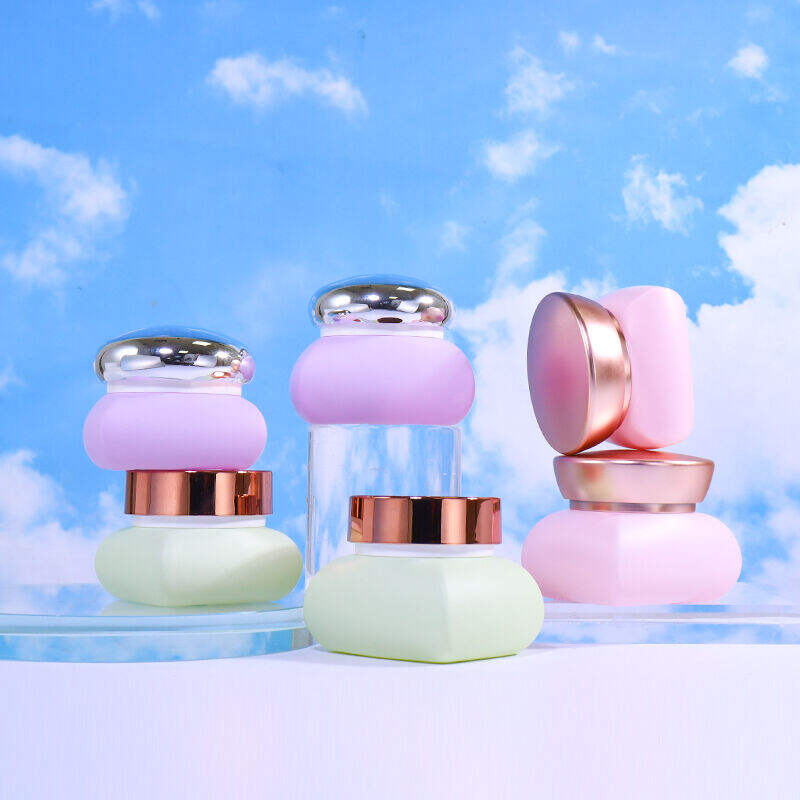
Market Perception Hurdles and Material Vulnerabilities in Premium Skincare Packaging
Balancing Brand Identity with Physical Product Protection in a Premium Cosmetic Jar
Establishing a strong visual identity in competitive skincare sectors requires an absolute commitment to tactical material choices and shelf aesthetics. When product developers, brand managers, or procurement directors create formulas for anti-aging creams, vitamin-rich serums, or intensive masks, selecting the right primary container directly impacts how consumers perceive product value. Utilizing an expertly engineered frosted cosmetic jar transforms an ordinary lotion container into a sophisticated, premium presentation that commands higher retail positioning. Relying on standard clear plastic alternatives instead of chemically etched glass structures introduces major operational and brand liabilities, including rapid surface scratching during transit, a cheapened consumer perception of active ingredient efficacy, and inadequate light-blocking capabilities that can cause delicate botanical emulsifications to separate prematurely.
Analyzing Operational Risks: Chemical Interaction, Light Degradation, and Micro-Fissures
A primary physical hazard in bulk beauty product logistics involves managing interaction between active ingredients and container walls during extended distribution lifecycles. When premium skincare products containing essential oils, acidic active matrices, or organic lipids are housed in low-grade transparent acrylics, the polymer walls frequently experience chemical stress cracking, leaving small micro-fissures that compromise airtight seals. These hidden structural failures allow oxygen to leak in, accelerating the oxidation of active ingredients like Vitamin C or retinoids, which turns premium creams yellow and renders them useless. Furthermore, exposure to ambient ultraviolet light in retail environments breaks down sensitive ingredient bonds, which causes formulas to separate, shifts fragrance profiles, and creates serious customer dissatisfaction issues that can trigger damaging batch recalls.
Organic Retinol Formulator: Shifting from Clear Plastic to High-End Frosted Glass Assemblies
Practical experience within global clean beauty manufacturing demonstrates the clear operational and financial benefits of moving away from clear plastic packaging to high-density frosted glass systems. A prominent clean-label skincare developer specializing in sensitive retinal compounds audited its assembly operations after noting a steep rise in product discoloration complaints and declining re-order rates over two fiscal quarters. The facility previously utilized basic transparent plastic bottles where high UV exposure combined with oxygen migration through the container walls caused active ingredients to degrade by thirty percent before reaching end consumers. The engineering and quality control team resolved this recurring packaging bottleneck by swapping the old containers for specialized, heavy-base frosted glass container sets paired with custom internal liners and tight-fitting phenolic caps. Within six months of rolling out the new frosted design, the brand eliminated ingredient oxidation entirely, extended product shelf stability from eight months to two full years, and achieved a major boost in social media user engagement and premium retail orders.
Chemical Physics, Glass Surface Topography, and Barrier Engineering Mechanics
The Science of Hydrofluoric Acid Etching vs. Physical Sandblasting Topography
Achieving a uniform translucent finish and a tactile satin texture requires deep technical expertise in chemical surface modification and physical abrasive dynamics. High-end glass containers achieve their premium frosted finish through a precise chemical immersion process using dilute acid solutions, which selectively removes microscopic amounts of silica from the outer glass layer. This precise etching technique creates a micro-textured surface that scatters incoming light in multiple directions, producing an elegant matte visual effect without altering the internal dimensions or structural strength of the container. Compared to physical sandblasting—which can leave behind micro-fractures and rough edges that weaken the glass—chemical etching ensures a smooth, durable finish that resists fingerprint oils and handles high-speed automated filling lines without scratching.
Photolytic Protection Matrix: Managing UV Transmittance and Oxidation Inhibitors
To preserve active ingredient efficacy over months of retail display storage, primary glass structures must function as a reliable physical light barrier. Frosted surface treatments alter how light enters the container, scattering short-wavelength ultraviolet rays (UV-B and UV-A) along the outer finish before they can penetrate into the sensitive formulation. This scattering effect significantly lowers total light transmittance compared to standard clear glass, acting as a built-in stabilizer for sensitive compounds like hydroquinone, kojic acid, and delicate polypeptide chains. Thick-walled container designs also provide excellent thermal insulation, protecting interior creams from sudden temperature spikes during global air and sea shipping transit loops.
International Safety Mandates and Global Quality Testing Frameworks
Sourcing glass packaging and heavy-base container styles for international beauty brands requires full compliance with global safety rules, non-toxic material mandates, and mechanical testing protocols. Purchasing groups looking at a major packaging rollout must ensure that all glass containers match international regulatory benchmarks, including ISO 7459 thermal shock resistance standards, ISO 8113 mechanical impact testing rules, and relevant US FDA and European Pharmacopoeia guidelines for heavy metal migration and chemical neutrality. These strict international frameworks establish explicit rules for glass composition, vertical load strength, and internal hydrolytic resistance. Adhering to these comprehensive testing rules ensures that custom container lines can handle hot-filling processes safely, passing regulatory reviews and international import inspections without delay.
Industrial Sourcing Protocols and Lifecycle Quality Management Checklists
Sourcing Benchmarks for Enterprise Product Managers and Brand Directors
Selecting a dependable manufacturing partner requires a detailed evaluation of glass clarity, etching uniformity, and thread precision rather than looking at basic low-tier consumer novelty suppliers. Sourcing managers buying long-term packaging components must ensure that a producer utilizes high-purity cosmetic-grade soda-lime or borosilicate glass that is completely free of air bubbles, stone inclusions, or structural wall distortions. Choosing hardware configurations that feature standardized GPI or DIN thread profiles ensures complete compatibility with premium dispensing pumps, dropper assemblies, or airtight liner caps. Procurement teams should also check accessory build tolerances, prioritizing heavy-duty internal liners that prevent product migration into cap threads, ensuring a clean and premium user experience with every application.
Pre-Fill Sanitation Routines, Torque Verification, and Storage Guidelines
The ongoing performance precision and structural longevity of premium cosmetic jar selections rely on structured preventive maintenance schedules and strict clean-room sanitation routines. Over extended storage intervals in distribution warehouses, fine cardboard dust or environmental humidity can settle inside open container threads, while incorrect automated capping pressures can split delicate liners if left unmonitored. Plant maintenance directors must establish daily sanitization cycles to blow out interior chambers using ionized air or filtered water washes before filling begins. Standardizing on regular validation procedures—such as checking cap torque values with digital torque meters, conducting regular vacuum leak testing, and storing empty components in climate-controlled, dust-free areas—prevents product leakage, extends formula shelf-life, and ensures every container delivers optimal customer protection.
Choosing a Reliable Storage Solution Partner
Building a highly resilient and visually striking skincare line across international luxury markets requires a dependable manufacturing partner capable of delivering consistent material quality and steady global supply chain support. Sourcing heavy-duty frosted cosmetic jar configurations from producers with deep engineering expertise and advanced fabrication facilities ensures that every deployed asset performs reliably under heavy shift filling and strict environmental routines. This is where aligning with an established global manufacturer like HIYEAH provides exceptional long-term value. With sophisticated production infrastructure and a strong focus on precise quality management, HIYEAH consistently provides premium cosmetic-grade packaging selections designed to meet rigid international safety and commercial performance standards. Partnering with a globally integrated manufacturer gives skincare enterprises reliable access to a robust equipment catalog, deep customization expertise, and consistent construction quality that keeps product line expansions moving smoothly year after year.
Frequently Asked Questions
Why does a frosted cosmetic jar offer better formula protection than standard clear containers?
The frosted surface pattern scatters incoming ambient light rays, reducing total ultraviolet light exposure inside the container. This built-in light barrier helps prevent the breakdown of sensitive active ingredients like retinol and Vitamin C, keeping premium formulas stable and effective for longer periods on retail shelves.
What chemical processes create the high-end matte finish on premium glass skincare containers?
High-end glass containers are treated using a precise acid etching process that creates a micro-textured outer surface at the molecular level. This technique delivers a uniform satin finish that naturally resists fingerprint oils, presents a premium texture, and avoids the micro-fissures caused by physical sandblasting methods.
Which international standards govern the structural safety of cosmetic glass packaging?
Premium cosmetic containers must comply with ISO 7459 thermal shock standards, ISO 8113 mechanical impact resistance protocols, and European Pharmacopoeia non-toxic material regulations. Meeting these international guidelines ensures that containers can handle high-speed automated filling lines safely and maintain complete chemical neutrality.
How do thick-walled glass structures protect delicate face creams during international transit?
Thick glass walls act as a natural thermal barrier, protecting interior emulsions from rapid temperature spikes during sea and air shipping loops. This structural insulation helps stop premium oils and water-based active matrices from separating when exposed to varying warehouse temperatures.
Can custom frosted glass containers be safely recycled without damaging regional eco-programs?
Yes, chemically etched soda-lime glass remains fully recyclable within standard regional municipal glass sorting networks. The acid etching process does not introduce foreign plastic films or hazardous heavy metal laminates, allowing the cullet to be melted down and re-used cleanly in eco-friendly manufacturing loops.
What torque specifications prevent product leakage without stripping the liner caps?
Correct application torque depends on the thread finish diameter, typically ranging between 1.2 to 2.5 Newton-meters for standard cosmetic closures. Utilizing digital torque verifiers on the automated capping line prevents loose closures that cause leakage while protecting inner foam liners from over-compression damage.
How do internal liners improve the airtight seal of a premium glass container?
Internal liners made from expanded polyethylene (EPE) or specialized induction foils compress tightly against the polished glass rim when the cap is closed. This flush seal creates a reliable physical barrier against oxygen migration, locking in moisture and protecting active ingredients from oxidation.
What storage protocols stop dust contamination before containers reach the filling line?
Unfilled glass containers must be stored in their original sealed shrink-wrapped pallets within climate-controlled, dust-free warehouses. Keeping the protective outer wrap intact until immediately before the ionized air cleaning stage prevents cardboard fibers and ambient humidity from settling inside the container necks.
Table of Contents
- Market Perception Hurdles and Material Vulnerabilities in Premium Skincare Packaging
- Chemical Physics, Glass Surface Topography, and Barrier Engineering Mechanics
- Industrial Sourcing Protocols and Lifecycle Quality Management Checklists
- Choosing a Reliable Storage Solution Partner
-
Frequently Asked Questions
- Why does a frosted cosmetic jar offer better formula protection than standard clear containers?
- What chemical processes create the high-end matte finish on premium glass skincare containers?
- Which international standards govern the structural safety of cosmetic glass packaging?
- How do thick-walled glass structures protect delicate face creams during international transit?
- Can custom frosted glass containers be safely recycled without damaging regional eco-programs?
- What torque specifications prevent product leakage without stripping the liner caps?
- How do internal liners improve the airtight seal of a premium glass container?
- What storage protocols stop dust contamination before containers reach the filling line?