Chemical Compatibility: Why Glass Spray Bottles Are Essential for Toner StabilitypH and Active Ingredient Integrity: Glass vs. Plastic Leaching RisksToner formulations require precise pH control—typically 3.5–5.5—to preserve active ingredient efficac...
VIEW MORE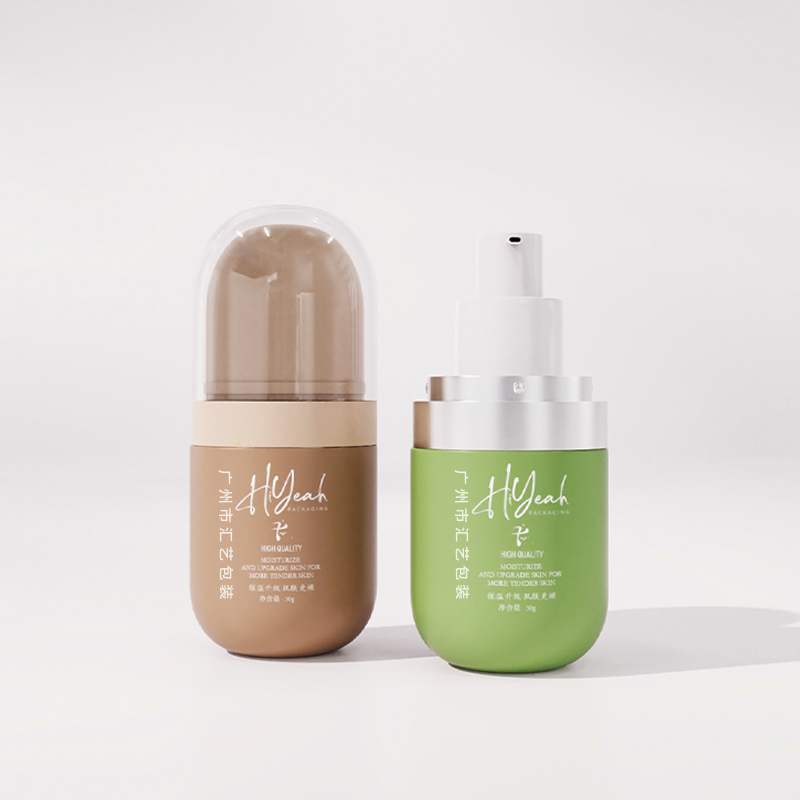
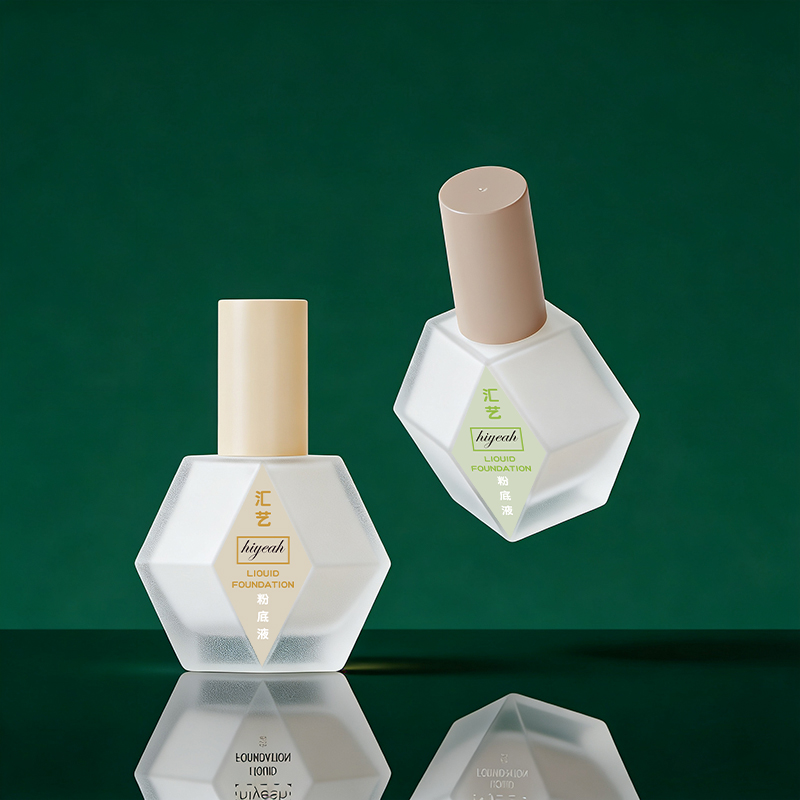
Standard Sampling Policies at a Glass Bottle FactoryWhen and Why Free Samples Are Typically OfferedGlass bottle factories offer free samples primarily during initial business engagements to demonstrate product quality, material integrity, and functio...
VIEW MORE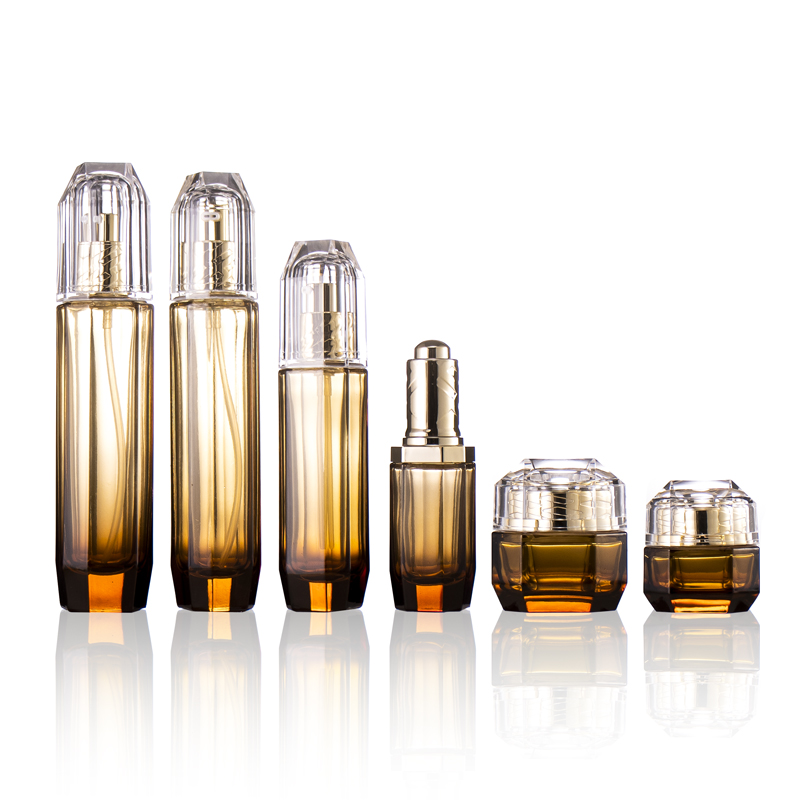
Understanding Full-Chain Cosmetic Packaging: From Fragmentation to IntegrationThe Problem: Siloed Procurement and Operational Gaps in Traditional Cosmetic PackagingTraditional cosmetic packaging procurement operates in disconnected silos—design studi...
VIEW MORE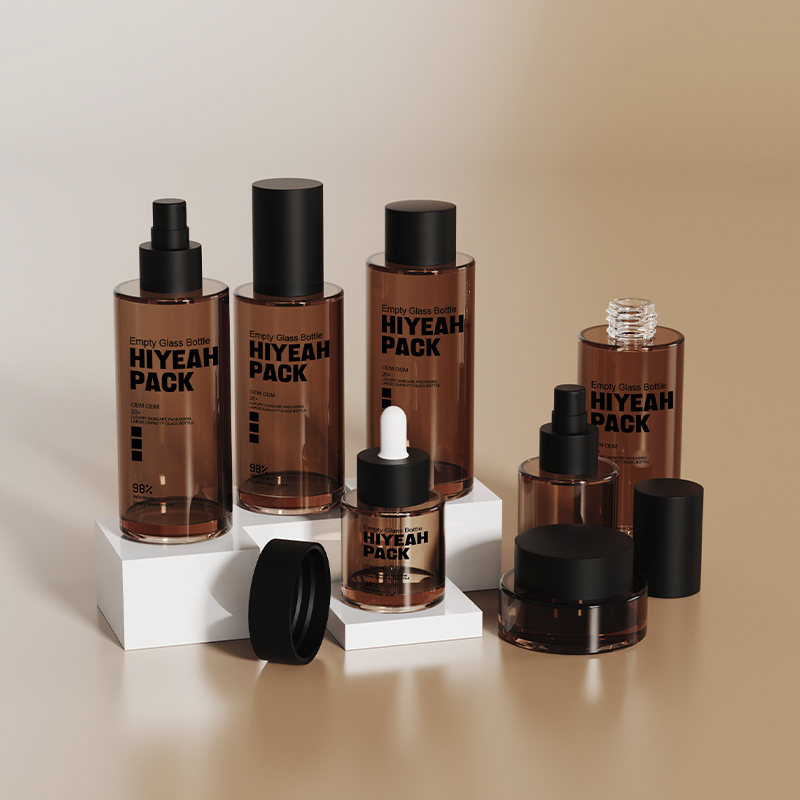
Airless Cosmetic Jars: Maximizing Stability and Efficacy for Creams and Masks How Airless Pump Systems Prevent Oxidation and Preserve Active Ingredients Airless pump systems create a vacuum-sealed environment that physically blocks oxygen exposure—th...
VIEW MORE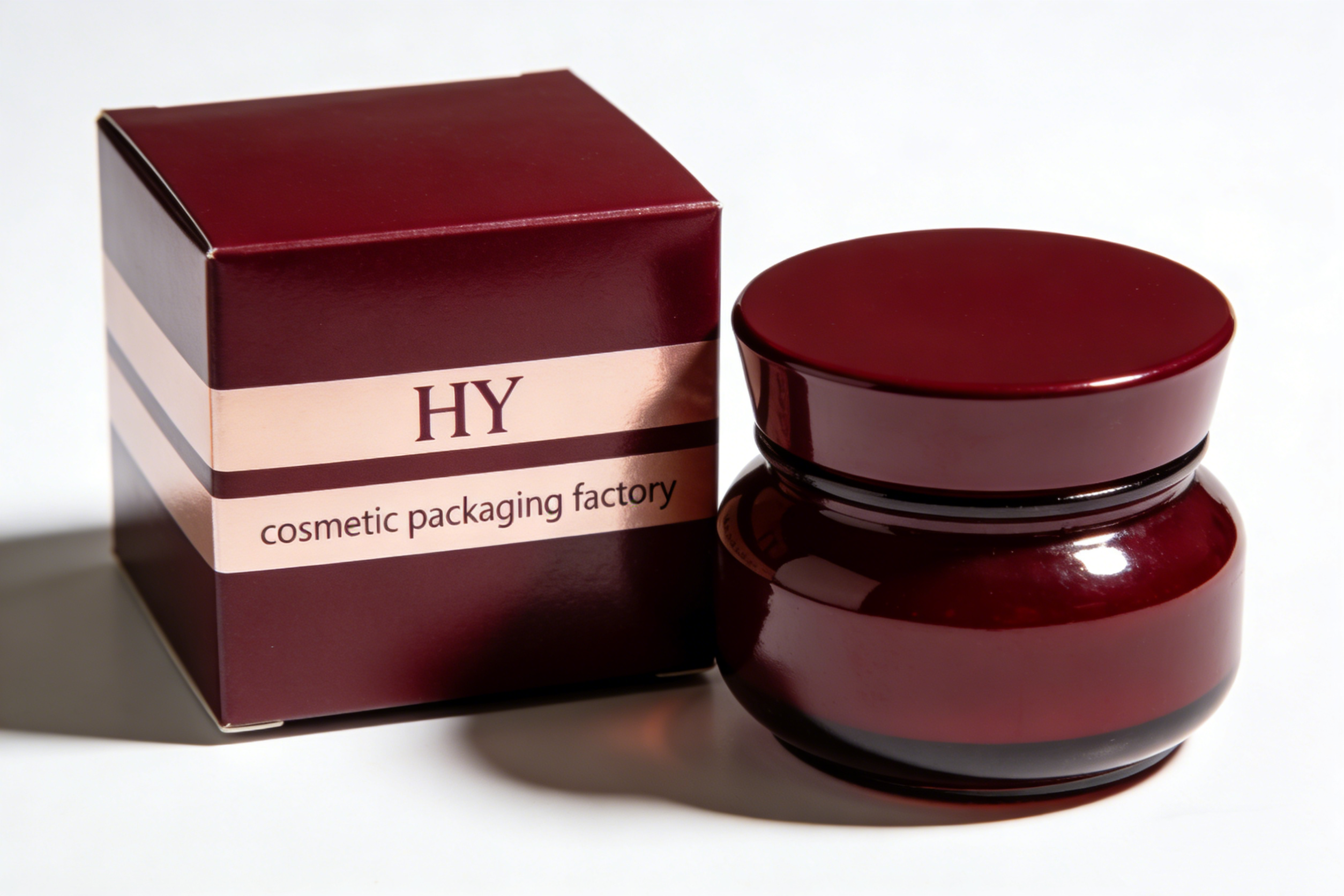
Why Digital Printing Is the Fastest Path to Custom Cosmetic BoxesHow Digital Eliminates Plates and Dies—Slashing Setup Time by 65–80%Traditional printing requires physical plates and dies for each cosmetic box design—a process that takes 3–7 days bef...
VIEW MORE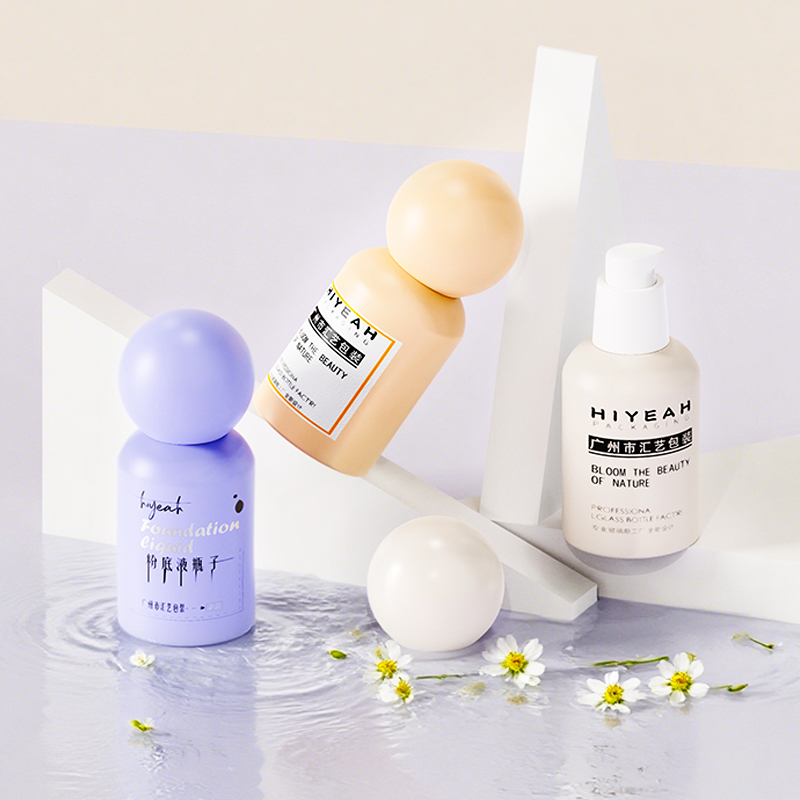
Material Selection and Performance: Balancing Luxury, Function, and Cost in Cosmetic Bottles PET vs. Glass vs. Aluminum: Trade-offs for Brand Positioning and Formula Compatibility Material selection shapes both a cosmetic bottle’s market positioning ...
VIEW MORE EN