 EN
EN

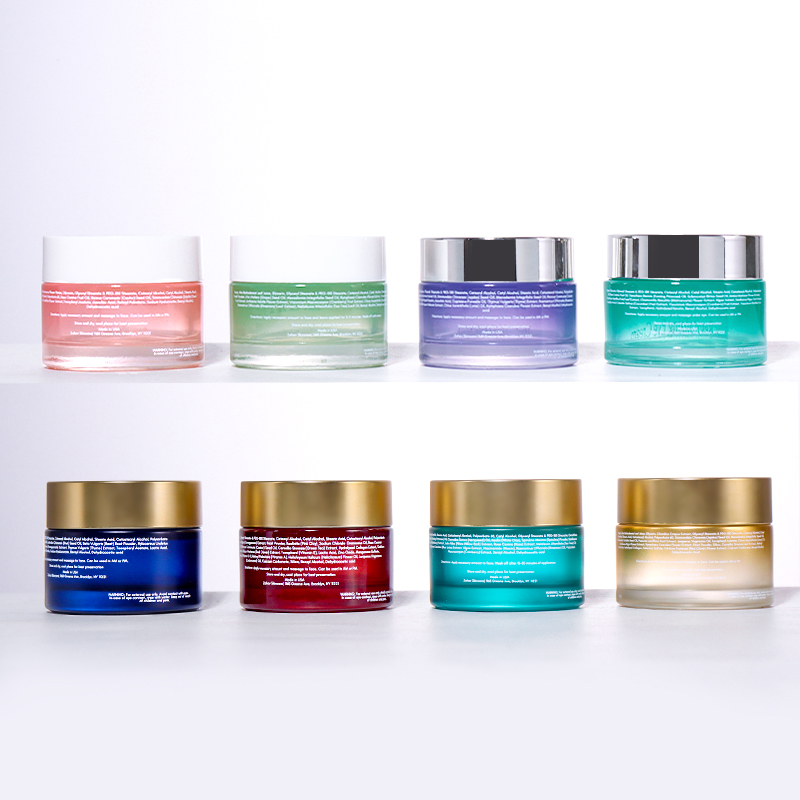
Preparing the Glass Jar Surface for Lasting Adhesion
Cleaning and Degreasing: Removing Oils and Residues
A clean, grease-free surface is essential for durable paint or adhesive bonding on glass. Invisible oils from skin contact or manufacturing can cause peeling or poor coverage. Wash the jar in warm soapy water, rinse thoroughly, then wipe with 91% isopropyl alcohol to dissolve residual oils and silicates. Let it air dry completely—no lint or moisture should remain before moving to the next step.
Light Sanding and Primer Options for Enhanced Paint Grip
Because glass is nonporous, mechanical texture improves paint adhesion. Lightly sand the surface with 220–400 grit sandpaper using even, circular strokes—just enough to create a subtle matte finish, not visible scratches. Remove all dust with a tack cloth or alcohol-dampened lint-free cloth. Then apply a single thin coat of glass-specific bonding primer (e.g., Rust-Oleum Specialty Glass Primer or Zinsser Bulls Eye 1-2-3). Allow full cure time per the manufacturer’s instructions—typically 1–2 hours minimum—before painting. This step transforms the slick surface into a receptive substrate that significantly extends coating life.
Selecting and Applying the Best Paints for Glass Jar Customization
Acrylic, Enamel, Chalk, and Spray Paints: Performance Comparison
The right paint balances aesthetics, function, and longevity. The table below highlights key performance traits across four common options:
| Paint Type | Adhesion to Glass | Durability | Opacity | Cure Time | Best Use |
|---|---|---|---|---|---|
| Acrylic | Good with primer | Moderate (hand-wash only) | High (with multiple coats) | 24 hours | Decorative jars, indoor crafts |
| Enamel | Excellent (with or without primer) | High (dishwasher safe when fully cured) | High | 7 days | Functional kitchen or pantry jars |
| Chalk Paint | Good without primer | Low (requires protective topcoat) | Medium | 1–2 hours | Vintage, distressed, or matte-finish projects |
| Spray Paint | Excellent (uniform coverage) | High (UV- and moisture-resistant formulas available) | High | 24 hours | Smooth, professional finishes; large or curved surfaces |
Enamel remains the top choice for jars exposed to frequent handling or washing, while acrylic and chalk paints offer flexibility for low-contact decorative use. Always verify product labeling for “glass-safe” or “multi-surface” claims—many standard craft paints lack sufficient binder strength for long-term glass adhesion.
Tinted Effects Using Food Coloring–Mod Podge Mixtures
For translucent, stained-glass–style coloration, mix 1 part Mod Podge (Gloss or Matte) with 2–3 drops of liquid food coloring per tablespoon. Stir until fully blended, then apply one thin, even layer with a foam brush. Let dry 1–2 hours between coats; add layers for richer tone. Once final color is achieved, seal with a clear, water-resistant topcoat like Mod Podge Dishwasher Safe or a UV-resistant acrylic sealer. This method preserves light transmission and jar visibility while adding subtle, customizable color—ideal for vases, candle holders, or display containers.
Advanced Decoration Techniques for Transparent Glass Jars
Once the surface is properly prepped and base paint (if used) is fully cured, advanced techniques can transform a simple jar into a distinctive functional or artistic object. Glass etching and decoupage both leverage transparency as a design asset—either by altering how light passes through the surface or by layering imagery directly onto it.
Glass Etching for Frosted or Opaque Design Elements
Glass etching uses acid-based cream (e.g., Armour Etch or Etch All) to microscopically roughen the surface, creating a permanent frosted or opaque effect. Begin with a degreased, dry jar. Apply stencil material firmly—cut vinyl or etching stencils work best—and seal edges with painter’s tape to prevent cream bleed. Spread a thick, even layer of etching cream over exposed areas with a plastic spatula or brush. Follow dwell-time guidelines (typically 5–15 minutes); longer exposure increases opacity. Rinse thoroughly with cold water and remove stencil. Etched areas resist fading, scratching, and moisture—making them ideal for labels, monograms, or full-surface diffusion effects on candle jars or spice containers.
Decoupage with Printed Transfers and Mod Podge Sealing
Decoupage offers precise, image-rich customization. Use lightweight materials like single-ply napkins, laser-printed tissue transfers, or rice paper for transparency; heavier papers like cardstock yield opaque results. First, apply a thin coat of Mod Podge to the jar surface. Position your cutout carefully, then gently smooth from center outward with a soft brush or silicone tool to eliminate bubbles and wrinkles. Let dry 1–2 hours, then seal with two to three thin, overlapping coats of Mod Podge—allowing full drying between layers. For moisture resistance (e.g., jars holding dried goods or bath salts), finish with a waterproof topcoat such as Krylon Crystal Clear Acrylic Sealer or Mod Podge Dishwasher Safe. Its flexibility ensures durability on curved glass without cracking or lifting.
FAQ Section
What is the best way to prepare glass jars for painting?
Start by cleaning the surface with warm soapy water and 91% isopropyl alcohol to remove oils and residues. Then sand lightly with 220–400 grit sandpaper and apply a glass-specific primer for better paint adhesion.
Which type of paint works best on glass jars?
Enamel paint is ideal for lasting durability and dishwashing, while acrylic and chalk paints are excellent for decorative, low-contact use. Spray paints provide professional, uniform coverage.
Can I create stained-glass effects on jars?
Yes, mix Mod Podge with food coloring and apply thin layers for translucent coloration. Seal with a water-resistant topcoat for best results.
How can I avoid peeling or cracking when decorating glass jars?
Proper surface preparation is key—cleaning, sanding, and priming ensure a strong bond between the paint and the glass.
What is a good method for adding intricate designs to jars?
Use advanced techniques like glass etching for frosted effects or decoupage with printed transfers sealed by Mod Podge for detailed imagery.