 EN
EN

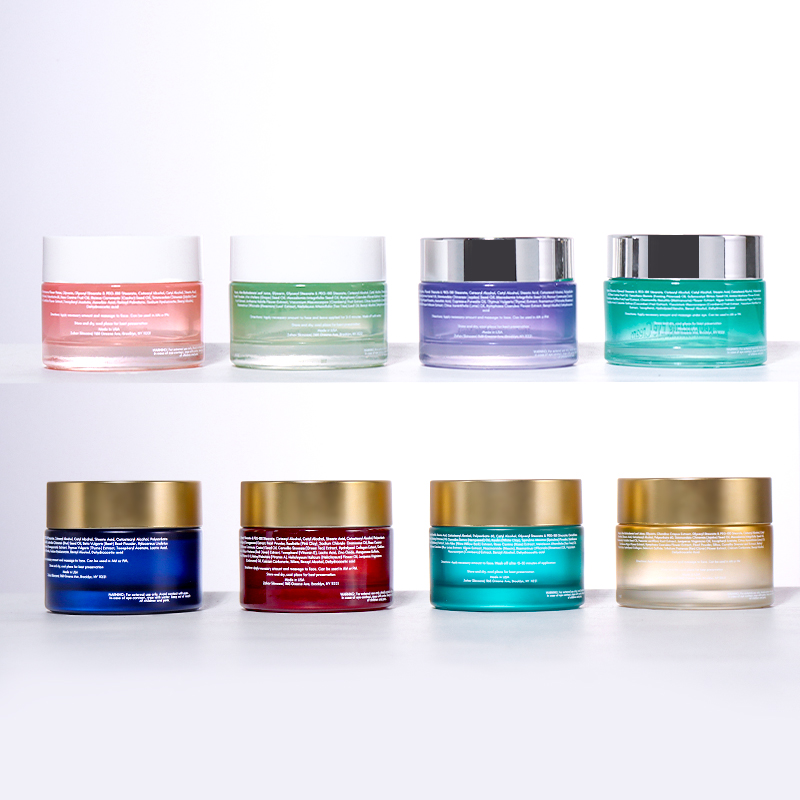
Simplifying Skincare Packaging Procurement Through Integrated One-Stop Service
A skincare brand launching a product line needs bottles, jars, droppers, pumps, caps, boxes, inserts, and labels — often from four or more separate suppliers. Each supplier relationship adds coordination complexity, shipping cost, and the risk that one delayed component holds up the entire launch. One-stop skincare packaging consolidates these fragmented procurement relationships into a single supplier capable of delivering every packaging component from glass forming through final decoration.
The Procurement Fragmentation Problem
The Hidden Costs of Multi-Supplier Sourcing
When a brand sources glass bottles from Supplier A, plastic caps from Supplier B, dropper assemblies from Supplier C, and printed boxes from Supplier D, the visible costs — unit prices on each purchase order — represent only a fraction of the total procurement cost. The invisible costs include: multiple shipping arrangements (four separate freight shipments instead of one consolidated container), multiple quality inspections (four sets of AQL sampling), multiple communication channels (four points of contact across potentially different time zones and languages), and the coordination risk that Supplier B's caps arrive two weeks after Supplier A's bottles, idling the filling line.
Component compatibility risk compounds with each additional supplier. A bottle neck finish specified as 18/415 from Supplier A may seat properly with a cap from Supplier B — or may not, because Supplier A's glass mold produces the neck at the upper end of the tolerance range while Supplier B's cap mold produces threads at the lower end. When the mismatch is discovered during production filling, neither supplier is at fault — the brand bears the cost of line stoppage, component rework, or emergency reorder.
How One-Stop Service Eliminates Coordination Gaps
A one-stop skincare packaging supplier like Hiyeah Packaging manufactures glass bottles and jars, produces compatible plastic caps and pump assemblies, and prints custom cosmetic boxes — all under one quality management system. The bottle neck is molded to match the cap thread from the same design file. The box insert is die-cut to the exact dimensions of the bottles it will hold. Color matching across glass decoration (silk-screen, hot stamp) and box printing (offset lithography) uses the same Pantone reference from the same color management workflow. The integration eliminates the tolerance-stacking and communication gaps that produce incompatibility between components from separate suppliers.
The Capabilities Checklist for a Qualified One-Stop Supplier
Glass Forming and Decoration Under One Roof
The most capable one-stop skincare packaging suppliers control glass container manufacturing in-house rather than trading commodity bottles. In-house forming means the supplier can adjust mold parameters — gob weight, blow pressure, cooling rate — to produce bottles and jars that match the brand's exact wall thickness, weight, and dimensional specifications rather than selecting the closest stock option.
In-house decoration adds further integration value. Silk-screen printing and hot stamping applied to glass immediately after annealing, before the bottles enter warehouse storage, eliminates the double-handling, double-inspection, and double-shipping that occur when decoration is outsourced to a separate facility. Hiyeah Packaging operates glass spraying, painting, electroplating, high/low temperature silk-screen printing, sandblasting, hot stamping, and 3D printing processes — all within the same manufacturing campus, eliminating inter-facility logistics.
Plastic Component and Closure Manufacturing
The cap, pump, dropper, and sprayer that complete a skincare package require plastic injection molding capability. A supplier with in-house molding produces closures that are tested for thread fit against the glass bottles on the same production floor rather than relying on tolerance specifications alone. When a cap threads on slightly too tight or too loose, the mold technician adjusts the injection parameters — not the purchase order specification — and verifies the adjustment against the actual bottle within minutes.
This integration is particularly valuable for airless pump bottles, where the pump mechanism, the bottle, and the over-cap must function as a single precision system. Tolerance mismatch between pump and bottle, invisible on individual component drawings, produces pumps that leak, dispense inconsistently, or fail to prime — problems that only emerge during filling-line testing, when correction costs are highest.
Custom Box and Insert Production
The cosmetic box that presents the complete skincare set should be designed knowing exactly which bottles, jars, and accessories it will contain. When the same supplier produces both the primary packaging (bottles and jars) and the secondary packaging (boxes and inserts), the insert recess dimensions are taken from the production bottles — not from CAD drawings — eliminating the 1–2 mm clearance errors that cause products to fit too loosely or jam during insertion.
A Beauty Brand's Supply Chain Consolidation
A mid-size beauty brand launching a three-SKU skincare line — cleanser, serum, and moisturizer — initially sourced components from four suppliers: glass bottles from one factory, dropper and pump closures from a second, plastic jars from a third, and printed boxes from a fourth. The launch was delayed by six weeks when the dropper supplier's shipment arrived damaged and the replacement order took four weeks to produce.
For the second product line, the brand consolidated all components with Hiyeah Packaging's one-stop service. The complete packaging package — glass bottles, dropper and pump assemblies, cream jars, and gift-set boxes — shipped in a single consolidated container. Total procurement lead time dropped from 14 weeks to 7 weeks. Freight costs decreased by 32% through container consolidation. Quality inspection time was cut by 60% because one inspection team verified all components rather than four separate inspections at four facilities. The brand's packaging procurement team headcount was reduced from two full-time staff managing multiple suppliers to one staff member managing a single supplier relationship.
Frequently Asked Questions
What is the minimum order quantity for one-stop skincare packaging?
Typical MOQ is 3,000–5,000 units per component type, though some integrated suppliers like Hiyeah Packaging support smaller quantities for brand launches. The consolidated order across multiple components often meets MOQ thresholds more easily than separate orders with individual suppliers.
How much lead time does one-stop packaging save?
Consolidated packaging typically reduces total procurement lead time by 30–50% compared to multi-supplier sourcing. A 7–8 week timeline for complete packaging (glass, closures, boxes) versus 12–16 weeks through separate suppliers is common for standard designs.
Does one-stop packaging limit design flexibility?
No. Integrated suppliers with in-house design teams, mold-making, and multiple decoration technologies offer at least as much design flexibility as separate specialists. The difference is that design decisions are coordinated across components rather than made in isolation with incompatible outcomes.
Can one-stop packaging support sustainable material sourcing?
Yes. Integrated suppliers control the material supply chain and can specify recycled glass cullet content, FSC-certified paperboard, PCR plastic for closures, and water-based adhesives across all components. Hiyeah Packaging provides eco-certified material options for brands with sustainability commitments.
How to audit a one-stop skincare packaging supplier's quality system?
Verify ISO 9001 certification, request a facility walkthrough (in-person or virtual), and review a recent third-party audit report. The quality system should include incoming material inspection, in-process QC checkpoints, finished product AQL sampling, and documented corrective action procedures.
What payment and shipping terms do one-stop packaging suppliers offer?
Standard trade terms include 30% deposit with order, 70% before shipment, or 30% deposit with 70% against documents. FOB and CIF shipping terms are standard. Payment methods include T/T, L/C at sight, and PayPal for sample orders. Hiyeah Packaging provides flexible payment arrangements for established accounts.