 EN
EN

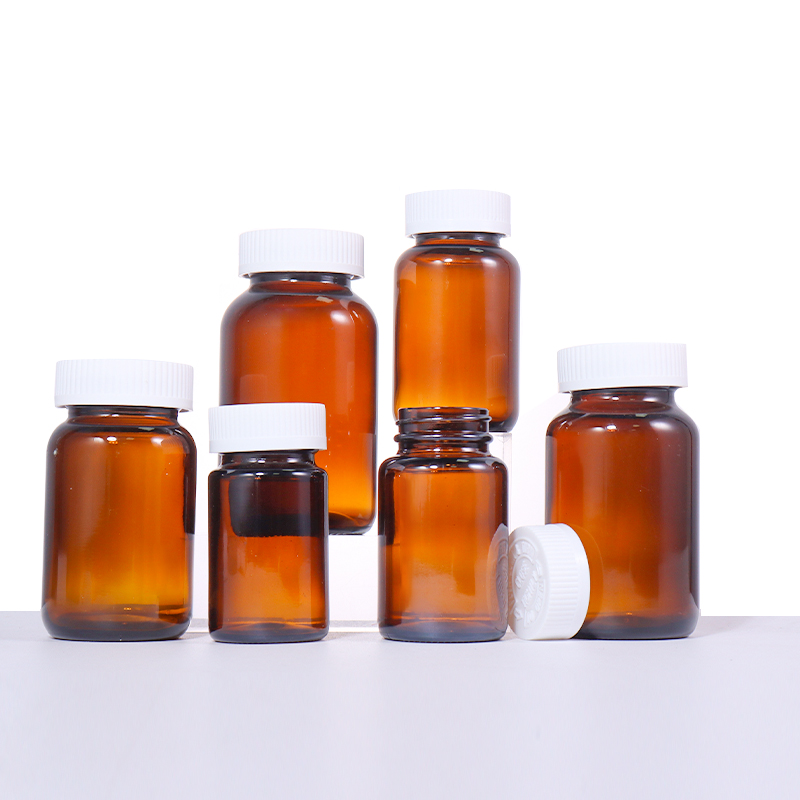
Choosing Between Glass and Plastic for a Cosmetic Jar That Protects Both Formula and Brand
A cosmetic jar performs two duties: it protects the formula inside from degradation and it communicates the brand's quality position to the customer at the point of purchase. Glass and plastic each deliver on these duties differently, and the right choice depends on the formulation chemistry, the brand positioning, the distribution channel, and the sustainability commitments the brand has made.
Chemical Compatibility: Where Glass Pulls Ahead
Active Ingredient Stability
Glass is chemically inert. The silica-based network structure contains no organic compounds that can leach into the cream, no plasticizers that migrate over time, and no residual monomers from incomplete polymerization that react with sensitive actives. This matters most for formulations containing aggressive ingredients: retinol (vitamin A), ascorbic acid (vitamin C), alpha-hydroxy acids (glycolic, lactic), and benzoyl peroxide. Each of these compounds attacks polymer chains in plastic containers through oxidation, acid-catalyzed hydrolysis, or radical-mediated degradation.
A glass cosmetic jar eliminates the ingredient-container interaction entirely. The formulation's stability becomes a function of the formulation itself — antioxidant levels, pH buffering, chelating agents — rather than a race between ingredient degradation and container leaching. For brands marketing "clean" or "clinical" skincare lines where formula integrity is the core value proposition, the glass jar provides a defensible technical rationale that plastic cannot match.
Plastic jars (typically PP, PET, PETG, or acrylic) introduce formulation-compromising variables. Polypropylene (PP) contains antioxidant stabilizers that can react with oxidative actives. PET, while more inert than PP, allows measurable oxygen permeation — approximately 0.04 cc·mm/m²·day·atm at 23°C — that slowly oxidizes air-sensitive ingredients. Acrylic (PMMA) offers glass-like clarity but is susceptible to stress cracking when exposed to alcohol-based formulations above 20% ethanol concentration.
Barrier Performance Comparison
Glass provides an absolute barrier to oxygen, moisture vapor, and volatile fragrance compounds. The oxygen transmission rate through a glass cosmetic jar wall is effectively zero. A fragrance incorporated into a cream stays in the cream; atmospheric oxygen stays out. This absolute barrier property is why pharmaceutical parenteral products — injectable drugs requiring absolute sterility and zero container interaction — are packaged almost exclusively in glass.
Plastic jars transmit oxygen and moisture at measurable, though low, rates. PET allows approximately 15–25 cc·mm/m²·day·atm of oxygen transmission. PP allows higher rates (50–100 cc·mm/m²·day·atm) but better moisture barrier. For a skincare product with a 24-month shelf life, the cumulative oxygen ingress through a plastic jar wall can consume a significant fraction of the formulation's antioxidant reserve, shortening the period during which active ingredients remain at their labeled concentration.
Brand Perception and Tactile Experience
The weight of a glass cosmetic jar — typically 120–180 grams for a 50 mL container versus 30–50 grams for an equivalent plastic jar — translates directly into perceived quality. Consumer testing consistently shows that heavier packaging is rated as "more expensive," "higher quality," and "more luxurious" than lighter packaging containing identical product. The cold-to-the-touch sensation of glass reinforces the perception of freshness and purity.
Plastic jars cannot replicate this weight without adding fillers (calcium carbonate, barium sulfate) to the polymer, which reduces clarity and introduces potential leaching concerns. The best plastic can achieve is a thick-walled design that adds material cost to approach — but never match — the tactile presence of glass.
Sustainability Considerations
Glass is infinitely recyclable without loss of quality. A glass cosmetic jar can be crushed, remelted, and formed into a new glass container an unlimited number of times. The recycling infrastructure for glass is established in virtually every market.
Plastic recycling rates for cosmetic packaging remain low — approximately 9% globally across all plastic types, with cosmetic containers contributing disproportionately to the non-recycled fraction because of mixed materials (different plastic types in jar and cap, metal springs in pumps, labels that contaminate recycling streams). Brand commitments to post-consumer recycled (PCR) plastic content address the sourcing side but not the end-of-life reality.
The sustainability equation has a weight component: glass jars are heavier, requiring more transport energy, and their production from virgin materials requires higher temperatures (1,500°C versus 200–300°C for plastic). The lifecycle analysis depends on assumptions about transport distance, recycling rates, and energy grid carbon intensity. Brands should request specific lifecycle data from jar suppliers rather than relying on general claims.
An Indie Brand's Material Decision
A California-based indie skincare brand developing a peptide-rich moisturizer evaluated glass and PETG plastic options for their 50 mL cosmetic jar. The formulation contained Matrixyl 3000 and copper peptides — ingredients sensitive to both oxidation and metal-ion catalysis. Accelerated stability testing at 40°C/75% RH over 90 days showed peptide concentration retention of 91% in glass versus 78% in PETG — a 13% difference that meant the difference between meeting and missing the label claim at the end of the 18-month shelf life.
The brand selected a glass cosmetic jar from Hiyeah Packaging with an airless pump closure to minimize headspace oxygen exposure during consumer use. The jar's weight and cold-touch feel aligned with the brand's "clinical-grade" positioning, and the glass material allowed hot-stamped gold logo decoration that PETG could not support at the same quality level. The incremental cost of glass over plastic — approximately $0.45 per unit — was offset by reduced returns and higher customer satisfaction ratings.
Frequently Asked Questions
Does a glass cosmetic jar cost more than a plastic jar?
Yes, typically $0.30–0.60 more per unit for a 50 mL jar. The premium covers higher material cost, heavier shipping weight, and more energy-intensive manufacturing. Brands position glass jars in the premium segment where the price difference is absorbed by higher product margins.
Can a glass cosmetic jar be dropped without breaking?
Standard soda-lime glass jars survive drops from approximately 60–90 cm onto tile — typical bathroom counter height. Borosilicate glass provides higher impact resistance. Type III soda-lime glass, used for most cosmetic jars, is not shatterproof and should be tested for drop performance.
Does plastic offer any advantages over glass for a cosmetic jar?
Plastic jars are lighter (lower shipping cost), shatter-resistant (safer for shower-use products), and allow more complex shapes through injection molding. For budget-positioned products or travel-size formats where weight and breakage risk dominate, plastic is the practical choice.
Can glass jars be used with airless pump closures?
Yes. Airless pump systems are compatible with glass jars when the jar neck finish matches the pump thread specification. Hiyeah Packaging supplies glass cosmetic jars with compatible pump closures for airless dispensing.
How to verify glass jar annealing quality?
View the jar under polarized light through a polariscope. Residual stress appears as colorful interference patterns. Excessive stress — indicated by dense, bright patterns — means the annealing process was inadequate, and the jar is prone to spontaneous breakage or failure under minor impact.
Are there hybrid glass-plastic cosmetic jar options?
Some jars use a glass inner container with a plastic outer shell for shatter protection while maintaining the glass-to-product contact. Double-wall designs place a plastic liner inside a glass outer for the visual appeal of glass with the weight reduction and break resistance of plastic.