 EN
EN

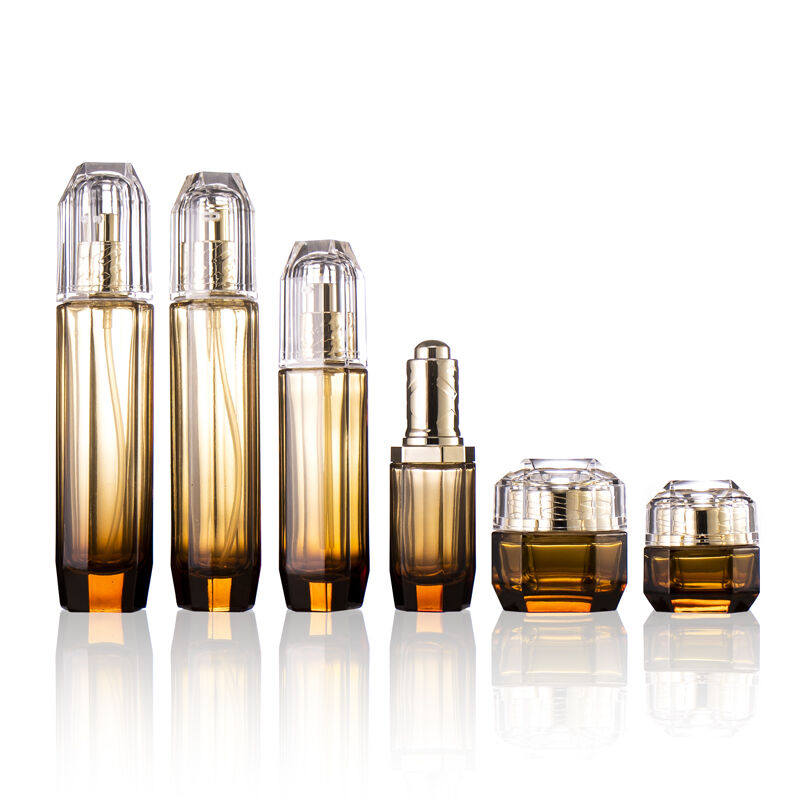
Understanding Full-Chain Cosmetic Packaging: From Fragmentation to Integration
The Problem: Siloed Procurement and Operational Gaps in Traditional Cosmetic Packaging
Traditional cosmetic packaging procurement operates in disconnected silos—design studios, material vendors, and manufacturing partners are managed separately. This fragmentation causes delays, cost overruns, and sustainability blind spots. When design isn’t aligned with manufacturing capabilities, production timelines extend by 30–50%. Logistics disconnects further drive waste: 30% of global cosmetic shipments require rework due to damaged packaging (Supply Chain Insights 2023). Without integrated oversight, brands cannot trace material origins or assess end-of-life impacts—eroding environmental accountability. Financially, supply chain disruptions cost beauty brands an average of $740k annually (Ponemon Institute 2023).
The Solution: How Full-Chain Cosmetic Packaging Unifies Design, Manufacturing, Logistics, and Sustainability
Full-chain cosmetic packaging replaces fragmentation with end-to-end integration—from concept through recycling—under a single strategic partner. This model synchronizes material science with design engineering, ensuring primary packaging (e.g., bottles, pumps) supports both formula stability and high-speed automated filling. Real-time data sharing cuts prototyping cycles by 40%, while integrated logistics networks deliver with 98% accuracy. Crucially, sustainability is embedded—not bolted on—through circular design:
- Mono-material components improve sorting and recycling efficiency
- Refill systems reduce packaging waste by 60–70%
- Blockchain-tracked recycled resins meet Extended Producer Responsibility (EPR) mandates
By eliminating handoff gaps, brands gain full visibility into carbon footprints and accelerate time-to-market by 8–12 weeks.
The Three Pillars of Modern Cosmetic Packaging Solutions
Integration: Seamless Collaboration Across Brand, Supplier, and Contract Manufacturer
Modern cosmetic packaging dissolves traditional silos via shared digital platforms that unite brands, material scientists, and manufacturers. This co-development approach aligns design intent with production feasibility from day one—reducing development cycles by 30% and ensuring innovations launch faster without compromising quality.
Functionality: Packaging Engineered for Formula Compatibility, Dispensing, and User Experience
Performance-driven design meets three core technical demands:
- Formula protection: High-barrier materials prevent oxidation of actives like vitamin C or retinol
- Precision dispensing: Airless pumps achieve 99.5% evacuation, preserving serum integrity and dosage control
-
Ergonomic interaction: Weight-balanced compacts and tactile closures improve usability across age and ability groups
Together, these features cut product waste by 18% while elevating perceived value and satisfaction.
Sustainability: Circular Design, Refill Systems, and Eco-Materials in Cosmetic Packaging
Circular economy principles now define industry leadership:
| Approach | Implementation Example | Environmental Impact |
|---|---|---|
| Material redesign | 100% post-consumer recycled (PCR) plastic components | 45% lower carbon footprint vs. virgin resin |
| Reuse systems | Modular refill compacts with standardized cartridges | 70% less primary packaging waste |
| End-of-life | Monomaterial constructions (e.g., PP-only bottles + pumps) | 90% improved recyclability in municipal streams |
| Refillable formats have seen 60% adoption among leading manufacturers since 2022—a direct response to consumer demand for credible eco-innovation. |
Enabling Technologies and Resilience in Cosmetic Packaging Supply Chains
Digital Twins, Real-Time Traceability, and Predictive Logistics for Cosmetic Packaging
Digital twins simulate packaging performance before physical prototyping—testing drop resistance, barrier integrity, and assembly compatibility—cutting development costs by up to 30% (McKinsey 2023). Real-time traceability—via blockchain or IoT sensors—provides auditable records of recycled content, ethical sourcing, and compliance with evolving EPR frameworks. Predictive logistics algorithms analyze port congestion, weather, and shipment history to anticipate delays and reroute components proactively. Together, these technologies reduce packaging-related waste by 22% and strengthen resilience against raw material volatility and geopolitical disruption—ensuring consistent quality and on-time delivery.
Driving Brand Value Through Consumer-Centric Cosmetic Packaging
In today’s saturated beauty market, consumer-centric cosmetic packaging transforms functional containers into emotional touchpoints—and directly fuels brand equity. Brands prioritizing real-world usability—ergonomic dispensers, intuitive refills, and inclusive accessibility—see 42% higher repeat purchase rates (Beauty Packaging Insights 2023). This human-first strategy reduces decision fatigue, elevates perceived quality, and signals authenticity when aligned with values like sustainability and personalization.
- Experience-driven differentiation: Travel-friendly formats, mess-free applicators, and one-handed dispensing outperform generic designs by 3:1 in consumer satisfaction
- Values amplification: Eco-materials and refill systems build trust—68% of consumers pay a premium for brands demonstrating verifiable environmental commitment
- Emotional resonance: Thoughtful textures, satisfying closure acoustics, and intentional unboxing moments create neurological associations that lift brand recall by 57%
Packaging is no longer a cost center—it’s a profit catalyst. Every functional detail and sustainable choice compounds into measurable loyalty, differentiation, and long-term brand value.
FAQ
What is full-chain cosmetic packaging?
Full-chain cosmetic packaging refers to an integrated process that combines design, manufacturing, logistics, and sustainability efforts under a single strategic partner to deliver efficient and eco-friendly packaging solutions.
Why is traditional cosmetic packaging problematic?
Traditional cosmetic packaging often involves separate management of design studios, material vendors, and manufacturers, leading to inefficiencies, waste, and lack of sustainability tracking.
How does full-chain cosmetic packaging promote sustainability?
This approach embeds sustainability through circular design, use of mono-material components, refill systems, and blockchain-tracked recycled resins.
What are the benefits of consumer-centric cosmetic packaging?
Consumer-centric packaging enhances usability, trust, and brand equity by focusing on ergonomic dispensers, inclusive accessibility, and eco-friendly materials.