 EN
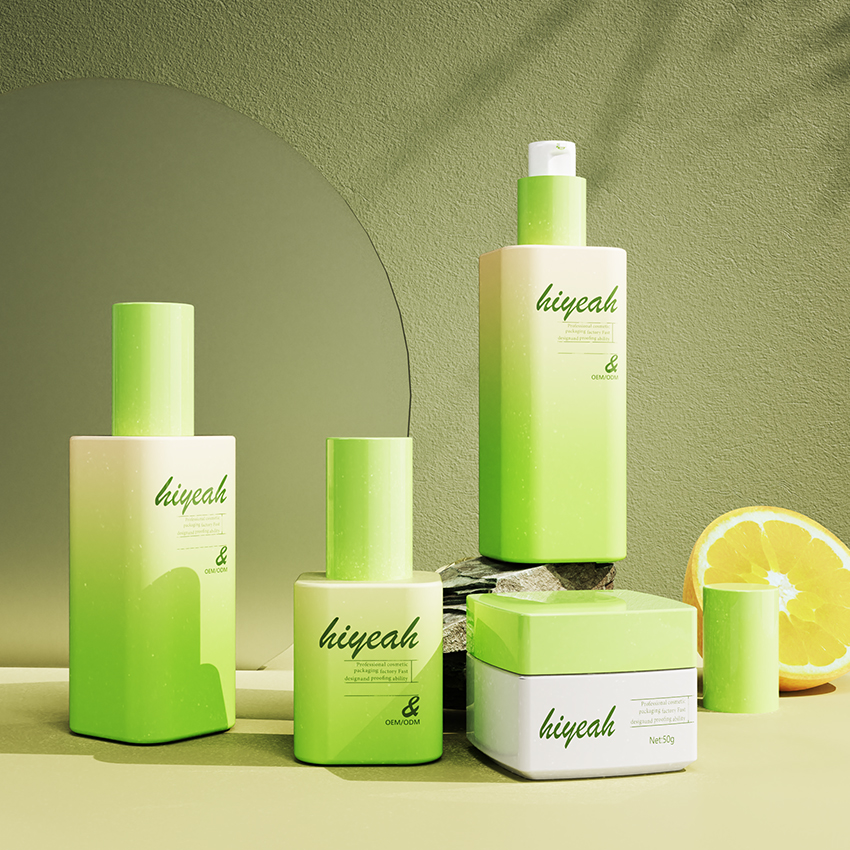
Custom cosmetic packaging is often treated as a cost and behaves like a sales tool, because the container is the first thing a customer touches and the last thing they remember. The gap between packaging that sells and packaging that merely holds sits in the fit to the product, the shelf presence, and the unit cost. Buyers who judge cosmetic packaging on those three rather than on the sample box avoid the beautiful container that never pays for itself. The guidance below covers real launches, the failure modes of a design-led brief, the engineering that supports a sale, and a buyer checklist for beauty packaging and skincare bottles.
Real-World Industry Case / Scenario
A Brand That Sold the Same Formula Twice
A skincare brand relaunched an unchanged formula in custom cosmetic packaging with a better closure and a clearer label hierarchy, and the sell-through improved without a single change to the product. The buyer learned that cosmetic packaging is part of the proposition, and that beauty packaging which makes the product easier to use and easier to read moves units.
Test on the real distribution route. A custom cosmetic packaging design that survives a studio drop can still fail a stacked pallet or a hot trailer, so the transit test should follow the actual journey. Buyers who test on the route find the weakness before the customer does.
Operators who log each cosmetic packaging after every event catch small faults before they become safety issues.
A Launch That Spent on the Wrong Thing
A launch spent its packaging budget on an elaborate outer carton and left the primary container flimsy, and the returns came from damaged skincare bottles rather than from the design. Redirecting the spend to a sturdier primary container fixed the damage rate. The buyer learned that cosmetic packaging has to protect before it impresses, and that packaging design which ignores the journey produces the complaints.
Cost the decoration separately from the container. Decoration is where the cost jumps, and a beauty packaging design that adds foiling, embossing, and a secondary process can double the unit cost. Buyers who cost the decoration early avoid the design that cannot be sold at its landed price.
A physical sample beats a drawing every time, because the hand judges weight, balance, and closure that a render cannot show.
Risk & Failure Mode Analysis
Design That Ignores the Journey
The dominant risk is packaging designed for the shelf and not for the journey, because a beautiful container that cracks in transit produces the damage claim that erases the margin. A custom cosmetic packaging programme should be tested on the actual distribution route rather than on the studio sample. The fix is to design for the drop, the compression, and the temperature range the product will actually meet.
Check the label area against the seam. A skincare bottle label that crosses a moulding seam lifts and looks wrong, so the label area should be clear and flat. Cosmetic packaging specified with the label zone in mind looks better on the shelf and applies faster on the line.
A documented specification keeps every reorder consistent across production batches.
Cost That Erases the Margin
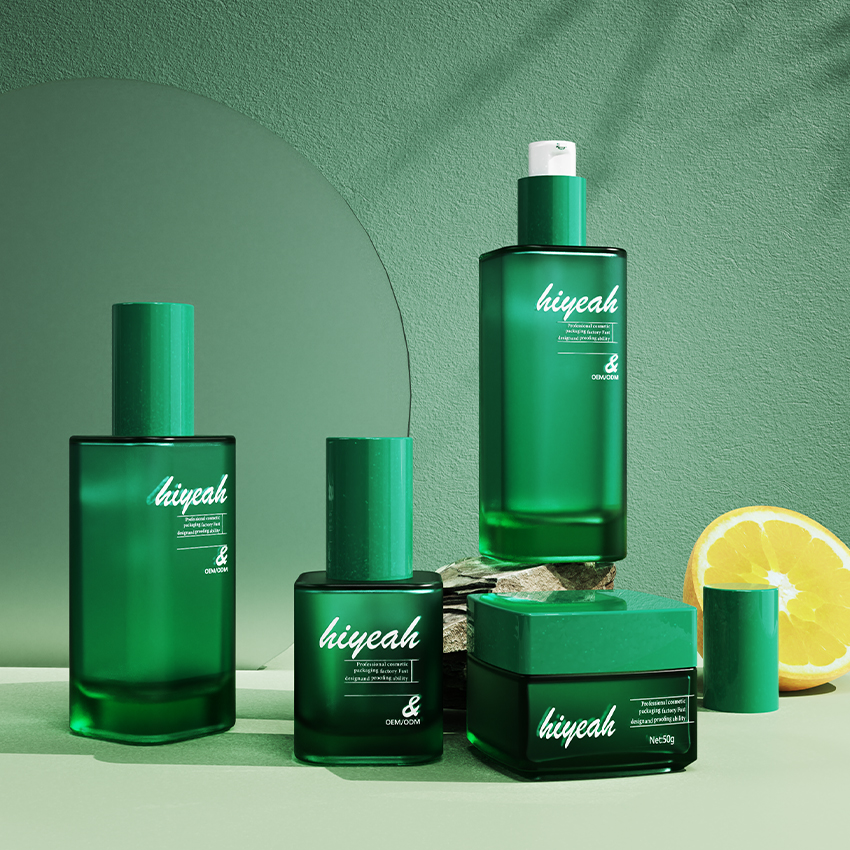
A second risk is a unit cost that erases the margin, because an elaborate cosmetic packaging spec can double the cost of goods on a low-price product. Buyers who approve the design before the costing discover the problem at the quote. The fix is to cost the beauty packaging at the design stage, because a skincare bottle that cannot be sold at its landed cost is a design that never ships.
Confirm the closure feel with the actual user. A cap that is hard to open frustrates and one that is loose feels cheap, so the closure torque should be judged by hand rather than by specification. Packaging design that ignores the closure feel produces the complaint that has nothing to do with the product.
The cosmetic packaging remains a strong choice where foot traffic is high and supervision is active.
Technical Principles & Standard Compliance
Protection, Presentation, and Unit Cost
Custom cosmetic packaging works when protection, presentation, and unit cost are specified together rather than in sequence. Protection comes first, because the container has to survive the drop, the compression of a stacked pallet, and the temperature range of the journey, and a skincare bottle that leaks in transit fails regardless of its design. Presentation is the second variable, because the label hierarchy, the closure feel, and the shape on the shelf are what the customer actually evaluates. Unit cost is the constraint that disciplines both, because an elaborate cosmetic packaging spec on a low-margin product cannot pay for itself. The material choice also carries the compatibility requirement, because the container has to protect the formula from light, air, and moisture where the product is sensitive. Buyers should confirm the material compatibility, the transit performance, and the cost together, because packaging design that treats them in isolation produces a container that either breaks or cannot be sold.
A cosmetic packaging that matches the site and the user group pays for itself through repeat use and fewer repairs.
Spare closures and caps on hand turn a short supply into a quick swap rather than a stopped line.
Actionable Buyer & Maintenance Guide
Briefing for a Commercial Outcome
Buyers should brief the custom cosmetic packaging on the product sensitivity, the distribution route, the shelf context, and the landed cost target at the same time, then require a transit test on the actual container. Suppliers of custom cosmetic packaging such as Hiyeah provide a beauty packaging plan that names material, protection, and cost. The design should be costed before the artwork is approved. Cosmetic packaging briefed this way protects the product, presents it properly, and pays for itself.
A packaging programme begins with the product, because a container chosen for the shelf rather than the contents fails in use.
A named owner for each component keeps accountability clear when a part arrives out of tolerance.
Frequently Asked Questions
Question 1: Does cosmetic packaging really affect sales?
Answer: It affects sales where the customer evaluates the container, because the packaging is the first touchpoint and the last thing remembered. A custom cosmetic packaging change that improves usability and clarity can lift sell-through without touching the formula. Buyers should treat cosmetic packaging as part of the proposition rather than as a cost line.
Question 2: What matters more, design or protection?
Answer: Protection matters more, because a container that leaks or cracks in transit produces the returns that erase the margin. A beauty packaging design has to survive the journey before it can work on the shelf. Buyers who test the skincare bottles on the actual route find the weakness before the customer does.
Question 3: How is the unit cost controlled?
Answer: The unit cost is controlled by costing the design at the brief stage rather than at the quote stage, because an elaborate cosmetic packaging spec can double the cost of goods. The material, the decoration, and the closure are where the money goes. Buyers who cost the packaging design early avoid the beautiful container that cannot be sold.
Question 4: Should the container protect the formula?
Answer: Yes, where the formula is sensitive to light, air, or moisture, the container is part of the preservation system. A skincare bottle specified for the product protects the efficacy the customer is paying for. Buyers should confirm the material compatibility, because cosmetic packaging that does not protect the formula undermines the claim on the label.