 EN
EN

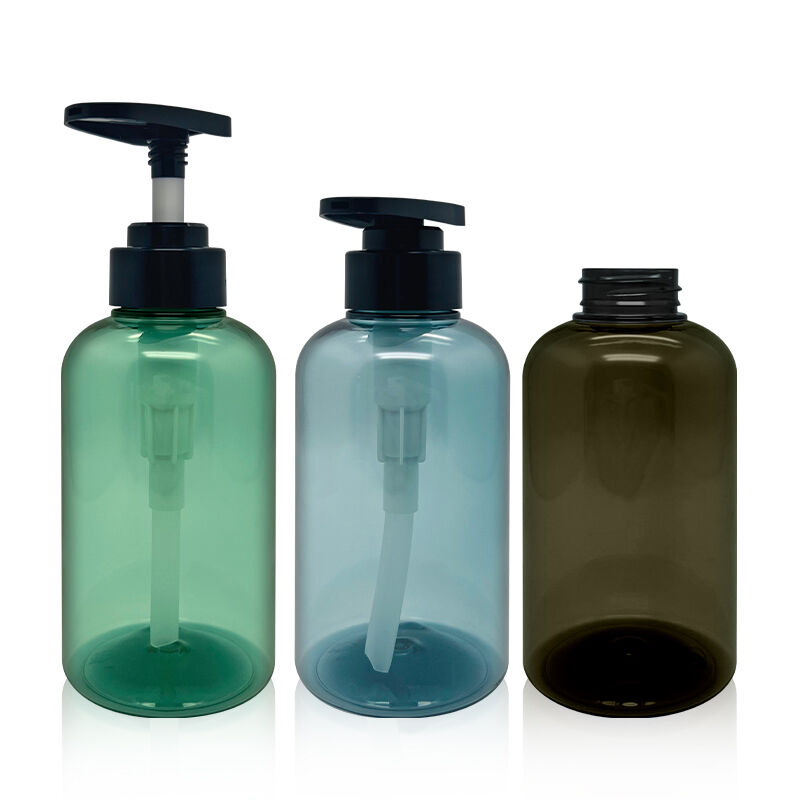
הכרת היסודות של בקבוקי שאמפו המותאמים למתן מחודש
מדוע בקבוקי שאמפו המותאמים למתן מחודש חשובים לקיימות המותג ולנאמנות הלקוחות
בקבוקי שאמפו המותאמים למתן מחודש מפחיתים את פסולת הפלסטיק עד ב־70% לאורך מחזור חייהם בהשוואה לחלופות חד-פעמיות — ממצא אשר אושר על ידי קרן אלן מקארת'ור דוח ההתקדמות הגלובלי לשנת 2023 . עובדה זו מגיבה באופן חזק במיוחד עם הצרכנים של ימינו: 91% מהם מעניקים עדיפות למותגים ידידותיים לסביבה, לפי דוח הסגמנטציה בתחום הקִיּוּמוּת לשנת 2023 של NielsenIQ דוח הסגמנטציה בתחום הקִיּוּמוּת לשנת 2023 מעבר להשפעה הסביבתית, מערכות מילוי מחדש מקדמות קשרים מעמיקים יותר עם הלקוחות — מותגים בעלי תוכניות מילוי מחדש מאורגנות דיווחו על שיעורי השמירה על לקוחות גבוהים ב-30%. פעולת המילוי מחדש מחזקת את ההכוונה וההתאמה לערכים, ומשנה טיפול בשיער רגיל לביטוי עקבי של תמיכה במותג.
רכיבי מבנה מרכזיים: מנגנון המפזר, שלמות החסימה ועיצוב פתח המילוי
שלושה רכיבי הנדסה תלויים זה בזה קובעים את הצלחת הפונקציה:
- מנגנוני מפזר —בין אם משאבות מדויקות או כיסויים נוחים להפעלה—חייבים להתמודד באופן אמין עם צמיגויות מגוונות, החל מתחליבים קלים חסרי סולפט ועד לתערובות עבות עשירות שמן.
- שלמות החותם תלוי בגaskets דו-שכבותיים ובפולימרים יציבי UV כדי למנוע חמצון, חדירת מיקרואורגניזמים ופירוק המרכיבים לאורך תקופת השימוש החוזר.
- עיצוב פתח המילוי חייב להשיג איזון מושכל: רחב מספיק למילוי ללא נזילות, אך מעוצב עם כיסויים נעולים או צווארים מצומצמים כדי למנוע נ spills במהלך הובלה או שימוש ביתי.
השעיה של רכיב אחד בלבד עלולה לגרום לדליפה, חוסר יציבות הנוסחה או חיכוך עם המשתמש — כל אחד מהגורמים הללו פוגע ישירות באמון הן במוצר והן במותג.
בחירת החומרים המתאימים לבקבוקי שאמפו מותאמים אישית
השוואה בין HDPE מחזור (PCR HDPE), HDPE ביולוגי (Bio-HDPE) ואלומיניום: ביצועים, עלות ותפוקת מחזור
בחירת החומר משפיעה על התחייבויות קיימות, על הביצועים במלאי ועל תפיסת הצרכן — לא רק על העלות. HDPE מחזור מצרך (PCR HDPE) מספק עמידות כימית ועמידות גבוהות, ובו זמנית מקטין את עלות החומר ב-20–30% לעומת פלסטיק חדש. HDPE ביולוגי (Bio-HDPE), המופק מאתנול סוכרנים, מציע זמינות פחמן-נייטרלית, אך הוא יקר ב-40% יותר. האלומיניום מספק מחזור אינסופי ופרוטקציה מעולה נגד חדירה — ונתמך בשיעור מחזור של 70% בתעשייה — אך מגביר את עלות היחידה ב-50–60%.
| חומר | חוזק הביצוע | עלות ליחידה (הערכה) | הקטנת הרגל הקARBונית |
|---|---|---|---|
| HDPE מחזור (PCR HDPE) | עמידות כימית, עמידות | $0.15–$0.20 | 30–40% לעומת פלסטיק חדש |
| HDPE ביולוגי (Bio-HDPE) | זמינות מתחדשת, קשיחות | $0.25–$0.30 | 50–60% (מבוסס על צמחייה) |
| אלומיניום | הגנה מפריעה, תחושת פרימיום | $0.35–$0.45 | 70–80% (יעילות מחזור) |
למותגים אקולוגיים שמתמקדים בתכולה, HDPE ממחזור מספק השפעה מדידה ללא פגיעה בתפקוד. Bio-HDPE תומך בהתחייבויות נייטרליות פחמן מבוססות מדע. אלומיניום מתאים ביותר לסדרות פרימיום שבהן הארכת תקופת המגורים על המדף, הבחנה חושית והאמינות של מעגליות הן דרישות אסטרטגיות.
תאימות חומר עם تركובות שאמפו נפוצות (למשל, ללא סולפטים, מבוססות שמן)
תאימות אינה רשות — היא יסוד לביטחון, יציבות ויעילות. גם HDPE ממחזור וגם Bio-HDPE מתפקדים היטב עם تركובות ללא סולפטים ועם תוכן שומן נמוך, אך עלולים להתנפח או לריכך בעת חשיפה ל샴פואים מבוססי שמן שתוכן השומן בהם עולה על 15%. לאלומיניום נדרשים קשיות אפוקסי למזון כדי למנוע ניקור בتركובות חומציות (למשל, חומצה סליצילית או שמפואים מנקים בעלי pH معدل). על כל החומרים לעבור בדיקת יציבות בזמן אמת במשך 90 יום, אשר תאשר:
- אין סיבוב של תרכובות נעות בתערובות עשירות בשמן אתרי
- שמירה על pH המטרה (<5.5) במערכות חומצות
- שמירה על הבהירות האופטית בפתרונות הבהירות הפומביים
נוסחאות עשירות בשמן ומוצרות טבעיות דורשות תכונות מחסום חזקות; שרסינים ממוטלים באור UV או תיבות אלומיניום לא שקיות מגינות עוד יותר על צמחים רגישים לאור ומארכות את תקופת השימוש.
אפשרויות מותג ואישית אסתטית לבקבוקי שמפו
שיטות יישום לוגו: חיתוך לייזר, קישוט בתוך תבנית, וסימן מגע רך
ביצוע מותג מעביר ערכים לפני שהטיפה הראשונה מופצת. חיתוך לייזר יוצר זיהוי קבוע, ללא תוויתאידיאלי למעמד גבוה וליחסור פסולת, ללא סיכון לקלחת או שרידי דבק. עיצוב בתוך עובש (IMD) משקם גרפיקה ישירות בקיר המכל במהלך עיצוב, מספקת עמידות יוצאת דופן לשרוצים ולשטוף לצד השילוב צבעי תוסס ותמיד. תווית מגע רך , המופעלת לאחר הזרקה, מוסיפה שכבת מגע וולווטית ייחודית כפי שמוצג ב עיבוד אריזות (2023) כדי להגביר את כוונת הקנייה ב-30% — ויעילה במיוחד למוצרים בעלי תדירות גבוהה כגון שאמפואים יומיים, שבהם החיזוק החושי מקדם הכרות והעדפה.
בחירת צבע, kếtextura וסיום כדי להתאים את זהות המותג היוקרתי או האקולוגי
רמזים חזותיים וחושיים פועלים ברמה תת-מודעת — ויוצרים השפעה על התפיסה מהר יותר מאשר טקסט או טענות. גוונים אדמתיים ומעורבלי צבע (ירוק גלגלת, בז' דגנית) מעידים על אמינות ומחויבות סביבתית; גוונים מתכתיים וגוונים עמוקים של אבני חן מעידים על יוקרה וביצועים. הטקסטורה שוקלת באותה מידה: משטחים מאטים ולא מצופים מרמזים על עיבוד מינימלי ו책אות אקולוגית, בעוד שסיומים מבריקים מעידים על שיפור טכנולוגי והנאה. טקסטורות מאטות וחלקות מחזקות זהויות מינימליסטיות וממוקדות בריאות — במיוחד כאשר הן מוצמדות לגרגרי חומר מחזור הנראים לעין. חשוב לציין, שמחקרים בתחום ה Journal of Consumer Research (2022) מאשר כי kếtext משפיע על האיכות הנרגשת באופן חזק יותר מאשר הסילואט בלבד. מותגים עתידיים מתמקדים באומנות החומר הגלמי — HDPE מחזור ללא طلاء, נקודות גלויות, הבדלים עדינים — בעוד ששורות פרימיום משתמשות בطلاء פרליסצנטי או באלומיניום אנודיזציה להבחנה עדינה. התאמה מלאה בצבע, מסיימה וצורה מבטיחה שכל נקודת מגע מחזקת את אותו מבטחה של המותג.
שאלות נפוצות (FAQ)
מה היתר העיקרי בשימוש בבקבוקי שאמפו ניתנים למילוי מחדש?
בקבוקי שאמפו ניתנים למילוי מחדש מפחיתים באופן משמעותי את פסולת הפלסטיק, ויכולים לפגוע בה עד 70% לאורך מחזור חייהם בהשוואה לבקבוקים חד-פעמיים.
אילו חומרים משמשים בדרך כלל לייצור בקבוקי שאמפו עתידיים?
חומרים נפוצים כוללים HDPE מחזור (PCR HDPE), HDPE ביולוגי (Bio-HDPE) ואלומיניום. כל אחד מהם מציע יתרונות עתידיים שונים, השלכות על الكلفة והיבטים של ביצועים המתאימים לצרכים ייחודיים של מותגים.
איך בקבוקי שאמפו ניתנים למילוי מחדש משפיעים על נאמנות הלקוחות?
בקבוקי שאמפו ניתנים למילוי מחדש מחזקים את הקשר עם המותג, ותוכניות מילוי מחדש מאורגנות עשויות להעלות את שיעורי השמירה על הלקוחות ב-30%.
למה התאימות החומרית חשובה בייצור בקבוקי שאמפו?
התאימות החומרית מבטיחה בטיחות המוצר, יציבותו וייעולו, ומונעת בעיות כגון נפיחות, רכות או קורוזיה בחלק מהנוסחות של שאמפו.
אילו טכניקות סימול משפרות את המראה החזותי של בקבוקי שאמפו?
טכניקות סימול כגון חריטה בלייזר, דפוס בתוך התבנית (IMD) ותווית מגע רך משפרות את המראה החזותי, מעבירות את ערכי המותג ומשפרות את כוונת הקנייה של הלקוח.