 EN
EN

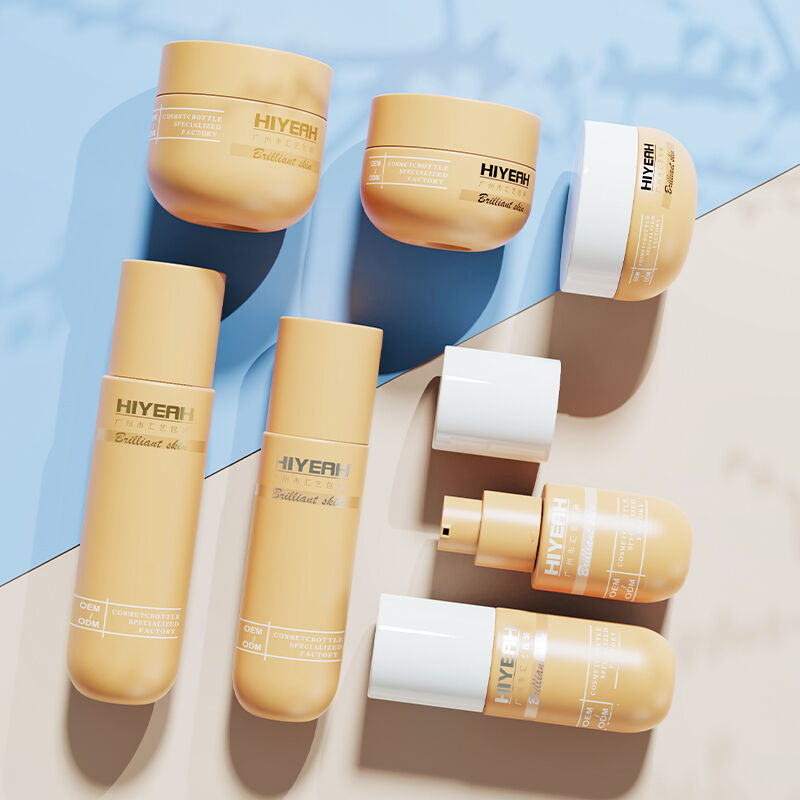
בחירת חומרי אריזות לטיפוח העור לשמירה על שלמות הנוסחה
התאמת תכונות המחסום ליציבות הרכיבים הפעילים (למשל, ויטמין C, רטינול, פפטידים)
בחירת חומרים שמשמרים חומרים פעילים דורשת התאמה בין תכונות החסימה לבין פגיעות כימיות. ויטמין C מתדרדר במהירות כאשר הוא מחשף לחמצן, ולכן דרושה אריזה בעלת חדירות כמעט אפס, כגון פוליאתילן טרפתאלט רב-שכבתי (PET) או אלומיניום. הרגישות של רטינול לאור UV דורשת זכוכית המניעה קרינה על סגולית (UV) או מערכות אירלייס אופקיות, בעוד שפלפטידים דורשים חומרים בעלי pH נייטרלי כדי למנוע денטורה. מחקר מדעי חומרים משנת 2023 מצא שפלפטידים שמרו על 95% מהפוטנציאל שלהם בזجاج מצופה לעומת 78% בפלסטיק סטנדרטי — מה שמצביע על כך ששיכבוץ הכימי של החומר הבסיסי משפיע ישירות על היציבות הפונקציונלית.
| תכונת החומר | ויטמין C | רטינול | פפטידים |
|---|---|---|---|
| מחסום חמצן | קריטי | בינוני | כך שהפלדה |
| הגנה מפני קרינת UV | בינוני | קריטי | בינוני |
| נייטרליות pH | כך שהפלדה | גבוהה | קריטי |
PET, זכוכית, אלומיניום ומערכות אירלייס: השוואה ביצועית נגד חמצון ופירוק על ידי קרינה فوق סגולה (UV)
בחירת החומר משפיעה ישירות על תקופת המגורים באמצעות הגנה מפני חמצון וקרינה על סגולית (UV):
- PET (פוליאתילן טרפטאלט) : מספקת ביצועי חסימה מתונים מול חמצן, אך דורשת תוספים מסננים ל־UV; מתאימה ביותר לסירומים מימיים עם תקופת מגורים קצרה.
- זכוכית טבעי בעל עמידות לקליטת UV — גרסאות אמבר חוסמות 99% מקרני ה-UV — אך מציג חדירות משתנה לחמצן בהתאם לעובי ולסיום.
- אלומיניום בלתי חדיר לחמצן ולאור, אך תרכובות חומציות עלולות לגרום לקורוזיה ללא שכבת סגירה פנימית מגנת.
- משאבות חסרות אויר משולבות מיכלים חסומים בפני קרני UV עם מנגנון ניפוח וריקון (vacuum dispensing) כדי להסיר לחלוטין את חשיפת הרכיבים במהלך השימוש, ומאריכות את תקופת ההישרדות של שמן המוטרדים על ידי חמצון פי שלושה בהשוואה לכלי פתוחים.
לא היו זמינים קישורים רשמיים תואמים עבור סעיף זה.
אשכורת תאימות הנוסחה לאביזר החבילה באמצעות בדיקות קפדניות
פרוטוקולי יציבות מאיצים (ISO 22716 + CPSC) בשלושת תנאי המתח
אימות תאימות אריזות לטיפוח העור דורש חשיפת המוצרים לסימולציות סביבתיות קיצוניות. פרוטוקולי יציבות מאוצצים סטנדרטיים לתעשייה משלבים את הנחיות ה-GMP לקוסמטיקה של ארגון התקינה הבינלאומי (ISO 22716) עם מדדי הבטיחות של המועצה להגנה על צרכנים (CPSC) בשלושה תנאי מתח קריטיים: מחזורי חום (מ-45° ל-10-°C), חשיפה לחומרת יחסית של 75% ולמחזורי קרינה על-סגולית מבוקרת. סימולציות אלו מקצרות את תהליך הזדקנות בזמן אמת של 18–24 חודשים ל-90 ימים בלבד — ומביאות לחשיפה מוקדמת לתופעות פגיעה כגון הפרדת פאזות, סחיפה ב-pH או אובדן החומר הפעיל. יצרנים המשתמשים בגישה המשלבת את שלושת תנאי המתח הללו מפחיתים את הסיכון לכישלון מוצר ב-47% לעומת בדיקות מבוססות גורם יחיד, על פי מחקר יציבות משנת 2023.
סינון חומרים נשלפים ונבעים באמצעות GC-MS עבור נוסחות רגישות לשמרנים
יעילות הנשמרים בתוספות לעור נפגעת על ידי אינטראקציות ייחודיות עם אריזות. GC-MS (כרומטוגרפיה גזית-ספקטרומטריית מסות) מאתרת נדידות כימיות ברמת רגישות של חלקים לטריליון — ומזהה חומרים שניתן לשלוף (חומר המופרש תחת מתח) וחומרים הניתנים לנטישה (חומר המנדד במהלך השימוש הרגיל), שעלולים לפגוע במערכות הנשמרים. עבור תוספות ללא פרבנים או תערובות נשמרים טבעיים, דרישה לקביעת פרופיל מקיף של חומרים שניתן לשלוף והניתנים לנטישה היא חיונית כדי למנוע נייטרול של פעילות האנטימיקרוביאלית ולשמור על הסטריליות. אריזות שלא עברו סינון תורמות ל-32% מהכשלים במערכות הנשמרים בסירומים ובקרמים, על פי מחקרים פורמוליים שפורסמו בעיתונים אקדמיים.
עיצוב מבנה אריזות לעור בהתאם לצמיגות, לאופן ההפעלה ולהיגיינה
מטריצת בחירת מפזרים: טונרים (סプレー/אבקה) עד קרמים (ללא אוויר/מפזר לחץ) ועד סירומים (מפזר טיפת-נוזל/ללא מגע)
אריזת טיפול בעור אפקטיבית חייבת להתאים את מנגנון המפזר לעקביות הנוזל, לצרכים של יציבות וההתנהגות של המשתמש. טונרים דמויי מים נהנים ממפריצים עדינים לרסיסים קלים שמבטיחים כיסוי אחיד על הפנים וספיגה מהירה. קרמים ולחשים עבים יותר דורשים משאבות חסרות אויר או מערכות מפעילה כדי למנוע זיהום, לשלוט בכמות התרופה ולבטל את החשיפה לחמצן. סרומים בעלי עוצמה גבוהה דורשים מדבקות מדויקות או יישומים ללא מגע — מה שמפחית בזבוז ומשמר את הרכיבים הפעילים על ידי הסרת מגע באצבעות. מפזרים לא מתאימים מרגיזים את המשתמשים: 73% עוזבים מוצרים שמעבירים פחות מ-30% מהכמות המיועדת (Packaging Digest 2023). השתמשו במסגרת זו כדי להנחות את הבחירה:
| סוג מוצר | טווח ויסקוזיות | מפזר אידיאלי | הטובה העיקרית |
|---|---|---|---|
| טונרים/אסנסים | נמוך (דמוי מים) | מפזרי רסיס עדינים | החלת שווה; ספיגה מהירה |
| קרמים/לחשים | בינונית עד גבוהה | משאבות חסרות אויר/מערכות מפעילה | מניעת זיהום; שליטה בכמות התרופה |
| סרומים/אמפולות | משתנה (לרוב נמוך) | מזרקים/קצות ללא מגע | מדידת מדויקת; שומרת על הרכיבים הפעילים |
יישור זה מבטיח משלוח היגייני, תומך בשלמות הנוסחה ומקיים את ציפיות הצרכן לפונקציונליות אינטואיטיבית.
יישום מערכות אריזה להיגיינה ולטיפוח העור המבוססות על הצרכן
מערכות אריזה היגייניות מאריכות את יעילות המוצר על ידי חסימה של פתוגנים חיצוניים וצמצום החשיפה לאוקסידציה — משאבות ללא אוויר וصمامים חד-כיווניים מצמצמים את האוקסידציה עד ב-90% בהשוואה לכלי מסורתיים. העיצוב הממוקד המשתמש מעניק עדיפות לנגישות באמצעות צורות ארגונומיות, אחיזות לא מחליקות ומехניזמים אינטואיטיביים: מזרקים לסרומים, מפזרים באדים דקיקים לטונים ותפעול ביד אחת לסדרות יומיומיות. תכונות כוללניות — כולל תוויות ברייל, הדפסה בהיררכיה גבוהה, ומכסי בטיחות לילדים — עונות לצרכים מגוונים של משתמשים תוך תמיכה בהתאמות רגולטוריות ובבטיחות ביתית. מערכות מפלצות מדויקות מספקות מנות עקביות (למשל, דיוק של 0.05 מ"ל עבור חומרים פעילים חזקים), ואפליקטורים ללא מגע מונעים מגע ישיר — שומרים על טהרה ומקטינים את עומס המיקרובים. מחקר צרכנים מראה כי 78% מהצרכנים מעדיפים אריזות שפושטות את הסדרות היומיומיות עם עיצובים ניידים וחסיני דליפת, וקלות בשימוש, מה שממחיש כי פונקציונליות מתחשבת בונה אמון ונאמנות ארוכת טווח.
היענות לדרישות הרגולטוריות הבינלאומיות להדפסת תווית אריזות לעור
הנחיית הרגולציה הבינלאומית לאריזות לעור דורשת תשומת לב מחמירה לשלושה עמודי תווך. ראשית, INCI (הסימונים הבינלאומיים של רכיבי קוסמטיקה) היא דרישה המבטיחה הצהרה סטנדרטית ושקופה על הרכיבים — מה שמהווה קריטי לביטחון הצרכן ולגישה לשוק. אי-היענות עלולה לגרום לקנסות של הסוכנות האמריקאית למזון והתרופות (FDA) בשווי העולה על 500,000 דולר אמריקאי. שנית, מערכות איתור אצווה חזקות, מערכות איתור אצווה , אשר מתפקדות באמצעות קודים QR או מזהים אלפאנומריים, מאפשרות ביצוע משיכות ממוקדות ומהירות במקרה של זיהום — ובכך מפחיתות את החשיפה לתביעות באחוזים של 78%, לפי דו"ח הביטחון הקוסמטי לשנת 2024. שלישית, רשימת ביקורת לדיילין לשוק כפול, רשימת ביקורת דיילין לשוק כפול מבהירה את ההבדלים המרכזיים בין דרישות ה-FDA לבין דרישות ה-CPNP האירופאי (פורטל الإعلام על מוצרים קוסמטיים),
| דרישה | ה- FDA (ארצות הברית) | ה-CPNP האירופאי |
|---|---|---|
| היררכיה של התוויות | משקל נטו לפני הגשת תביעות | תביעות לפני התוכן הנטו |
| גילוי אלרגנים | רשות (למעט אלרגני ריח) | 26 אלרגנים חובה ברשימה |
| פורטל הודעה | רשום באופן רצוני | הגשה חובה לפני השוק |
להעדיף דיו וlaminate יציבים ל-UVA כדי להגן על קריאות התווית ועל שלמות הרכיבים לאורך זמן. אוטומציה של תיעוד מנות ואימות דיאגרמת המבנה מונעת 43% מהעיכובים בהגבהה – והופכת את הדקדקנות הרגולטורית ליתרון תפעולי.
שאלות נפוצות
אילו חומרים מתאימים לאחסון מוצרים לטיפוח העור שמכילים ויטמין C?
מומלץ להשתמש בחומרים כמו PET רב-שכבתי או אלומיניום לאריזת ויטמין C בשל חדירותם הקרובה לאפס, אשר מגינה מפני חמצון מהיר.
איך אפשר להגן על רטינול באריזות לטיפוח העור?
לרטיינול נדרשים חומרי אריזה החוסמים קרינה فوق סגולה, כגון זכוכית או מערכות אטומות אטמוספריות אופקיות, כדי להקטין את רגישותו לאור.
אילו שיטות בדיקה משמשות כדי להבטיח תאימות של האריזה עם تركובות לטיפוח העור?
פרוטוקולי יציבות מאיצים, כולל מחזורי חום, חשיפה לחumidity ולקרינה فوق סגולה, משמשים לאישור התאימות בין האריזה למוצרים לטיפוח העור.
למה חשוב לבצע סריקה למציאת חומרים שניתן לשלוף (extractables) וחומרים הנבעים מהתנעה (leachables) באריזה?
סריקת GC-MS עוזרת לזהות נדידת כימיקלים שעלולה לפגוע במערכות השמירה, במיוחד בתרכובות הרגישות לאינטראקציות עם האריזה.
תוכן העניינים
- בחירת חומרי אריזות לטיפוח העור לשמירה על שלמות הנוסחה
- אשכורת תאימות הנוסחה לאביזר החבילה באמצעות בדיקות קפדניות
- עיצוב מבנה אריזות לעור בהתאם לצמיגות, לאופן ההפעלה ולהיגיינה
- יישום מערכות אריזה להיגיינה ולטיפוח העור המבוססות על הצרכן
- היענות לדרישות הרגולטוריות הבינלאומיות להדפסת תווית אריזות לעור
- שאלות נפוצות