 EN
EN

סטנדרטים לגודל דוגמיות קוסמטיות ודרישות ניידות
נפחי בקבוקים קטנים סטנדרטיים בתעשייה לדוגמיות קוסמטיות (5–10 מ״ל)
הטווח של 5–10 מיליליטר הוא הסטנדרט התעשייתי לדוגמיות קוסמטיות, ומייצג איזון אופטימלי בין עמידה בתקנות, נוחות לשימוש על ידי הלקוח והתייעלות עלות. גודל זה תואם את תקנות התחבורה הבינלאומית – כולל כלל ה-3-1-1 של ה-TSA (שמגביל את כמויות הנוזלים למכילים בגודל 100 מיליליטר/3.4 אונציית נוזל) – ומבטיח קבלת חפצים ללא בעיות בתיקי יד. הוא מספק כמות מספקת של מוצר ל-5–7 שימושים אפקטיביים, תוך מינימיזציה של צריכת חומר ומשקל המשלוח – יתרונות מרכזיים בתוכניות דוגמיות בהיקף גבוה. עבור تركובות חזקות כגון סירומים וחומרים פעילים, נפח של 5 מיליליטר מספק כמות מספקת להדגמת האפקטיביות, בלי לספק יותר מדי או לבזבז. הממדים הקטנים שלו משפרים גם את ההשפעה החזותית במקררים במרחבים קמעונאיים, והוא מתאים באופן אפקטיבי לתיבות מנוי ולערכות דוגמיות.
איך ניידות וחוות המשתמש מגדירים את הציפיות לעיצוב בקבוקים קטנים
נשיאות אינה קשורה רק לגודל — היא דרישה תכנונית כוללת. אטמים חסיני דליפות הם חיוניים: מחקר מראה ש-78% מהצרכנים משליכים דוגמיות שדליפות ומרחיבות על תיקי אישיים (Packaging Digest, 2023). הארגונומיה מובילה את היכולת לשימוש — מזרקים מת narrower מאפשרים הפעלה מדויקת; קצוות מעוגלים ומאזן משקל משפר את הנוחות בהחזקת הבקבוק בכיס או בתיק; אחיזות מוטבעות או משאבות עם חריץ לאגודל תומכות בהפעלה ביד אחת. בחירת החומר משפיעה על התפיסה והפונקציונליות: PET קל משקל מצטיין בהקשרים של נסיעות, בעוד זכוכית עד 10 מ"ל שומרת על המראה הפרימיום ללא פגיעה בנשיאות. התעלמות מפרטים אלו קשורה לירידה של 34% בהמרה מניסוי לקנייה (McKinsey, 2022), מה שממחיש כיצד החוויה החושית משפיעה ישירות על נאמנות המותג.
סוגי הבקבוקים הקטנים המובילים לדגימות קוסמטיות
בקבוקי מזרק: הפצה מדויקת בפורמטים קומפקטיים של בקבוקים קטנים
בקבוקי דרופר — בדרך כלל בגודלים של 5–10 מ״ל — הם הסטנדרט האולימפי לסירומים, שמן ונוסחאות מרוכזות במיוחד כמו ויטמין C או רטינול. הפיפטים הזכוכיתיים שלהם מספקים מידה מבוקרת, טיפה אחר טיפה, מה שמפחית בזבוז וסיכון לזיהום עקב מגע יד ישיר. גרסאות זכוכית אמבר או כחולה-קוברalt מספקות הגנה קריטית מפני קרינה فوق סגולה לרכיבים רגישים לאור. דיוק זה תומך הן בייעילות קלינית והן בחווית יישום פרמיום, דומה לזו של ספא — מה שהופך את הדרופרים לאידיאליים במקרים שבהם דיוק המינון ושימור האינטגריות של הרכיבים הם חובה.
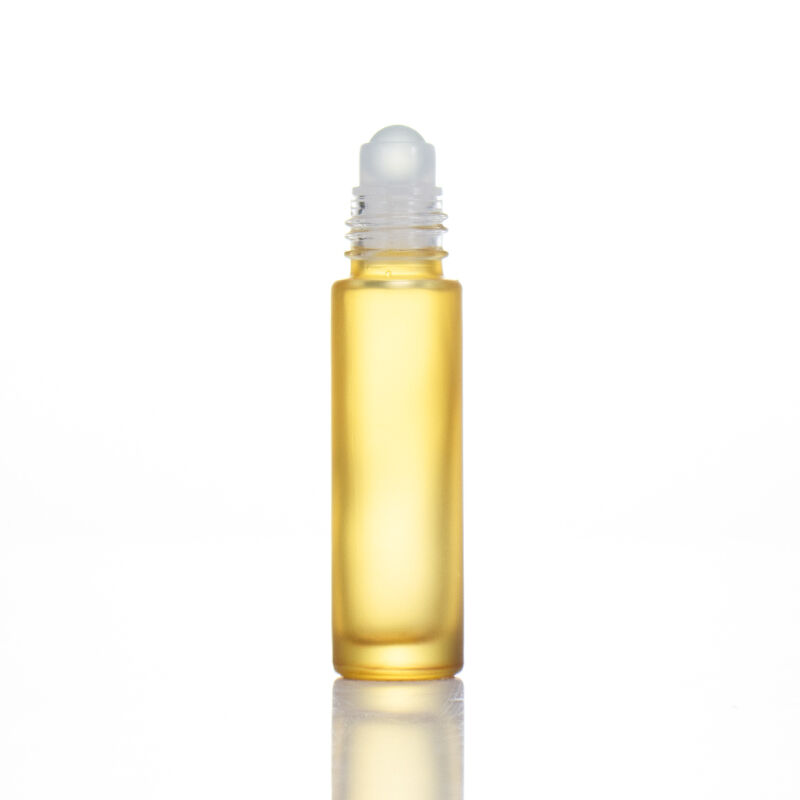
בקבוקי רול-און: יישום ממוקד עם עיצוב בקבוק קטן ונוח להחזקת יד
בקבוקי רול-און ממירים מוצרים נוזליים לטיפולים ממוקדים וחופשיים מבליטות באמצעות אפליקטורים כדוריים מפלדת אל חלד או מקרמיקה. הם מעוצבים לשימוש מקומי — תחת העיניים, הגבות, נקודות הפעימה — ומציעים שלושה יתרונות פונקציונליים: הקלה קרה לדלקת, ספיגה משופרת דרך מסאז' עדין, ומדידת דוזה עקבייה שמניעה יישום יתר. הצורה הקומפקטית שלהם (בדרך כלל פחות מ-15 מ"ל) מאפשרת להכניסם בקלות לתיקים, כיסים או תיקי נסיעות. כובעים ארגונומיים ומנגנוני גלישה חלקים מבטיחים שימוש אינטואיטיבי ביד אחת בלבד — אידיאלי לדיוקיות מהירה בדרכים ולשימוש על עור רגיש.
בקבוקי משאבה ללא אוויר (15 מ"ל–30 מ"ל): פונקציונליות פרימיום של בקבוק קטן עם אחריות נגד דליפות
טכנולוגיית משאבה ללא אוויר מספקת שימור ודיוק מתקדמים בפורמטים מתאימים לנסיעה. מערכת הוויקואום המוגנת חוסמת את החשיפה לאויר, ומונעת חמצון ומאריכה את תקופת ההישרדות של חומרים פעילים רגישים לחמצן, כגון פפטידים או חלקי צמחייה. היא מפיקה 100% מהמוצר – ללא שאריות הנכלאות בזויות – ומבטיחה אטימות מלאה במהלך התחנה. בגדלים של 15 מ"ל–30 מ"ל, המשאבות ללא אוויר תומכות בקרמים ולוטיונים בעלי ערך גבוה יותר, מבלי להתפשר על בקרת המינון. מנגנון המשאבה החד-כיווני גם חוסם חדירה של חיידקים, מה שהופך אותה לבחירה המועדפת עבור تركובות עם כמות מינימלית של שמרים או تركובות אורגניות הדורשות יציבות מקסימלית.
התאמת עיצוב הבקבוק הקטן לתכונות המוצר
בחירת העיצוב הנכון של בקבוק קטן תלויה בהזדהות בין התכונות הפיזיות של המוצר לצרכים האמתיים בשימוש היומיומי. נוזלים בעלי צמיגות נמוכה — כגון טונרים או סרומים מבוססי מים — דורשים קצות מזרקים למתן מדויק וחופשי מנזילות. تركובות עבות יותר, כמו קרמים לחות או באלמים, פועלות בצורה הטובה ביותר במשאבות חסרות אוויר, אשר מונעות חמצון ומבטיחות את הוצאת כל המוצר. רכיבים רגישים לאור דורשים חומרים החוסמים קרינה על-סגולית (למשל, זכוכית אמבר), בעוד שפתרונות יציבים מבוססי מים יכולים להשתמש בבטחה בחומר קל wie PET. ההקשר ליישום מעמיק עוד יותר את הבחירה: מזרקים עם כדור מתכת מתאימים במיוחד לאזורים ממוקדים, כגון מתחת לעיניים או בצלעות הראש, בזכות פעולת הקירור של הכדור המתכתי וההספקה הממוקדת; לעומת זאת, כיסויי ספריי מתאימים למיסטים לגוף ולכיסוי שטחים גדולים. לבסוף, הארגונומיה חייבת להתאים את תרחישי השימוש — גודלים ידידותיים לנסיעה, מתחת ל-10 מ"ל, נותנים עדיפות למניעת דליפת נוזלים ולקלות בהכנסה לכיס, בעוד שקבוצות דגימות מוערכות מפיקות תועלת מאורך אחיד של הבקבוקים כדי להבטיח תצוגה מאוחדת ויעילות באספקה.
| מאפיין מוצר | תגובת עיצוב הבקבוק | השפעה על חווית המשתמש |
|---|---|---|
| קשיחות | מזרק (דק) / משאבה (עבה) | מניעת נסיגות; מבטיחה דיוק במינון |
| רגישות לאור | זכוכית חומה / חומרים אטומים | משמרת את יציבות הרכיבים ויעילותם |
| תחום יישום | רול-און (מקומי) / סプレー (רחב) | משפרת דיוק, כיסוי או השפעה מקררת |
עלות, רציפות סביבתית ויכולת הרחבה של אריזת בקבוקים קטנים
החלפות בחומר: PET, זכוכית ופלסטיק PCR בייצור בקבוקים קטנים
בחירת החומר לבקבוקי קוסמטיקה קטנים כוללת הסתכלות אסטרטגית על פשרות בין עלות, רציפות סביבתית ויכולת הגדלת ייצור. פוליאתילן טרפתאלט (PET) מציע מחיר נוח וביצועים קלים (~0.16–0.30 דולר ליחידה של 250 מ"ל), תומך ביצירת דפוסים במהירות גבוהה ובהוצאות נמוכות להובלה. זכוכית מספקת אותות חושיים ופרמיומים בלתי מתחרים, אך גורמת להוצאות גבוהות יותר בייצור והובלה — ודורשת טיפול זהיר בשל שבריריותה. פלסטיק מחזור מהצרכן (PCR) עונה על דרישות ESG צומחות ומפחית את ההשפעה הסביבתית, אם כי שרשרת האספקה שלו מורכבת יותר ואיכותו משתנה.
| חומר | עלות לקילוגרם | פרופיל רציפות | גורם התרחבות |
|---|---|---|---|
| פיט | 1,300–3,000 דולר | מחזוריות בינונית | עיצוב בזריקה בכמויות גדולות |
| זכוכית | 2,200–4,000 דולר | ניתן להחזרה אינסופית | שבריריות מגבילה את ההצבה המרובה והלוגיסטיקה |
| פלסטיק מחזור (PCR) | 1,500–3,500 דולר | הפחתה של עד 34% בפליטות פחמן לעומת פלסטיק חדש (ניתוח מחזור חיים, 2024) | תלוי בתשתיות המחזור המקומיות |
יעילות בעיצוב—כגון גאומטריות שמתאפשר לערום אותן אחת על השנייה ועובי דפנות מותאם אופטימלית—יכולה להפחית את עלויות האחסון והמשלוח ב-18–22% (דוח יעילות אריזה, 2024) ללא פגיעה באיכות וביציבות המוצרים. ככל שמותגים מתרחבים, שילוב ניתוח מחזור חיים מאשר כי בקבוקים קטנים מבוססי PCR מקדמים באופן משמעותי את היעדים האקלימיים תוך שמירה על ביצועים פונקציונליים—מה שהופך אותם ליותר פרקטיים לתכניות דגימה רגילות.
שאלה נפוצה
מהם גדלי הדגימות הקוסמטיות הסטנדרטיים?
הגודל הסטנדרטי בתעשייה לדגימות קוסמטיות הוא בין 5 מ"ל ל-10 מ"ל, מה שמאזן את התועלת למשתמש, את ההתאמה לתקנות ואת היעילות הכלכלית.
למה חשובה ניידות הבקבוק בדגימות קוסמטיות?
ניידות היא קריטית מכיוון שהיא משפיעה על היכולת של הצרכן לקחת את המוצרים בנסיעות, ומבטיחה שימוש מעשי תוך שמירה על שלמות העיצוב כדי למנוע דליפות.
אילו סוגי בקבוקים מתאימים ביותר לרכיבים רגישים לאור?
זכוכית אמבר או חומרים אטומים הם הטובים ביותר לרכיבים רגישים לאור מכיוון שהם שומרים על יציבות ויעילות הרכיבים.
אילו חומרים נפוצים לשימוש בקבוקונים קוסמטיים קטנים?
חומרים נפוצים כוללים PET, זכוכית ופלסטיק PCR, כאשר לכל אחד מהם פגמים ספציפיים מבחינת עלות, ידידותיות לסביבה ויכולת הרחבה.