 EN
EN

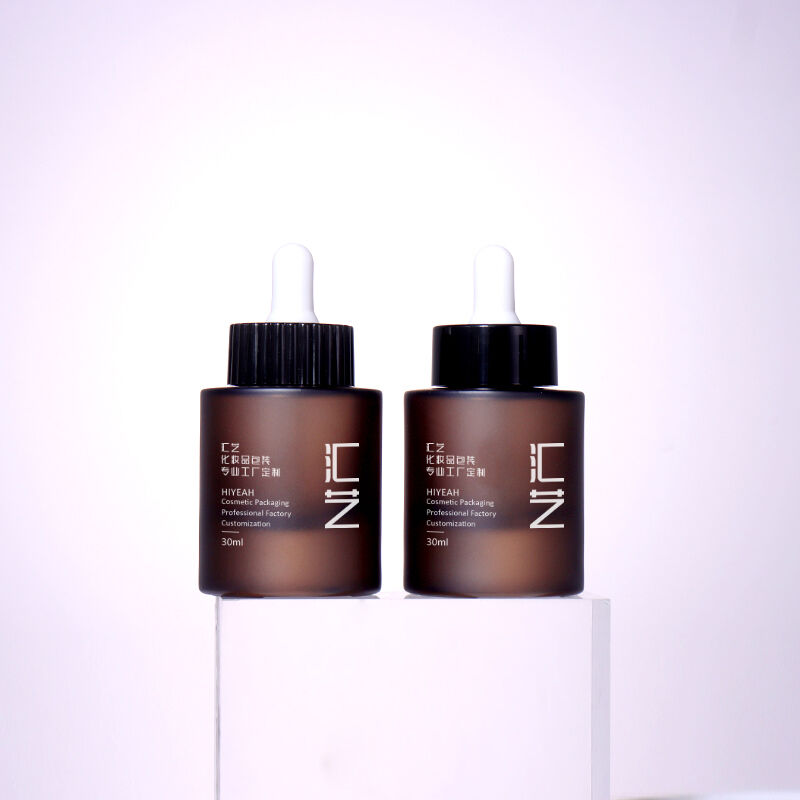
Materialkompatibilitet: Varför glas är avgörande för stabiliteten hos essentiella oljor
Inert glas jämfört med plast: Förhindra kemisk utlakning och oxidation
Glas är kemiskt inaktivt och bildar en icke-reaktiv barriär som förhindrar att essentiella oljor interagerar med behållarmaterial. Detta eliminerar kemisk utlakning—till exempel ftalater eller bisfenoler som frisätts av plast—och blockerar syrens genomtränglighet långt effektivare än polymeralternativ. Ämberglas blockerar särskilt mer än 97 % av UV-ljuset (OthilaPak 2023), vilket avsevärt bromsar fotooxidativ nedbrytning. I motsats till detta tillåter vanliga plaster som PET och LDPE mätbar syrenfiltration, vilket accelererar nedbrytningen av flyktiga föreningar. För oxidationssårbara citrusoljor—som bryts ner upp till 40 % snabbare än andra sorters oljor—är glas inte bara att föredra; det är grundläggande för att bevara den terapeutiska integriteten.
När (om någonsin) UV-stabiliserad HDPE kan vara acceptabel — endast i begränsade användningsfall
Polyeten med hög densitet (HDPE) med UV-inhibitorer har en begränsad användning: endast för kortfristig massförsändelse (under 30 dagar) av oljor med låg terpenhalt, t.ex. vetiver, eller tillfällig industriell dosering där risken för sprickbildning väger tyngre än stabilitetskraven. Även UV-stabiliserad HDPE tillåter en syrenpermeabilitet på 0,5–2 % per månad (Roetell Packaging Studies 2023), jämfört med glas som nästan helt saknar permeabilitet. Den är kategoriskt olämplig för detaljhandelsförpackningar eller konsumentorienterade droppflaskor – där regleringsenlighet, renhetsgaranti och konsekvent hållbarhet kräver den beprövade prestandan hos glas.
Ljusprotektion: Brun- och koboltblå glasdroppflaskor för UV-resistens
Effektivitet hos brunglas: Vetenskapligt belagd UV-blockering och utökad oxidativ hållbarhet
UV-strålning utlöser snabb oxidativ nedbrytning av essentiella oljor, vilket minskar deras effekt och förkortar den användbara hållbarheten. Droppflaskor av brunt glas blockerar mer än 99 % av skadlig UV-strålning under 450 nm – vilket effektivt hämmar foto-kemiska reaktioner som driver nedbrytningen. Peer-reviewade stabilitetsstudier visar att brunt glas förlänger den oxidativa stabiliteten med upp till 24 månader jämfört med oskyddad förvaring och minskar nedbrytningshastigheten med ≥90 %. Även om koboltglas erbjuder en måttlig UV-dämpning begränsar dess högre genomsläpp av blått ljus pålitligheten vid förvaring av känsliga oljor som bergamott eller citron. För konsekvent, evidensbaserad skydd – särskilt i terapeutiska eller kliniska sammanhang – är brunt glas fortfarande branschens referensstandard. Att kombinera det med en lufttät försegling förstärker ytterligare bevarandet genom att minimera samtidiga nedbrytningsvägar drivna av både ljus och syre.
Precisionsdosering: Droppfunktion för säker och kontrollerad användning av essentiella oljor
Anpassa droppflödeshastigheten till oljans viskositet och kraven på doseringsnoggrannhet
Eteriska oljor varierar kraftigt i viskositet – från tunna, flyktiga citrusoljor (<15 cP) till tjocka, harliga vetiveroljor (≥30 cP) – vilket kräver särskilt utformade dropppipetter för att säkerställa säkerhet och noggrannhet. Tjockare oljor kräver spetsar med större öppning för att bibehålla ett pålitligt flöde; tunnare oljor kräver insatsar med smalare spets för att förhindra oavsiktlig överdosering. En avvikelse på 0,05 ml kan motsvara en dosavvikelse på 20 % vid användning av mycket kraftfulla oljor som kryddnejlika eller pepparmynta – vilket innebär verkliga säkerhetsrisker. Graduerade pipetter minskar mätfelet med 62 % jämfört med icke-märkta dropppipetter vid terapeutisk blanding (branschens fältdata), medan kalibrerade europeiska dropppipetter uppnår en volymnoggrannhet på ±2 % via hydrodynamisk luftfördrängning. För allmän aromaterapi är standardglasdropppipetter tillräckliga; för kliniskt bruk eller formuleringar rekommenderas starkt farmaceutiska pipetter av högsta kvalitet.
Storlek, försegling och standardisering: Viktiga praktiska faktorer vid val av droppflaska
Optimalt volymområde (5–15 ml) och 18 mm DIN-halsstandard för lufttät försegling
Volymområdet 5–15 ml återspeglar en balans mellan användbarhet och bevaringsvetenskap. Flaskor under 5 ml ökar förhållandet mellan yta och volym, vilket accelererar oxidationen; flaskor över 15 ml introducerar för mycket syre i luftutrymmet vid varje öppning – vilket minskar terpenretentionen med 15 % efter sex månader jämfört med 10 ml-behållare (data från stabilitetsprovning).
18 mm DIN-standard (Deutsches Institut für Normung) för halsen säkerställer universell kompatibilitet med exakt tillverkade, läckagefria droppmonteringar. Dess koniska geometri ger:
- Lufttäta förseglingar skapar gränssnitt som är kompatibla med vakuum, t.ex. med gummipumpar och kapslar med PTFE-foder
- Konsekvent dosering möjliggör utbytbara komponenter med bibehållen kalibrering mellan olika partier
- Ångningskontroll laboratorieverifierad volymförlust på < 0,5 % per månad i system som följer DIN-standard
Tillsammans minimerar optimal storlek och DIN-standardiserad försegling syret i luftutrymmet och förlusten av flyktiga ämnen – vilket minskar den totala nedbrytningen med upp till 40 % jämfört med icke-standardiserad förpackning, enligt forskning om essentiella oljors stabilitet.
FAQ-sektion
Varför föredras glas framför plast för förvaring av essentiella oljor?
Glas föredras eftersom det är kemiskt inaktivt, vilket innebär att det inte reagerar med essentiella oljor och därmed förhindrar kemisk utlakning och oxidation som kan uppstå vid användning av plast.
Vilka fördelar erbjuder brunglasflaskor för förvaring av essentiella oljor?
Brunglasflaskor blockerar mer än 99 % av skadlig UV-strålning, vilket avsevärt förlänger den oxidativa stabiliteten och hållbarheten för essentiella oljor jämfört med oskyddad förvaring.
Kan några typer av plast säkert användas för förvaring av essentiella oljor?
Endast UV-stabiliserad HDPE får användas för tillfällig, korttidig förvaring av vissa oljor, men den är i allmänhet olämplig för detaljhandelsförpackning på grund av dess syrgenpermeabilitet.
Hur påverkar droppflaskans storlek bevarandet av essentiella oljor?
Flaskor i storleksintervallet 5–15 ml optimerar användbarheten och bevarandet genom att minimera oxidation och syreinnehållet i luftutrymmet, vilket hjälper till att bibehålla oljans egenskaper.
Innehållsförteckning
- Materialkompatibilitet: Varför glas är avgörande för stabiliteten hos essentiella oljor
- Ljusprotektion: Brun- och koboltblå glasdroppflaskor för UV-resistens
- Precisionsdosering: Droppfunktion för säker och kontrollerad användning av essentiella oljor
- Storlek, försegling och standardisering: Viktiga praktiska faktorer vid val av droppflaska
- FAQ-sektion