 EN

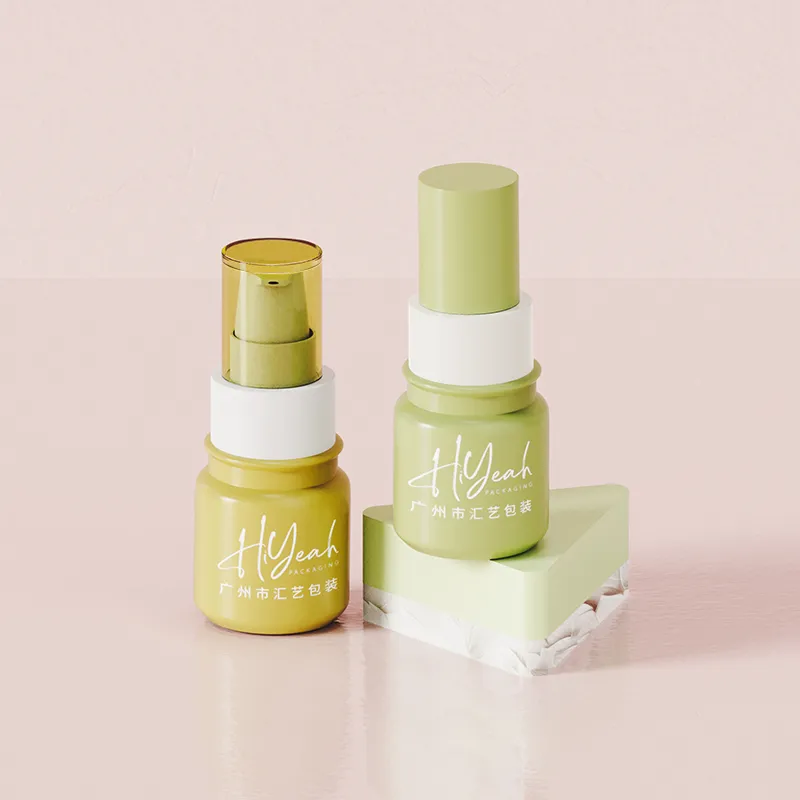
Multi Specification Small Bottle Covers Diversified Trial Demands
A Sampling Campaign That Hit Every Channel
A clean-beauty label needed one small bottle family to serve a 5 ml influencer drop, a 10 ml subscription trial, and a 30 ml travel retail size. Earlier they had sourced each size from a different vendor, so caps never matched and shelf photos looked inconsistent. By standardizing on a shared 20/410 neck across the small bottle range, the brand cut tooling and unified the look. A multi-spec small bottle strategy turns trial demand from a logistics headache into a single planned system.
Risk of Fragmented Small Bottle Sizing
Scattered sizing creates silent costs. Different necks mean different caps, different labels, and different minimums. A wrong volume on a small bottle can breach trial-size labeling rules or disappoint a buyer expecting more. The risk is not the tiny format—it is the lack of a plan that lets each size drift on its own.
Inconsistent Necks and Caps
When every small bottle uses a unique neck, caps cannot be shared and quality varies between suppliers. A 10 ml unit may seal tighter than a 30 ml unit from another vendor, producing uneven leak rates. Standardizing the neck across the small bottle range stabilizes both cost and performance.
Label and Volume Errors
Mini formats leave little room for mandated text. A 5 ml small bottle that crams full labeling risks illegible type or omitted warnings. Volume misprints also trigger retail rejection. Planning label artwork per size before tooling prevents these avoidable failures.
Planning a Small Bottle Range
A smart small bottle range follows a volume ladder that matches how buyers try, travel, and commit. The ladder also informs material and decoration choices so the smallest unit still feels intentional, not like an afterthought.
Volume Ladder Logic
Common steps are 5 ml for samples, 10–15 ml for trials, 30 ml for travel, and 50 ml for commitment. Each small bottle should earn its place by a clear job: sampling, gifting, or retail. Dropping sizes that do not convert keeps the range lean and the warehouse simpler.
Material Choices for Minis
Glass reads premium but weighs more; PET and rPET cut freight for a small bottle shipped in bulk. For oils, amber or UV-tinted glass protects the formula even at 5 ml. Matching material to formula sensitivity keeps the small bottle both safe and affordable across the ladder.
Rules That Govern Small Bottle Fills
ISO 22715:2016 sets packaging requirements for cosmetics, including leak resistance and labeling space that matter on tiny formats. FDA 21 CFR 700 and EU 1223/2009 define safety and labeling duties. Fill-volume accuracy matters more on a small bottle, where a 1 ml error is a large percentage of claim.
Fill Volume and Labeling
A 10 ml small bottle filled to 9 ml understates the offer; overfill risks leakage. Net-content rules require the declared volume to be present. Artwork must carry warnings at legible size, so plan label panels per size early and verify with a printed proof before production.
Safe Handling on Line
OSHA 29 CFR 1910.1200 (HazCom) governs concentrated fragrance and preservative handling during filling. Mini lines run fast, so clear labeling and ventilation protect workers and prevent contamination that would compromise every small bottle in the batch.
Building a Trial-Ready Set
A multi-spec small bottle program is easier with a supplier that documents necks, volumes, and compliance. Hiyeah and comparable suppliers publish mini-spec tables that help brands map a complete trial ladder without guesswork.
Selection Advice
Choose a shared neck standard (20/410 or 24/410) across the small bottle range. Select materials by formula: amber glass for oils, rPET for lightweight trials. Confirm each size meets ISO 22715 and regional labeling before committing tooling.
Inspection Advice
Weigh filled units to confirm net volume within tolerance. Drop-test the smallest small bottle from 1.2 m, since thin walls are most at risk. Check label legibility and cap torque on every size in the set.
Usage Advice
Ship minis in padded trays to avoid cap impact. Store the small bottle range away from heat to protect formulas and adhesives. Rotate stock by fill date so the oldest trials leave first and stay within shelf life.
Maintenance Advice
Keep a retained sample of each small bottle size per lot for traceability. Audit supplier defect rates quarterly and renegotiate at volume breaks. Review the size ladder each season and retire sizes that no longer convert.
Frequently Asked Questions
Question: What sizes should a small bottle trial set include?
Answer: A practical small bottle ladder covers 5 ml for samples, 10–15 ml for trials, 30 ml for travel, and 50 ml for commitment. Each size should serve a clear job—sampling, gifting, or retail—not just exist. Keeping a shared neck across the small bottle range lets one cap fit all and simplifies both production and shelf presentation.
Question: Can different small bottle sizes share one cap?
Answer: Yes, if they share the same neck standard such as 20/410 or 24/410. A shared neck lets one cap fit every small bottle in the range, cutting tooling and unifying the look. Mixing necks across sizes forces separate caps and creates uneven seal quality. Standardizing the neck is the simplest way to control cost and performance.
Question: Does a small bottle need full labeling?
Answer: Yes. Even a 5 ml small bottle must carry required warnings and net content at legible size under FDA 21 CFR 700 and EU 1223/2009. Tiny formats need planned label panels and sometimes smaller but compliant type. Request a printed proof per size to confirm legibility before production, since cramped artwork is a common retail rejection cause.
Question: Is glass or plastic better for mini bottles?
Answer: Glass reads premium and protects light-sensitive oils, but weighs more and costs more to ship. PET or rPET suits lightweight small bottle trials and bulk sampling. For essential oils, amber or UV-tinted glass is safer even at 5 ml. Match material to formula sensitivity and freight budget rather than defaulting to one option across the range.
Question: How accurate must fill volume be on minis?
Answer: The declared net content must be present in every small bottle, and overfill risks leakage while underfill breaches labeling rules. Because a 1 ml error is a large share of a 5 ml unit, inline check-weighing matters more on minis. Weigh samples from each lot and keep records to defend claims during retail or customs audits.
Question: What standards apply to a small bottle for cosmetics?
Answer: ISO 22715:2016 covers cosmetic packaging safety and labeling space; ASTM D543 applies for chemical resistance; FDA 21 CFR 700 and EU 1223/2009 set regional rules. REACH limits coating and metal content. A compliant small bottle meets these so it clears customs and retail quality checks, and protects the formula inside during its short but visible life.