 EN
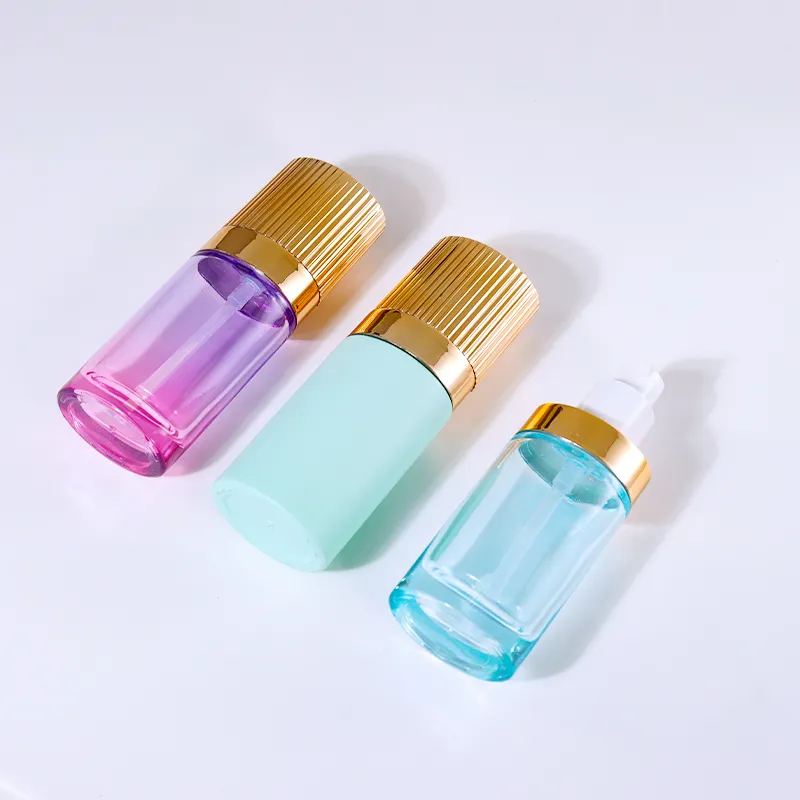
Frosted Foundation Bottle Creates Minimalist and Fashionable Styling
A Relaunch That Quietly Sold Out
A Korean cushion brand redesigned its matte line around a frosted foundation bottle with a soft-touch pump. The previous clear bottle tested well but photographed flat on social feeds. After the switch, the frosted foundation bottle became the hero shot across beauty accounts, and the SKU sold through two months early. The glass did not change the formula—it changed perception. A foundation bottle is often the first thing a buyer touches and the last thing they remember.
Risk Behind the Frosted Look
A frosted foundation bottle looks effortless, but the finish carries real engineering choices. A weak coating can chip at the pump thread; an over-etched wall can thin the glass and raise breakage. The risk is that styling wins the photo and loses the shelf. Specifying a foundation bottle needs the same care as specifying the formula.
Coating vs Etched Glass
Spray-coated frosting is cheaper and uniform but can scratch if the coating is thin. Acid-etched frosting is permanent and premium but costs more and slightly weakens thin walls. A foundation bottle meant for daily pump use should favor a durable finish that survives cap torque and countertop bumps.
Breakage and Grip Trade-Offs
Frosting adds microscopic texture that improves grip, which helps a slippery foundation bottle in a wet bathroom. But frosted glass hides micro-cracks less well under inspection. Buyers should request a drop-test report and confirm the frosted foundation bottle meets the same impact standard as its clear counterpart.
Why Frosting Reads as Premium
Frosted surfaces scatter light, softening reflections and hiding liquid level changes that can signal use-up anxiety. The matte look pairs with minimalist branding and reduces the need for heavy printed decoration. A well-executed foundation bottle in frosted glass signals restraint—a trait buyers read as higher quality.
Light Diffusion and Texture
The micro-rough surface of a frosted foundation bottle diffuses studio light, giving flat-lay photos a soft, editorial feel. That texture also masks fingerprints better than clear glass, keeping the product photogenic between shoots and on shelf.
Decoration Compatibility
Frosting accepts screen print and hot-foil well, but coverage needs testing on the textured surface. A foundation bottle with a two-step finish—frost plus one-color print—often looks more considered than a fully printed clear bottle, at a similar cost.
Standards for Safe Glass Packaging
ISO 22715:2016 sets packaging requirements for cosmetics, including leak resistance and material inertness that a foundation bottle must meet. ASTM E438 classifies glass quality and limits defects. ASTM D543 applies where the bottle contacts aggressive actives. EU 1223/2009 and FDA 21 CFR 700 define safety and labeling rules for the filled product.
Migration and Lead Rules
Glass is inert, but closures, pumps, and any coating on a frosted foundation bottle can migrate compounds. REACH and California Prop 65 limit heavy metals and phthalates. Suppliers such as Hiyeah provide material declarations so the foundation bottle clears both EU and US thresholds without last-minute surprises.
Filling-Line Safety
OSHA 29 CFR 1910.1200 (HazCom) governs handling of fragrance and preservative concentrates during filling. A clean line prevents contamination that would undermine the premium promise of a frosted foundation bottle and trigger costly batch holds.
Specifying the Right Bottle
Choosing a frosted foundation bottle means balancing finish, wall thickness, and decoration early. Planning the pump and neck standard upfront avoids late tooling changes that erode margin.
Selection Advice
Pick acid-etched frosting for permanent premium feel, or a thick coated finish for cost control. Standardize on a 24/410 neck so one pump fits the foundation bottle family. Request a material declaration covering coatings and closures.
Inspection Advice
Drop-test filled units from 1.2 m on tile. Inspect the frosted foundation bottle for coating uniformity under raking light. Verify print adhesion with tape-pull and confirm cap torque before approving the run.
Usage Advice
Advise end users to keep the foundation bottle away from direct sun to protect formula. Pump only the needed amount to limit oxidation. Store upright to protect the closure liner during daily use.
Maintenance Advice
Audit defect and leak rates quarterly. Retain one frosted foundation bottle per lot for traceability. Review coating supplier certificates annually so the finish stays consistent across reorders and markets.
Frequently Asked Questions
Question: Is a frosted foundation bottle more fragile than clear glass?
Answer: Frosting itself does not make glass fragile, but acid-etching slightly thins the surface and thin-wall designs can raise breakage. A well-specified frosted foundation bottle meets the same drop standard as clear glass when wall thickness is correct. Request a 1.2 m drop-test report and choose a durable finish to keep breakage low on shelf and in transit.
Question: Does frosting affect formula stability?
Answer: The glass body is inert, so frosting does not react with the formula. The only stability risk comes from closures, pumps, or coatings on the frosted foundation bottle that could migrate. Migration testing against the actual emulsion, per ISO 22715 and REACH, confirms the package is safe. Keep the product away from direct sun regardless of bottle finish.
Question: Which finish lasts longer, coating or etching?
Answer: Acid-etched frosting is permanent and survives washing and handling better than most sprays. Coated frosting can scratch if the layer is thin, though a thick soft-touch coat is durable. For a daily-use frosted foundation bottle, etched glass is the longer-lasting choice; coating suits promotional or short-life SKUs where cost matters more.
Question: Can a frosted foundation bottle be recycled?
Answer: Glass frosted by etching is fully recyclable like clear or amber glass. Spray-coated frosted foundation bottle units may need coating assessment by local facilities, since some coatings are not accepted. Brands prioritizing recycling should request uncoated etched glass or a recyclable coating declaration from the supplier to support end-of-life claims.
Question: Does frosting cost more than a clear bottle?
Answer: Yes, usually 10–30% more depending on method and volume. Etched glass costs more than coating, but both add shelf appeal that can justify the spend on a hero frosted foundation bottle. Keeping a standard neck and reusing the pump across SKUs controls total packaging cost as the range grows.
Question: What standards apply to a glass foundation bottle?
Answer: ISO 22715:2016 covers cosmetic packaging safety; ASTM E438 classifies glass quality; ASTM D543 applies for chemical resistance; REACH and Prop 65 limit coatings and metals. EU 1223/2009 and FDA 21 CFR 700 add labeling rules. A compliant frosted foundation bottle meets these so it clears customs and retail quality audits.