 EN
EN

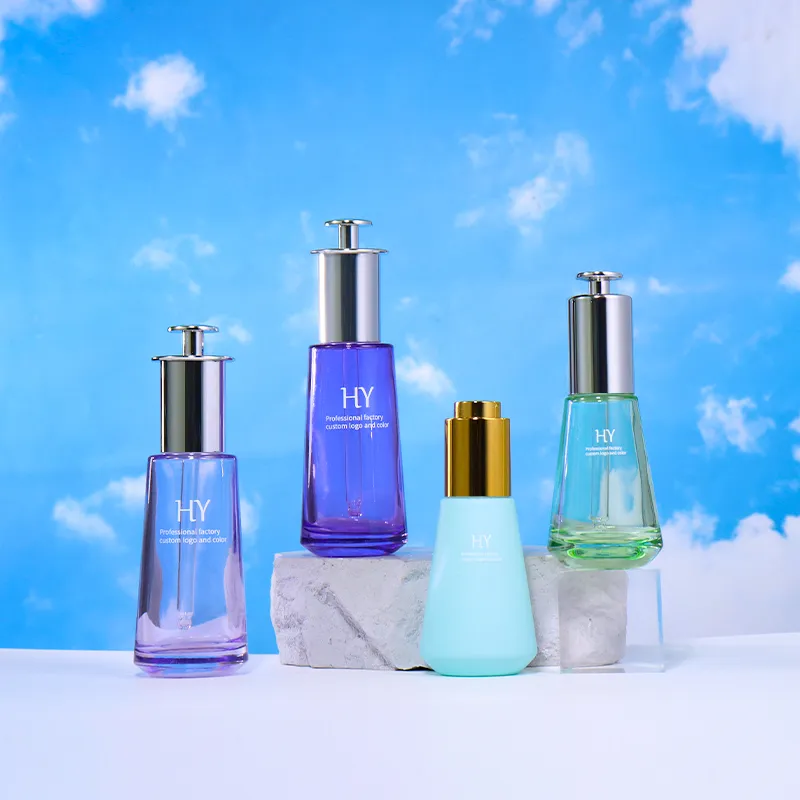
The Matte Advantage: How to Customize a Frosted Foundation Bottle That Feels as Premium as It Looks
Foundation packaging carries a unique burden among cosmetic containers: the bottle must show the product shade — customers need to verify that "warm beige" on the label matches their skin tone before purchasing — while simultaneously protecting the formula from the light exposure that degrades SPF compounds, color pigments, and emulsion stability. A clear glass foundation bottle satisfies the visibility requirement but fails the protection requirement. An opaque bottle provides protection but prevents shade verification, forcing brands to add external shade swatches that peel, fade, or detach from the bottle over time.
Frosted glass solves this dilemma. The frosted surface diffuses light passing through the glass — scattering photons into multiple directions rather than allowing them to pass straight through — which reduces direct light transmission by 30–60% while maintaining enough translucency for the customer to see the foundation shade inside. The diffusion effect also softens the bottle's visual presence, creating the matte, understated aesthetic that premium foundation brands favor over the shiny, mass-market look of clear polished glass.
Two Frosting Methods, Two Different Results
Acid Etching: Uniform and Delicate
Acid etching submerges the glass bottle in a hydrofluoric acid solution that dissolves the surface layer of silica, creating a microscopic texture of peaks and valleys that scatter light. The result is a uniformly frosted surface with a satin-smooth feel — softer to the touch than sandblasted glass because the acid creates rounded surface features rather than sharp-edged ones. Acid etching can be applied to the entire bottle exterior for full-frost coverage or masked in specific areas to create clear windows (useful for shade-verification strips on otherwise fully frosted bottles).
Sandblasting: Textured and Durable
Sandblasting propels fine abrasive particles (typically aluminum oxide or silicon carbide grit) against the glass surface at high velocity, mechanically eroding a frosted texture. The result is a deeper, more tactile texture than acid etching — the surface feels slightly rough to the touch, creating grip that prevents a glass foundation bottle from slipping in wet hands. Sandblasting is a line-of-sight process: only surfaces facing the blast nozzle receive frosting, allowing precise control over which bottle areas are frosted and which remain clear.
Guangzhou Hiyeah Packaging operates both acid-etching and sandblasting processes in-house alongside its glass forming, spraying, decorating, and accessory production lines — allowing foundation brands to specify the exact frosting method, coverage area, and texture depth for each bottle design without coordinating between separate vendors.
Real-World Application: A Clean Beauty Foundation Launch
A clean-beauty brand preparing to launch its first liquid foundation line needed packaging that communicated "natural ingredients" while protecting a formula heavy in plant-based oils that are particularly sensitive to UV degradation. The brand's creative director wanted a bottle that looked like sea glass — soft, matte, and organic in feel, with a small clear window at the base so customers could verify shade.
Hiyeah Packaging produced the bottle using acid-etch frosting on the upper 80% of the bottle surface, with a masked clear-glass band at the bottom. The acid-etched surface created the soft-touch feel the brand wanted while blocking approximately 50% of direct light transmission — enough to significantly reduce formula degradation during shelf life. A silk-screen-printed logo in white ink on the frosted surface created subtle brand visibility without disrupting the matte aesthetic. The bottle's pump assembly used an airless mechanism (no dip tube needed) that dispensed the foundation without introducing air into the formula — an additional protection against oxidation that complemented the frosted glass's light-blocking function.
Frequently Asked Questions
Does frosted glass protect foundation from UV degradation?
Partial protection — frosted glass reduces direct light transmission by 30–60% depending on frosting depth, scattering light rather than absorbing it. This extends shelf life compared to clear glass but provides less UV blocking than fully opaque or colored glass. For foundations with high SPF content or light-sensitive actives, consider frosted glass in combination with UV-absorbing glass composition. Hiyeah Packaging offers both frosting and colored-glass options.
How durable is the frosted finish?
Acid-etched frosting is permanent — it is a physical transformation of the glass surface, not a coating, so it cannot scratch or peel off. Sandblasted frosting is equally permanent. Frosted glass can be cleaned with standard glass cleaners without affecting the finish, unlike sprayed matte coatings that can dissolve with solvent-based cleaners.
Can part of the bottle remain clear while the rest is frosted?
Yes. Both acid etching (using chemical-resistant masking) and sandblasting (using physical stencils or controlled nozzle positioning) can selectively frost specific bottle areas. A common design creates a vertical clear stripe for shade visibility against an otherwise fully frosted body. Hiyeah Packaging's masking and blasting capabilities support partial-frost designs.
What bottle sizes are available for foundation packaging?
Standard foundation bottle sizes range from 15 ml (travel size, sample) to 50 ml (full size). The most common size is 30 ml, typically paired with an airless pump or a pump with a dip tube. Hiyeah Packaging offers foundation bottles in these standard sizes with matching pump assemblies.
Can frosted glass be combined with colored glass?
Yes. A colored glass bottle (amber, blue, green) can be frosted after forming, creating a tinted frosted effect. This combines the light-filtering properties of colored glass with the diffusion and tactile benefits of frosting. The order of operations matters: glass pigmentation happens in the furnace, frosting happens after forming.
What pump type works best with a foundation bottle?
Airless pumps dispense foundation without introducing air into the bottle, protecting the formula from oxidation and allowing near-complete product evacuation (95%+). Traditional dip-tube pumps leave 5–10% of product inaccessible at the bottom. For thick foundation formulas, a wide-mouth bottle with a pump dispenser may be easier to fill. Hiyeah Packaging produces matching pumps and accessories alongside bottle production.