 EN
EN

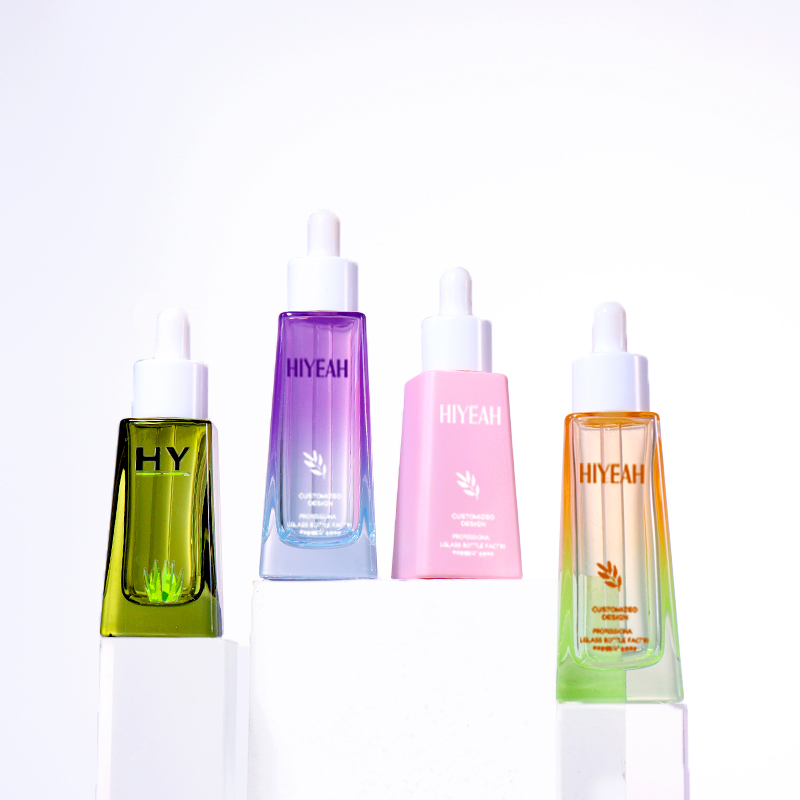
How to Customize a Colored Dropper Bottle That Protects the Formula Inside
A dropper bottle serves two masters: precision dispensing (the dropper mechanism must deliver consistent drop volume) and formula protection (the glass must shield the contents from UV degradation). Color is the variable that balances both functions. An amber glass dropper bottle blocks approximately 90% of UV radiation below 450 nanometers — the wavelength range most responsible for degrading retinol, vitamin C, essential oil terpenes, and other light-sensitive active ingredients that populate premium skincare serums. A frosted or opaque colored bottle blocks 95–99%. A clear bottle blocks almost none, leaving the formula vulnerable to photodegradation that can reduce active-ingredient potency by 30% or more over a six-month shelf life.
Customizing a dropper bottle's color involves choosing among three distinct coloring technologies, each with different aesthetic and protective properties. Glass pigmentation — adding metal oxides (iron for amber, cobalt for blue, chromium for green) to the molten glass batch — produces color that penetrates the entire glass thickness and cannot scratch, peel, or fade. Sprayed coating — applying a colored lacquer to the exterior of clear glass and curing it in a thermal oven — allows precise Pantone or RAL color matching down to a single shade but sits on the surface and can be scratched by abrasive contact. Electroplating deposits a micron-thin metallic layer on the glass surface, creating mirror-finish colors that reflect light aggressively — ideal for luxury positioning but adding minimal UV protection because the coating is opaque rather than absorptive.
Choosing the Right Dropper Assembly
Glass Pipette vs. Plastic Bulb: Material Compatibility
The dropper assembly — glass pipette, rubber or silicone bulb, and threaded cap — must be chemically compatible with the formula it dispenses. Essential oils containing limonene, linalool, or other terpenes can swell natural rubber bulbs within weeks, causing the bulb to lose suction and the dropper to deliver inconsistent volumes. Silicone bulbs resist terpene swelling but cost approximately 60% more per unit. Guangzhou Hiyeah Packaging's dropper bottle line includes both glass dropper bottles with silicone bulb assemblies and roll-on bottles for oil-based formulas that benefit from direct application, ensuring that each formula receives the dispensing mechanism optimized for its chemistry rather than a one-size-fits-all assembly that fails after the first month of use.
Real-World Application: A Vitamin C Serum's Color Journey
A direct-to-consumer skincare brand formulating a 20% vitamin C serum discovered during stability testing that the formula lost 35% of its active-ingredient concentration after 90 days in clear glass under simulated retail lighting conditions — equivalent to a store shelf with moderate fluorescent exposure. Switching to amber glass dropped the degradation rate to 8% over the same period. But the brand's signature color palette was a pale sage green, and the standard amber bottle clashed visibly with the brand's Instagram aesthetic.
Hiyeah Packaging worked with the brand to develop a custom sprayed coating in the brand's exact sage-green color, applied to clear glass bottles. The sprayed coating achieved the UV protection of amber glass while matching the brand's visual identity exactly. The result: a bottle that protected the serum's potency and reinforced the brand's color identity on shelf — eliminating the tradeoff between formula stability and brand consistency that the brand had assumed was unavoidable.
Frequently Asked Questions
Why do most serum dropper bottles use amber glass?
Amber glass blocks approximately 90% of UV light below 450 nm, the wavelength range responsible for degrading vitamins (A, C, E), retinol, peptides, and essential oil compounds. This UV protection extends the formula's shelf life without requiring opaque packaging that prevents customers from seeing the product. Hiyeah Packaging offers amber and custom-colored glass dropper bottles.
Can I match my dropper bottle color to my brand's Pantone?
Yes, through sprayed-coating technology. A clear glass bottle is sprayed with a colored lacquer matched to a specific Pantone or RAL reference, then cured in a thermal oven. Sprayed coatings achieve precise brand-color matching but sit on the glass surface rather than penetrating the glass. Hiyeah Packaging's in-house spraying lines can color-match within standard color-measurement tolerances.
What is the standard dropper pipette volume?
Most cosmetic dropper pipettes deliver 0.03–0.05 ml per drop, meaning a 30 ml bottle contains approximately 600–1,000 drops. Full-squeeze draw volume is typically 0.5–1.0 ml. Drop volume consistency depends on the pipette orifice diameter and the bulb material's elasticity — silicone bulbs maintain more consistent drop volumes over repeated use than natural rubber bulbs.
What cap sizes are standard for dropper bottles?
18/415 and 20/410 are the most common neck finishes for cosmetic dropper bottles in 15–50 ml sizes. The first number refers to the neck diameter in millimeters, the second to the thread specification. Hiyeah Packaging's dropper bottle line covers these standard sizes with matching cap and dropper assemblies.
Can colored dropper bottles be recycled?
Yes. Glass pigmentation uses metal oxides that are chemically stable in the glass matrix and do not interfere with the glass recycling stream. Sprayed coatings, however, burn off during the glass remelting process and may require the recycling facility to filter combustion byproducts — check with local recyclers for acceptance guidelines on coated glass.
How do I test dropper cap compatibility with my formula?
Fill three sample bottles with your formula and store them upside down at 40°C for 48 hours. Check for cap-liner swelling, bulb discoloration, or pipette clouding — all signs of chemical incompatibility. Repeat the test at 5°C to check for bulb stiffening at low temperatures, which affects drop-volume consistency.