 EN
EN

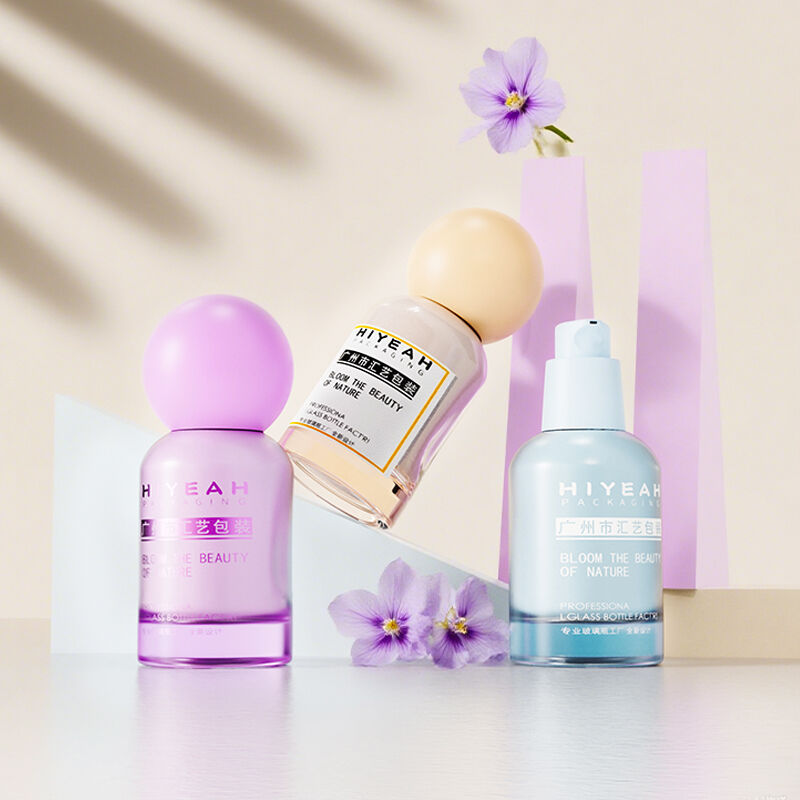
Anpassa pump och flaska till formelns viskositet och stabilitet
Varför viskositet styr pumpmekanismen: fin spray vs. kolvpump vs. skumpump för olika lotionformuleringar
Fluidens tjocklek är den främsta drivkraften för pumpval. Formuleringar med låg viskositet (under 100 mPa·s), såsom toners och lättviktiga serum, kräver finstänkpumpar för att förhindra droppning och säkerställa kontrollerad applicering. Lotioner med mellanviskositet (1 000–5 000 mPa·s) fungerar bäst med kolvpumpar – dessa ger konsekvent, luftfri dosering utan skumning eller otillräcklig dispensering. Krämformuleringar med hög viskositet (>10 000 mPa·s) kräver skum- eller positivdispensationspumpar som komprimerar de tjocka formuleringarna till enhetliga, lättanvända portioner. Felaktigt matchade system leder till funktionella fel – inklusive ofullständig dispensering, läckage eller fördröjd priming – och förpackningsvalideringsstudier har kopplat felaktig kombinering till en ökning av prestandaproblem med 23 % (2023).
Ingredienskompatibilitet: förhindra blockering och nedbrytning orsakad av aktiva ämnen, partiklar och konserveringsmedel
Pumpens livslängd beror på materialkompatibiliteten med formuleringens kemi och fysiska struktur. Exfolierande scrubbar med granuler >500 μm kräver munstycken med stort genomgångsområde och förstärkta interna kanaler för att undvika blockeringar; serum med vitamin C eller retinol kräver fjädrar i rostfritt stål och tätningar av fluoropolymer för att motstå oxidation och hydrolys. Konserveringsmedel som fenoxietanol kan bryta ner gummityper av silikon med tiden, vilket bidrar till tätningssvikt i 17 % av enheterna som observerats vid stabilitetsprovning (Cosmetic Stability Journal, 2024). Referera alltid till säkerhetsdatablad (SDS) tillsammans med analysintyg (COA) för pumpkomponenter – exempelvis tål PET-komponenter sura formuleringar (pH < 4), medan nylon presterar utmärkt i alkaliska miljöer.
Valideringskrav: 30-dagars doseringsprov, termisk cykling och pH-stabilitetsprovning för lotionflaskors prestanda
Robust validering förhindrar felfunktioner i fält och stödjer efterlevnad av ISO 22716. Utför 30-dagars simuleringar av användning med minst 300 aktiveringar för att bedöma mekanisk hållbarhet och doskonsekvens. Termisk cykling (–5 °C till 45 °C) avslöjar primingsutmaningar relaterade till viskositet samt risker för täthetsbrister, medan pH-stabilitetstester identifierar korrosionsrisker på ytor i kontakt med produkten. Varumärken som hoppar över dessa steg står inför tre gånger så många kundreturer, enligt senaste certifieringsgranskningens resultat (2023). Dokumentera flödeshastighetsvariation (max ±5 %), restprodukt (<0,3 g per cykel) och visuell integritet under hela lagringslivslängden för att verifiera långsiktig pålitlighet.
Välj hållbara, premiummaterial som stödjer varumärkesidentiteten och funktionen
PETG, PP, HDPE, glas och aluminium: jämförelse av spärrskydd, upplevd lyx, vikt och återvinningsbarhet för lotionflaskor
Materielvalet påverkar både bevaring och uppfattning. PETG ger hög genomskinlighet och måttlig syrensperregenskap – idealiskt för transparenta, visuellt drivna formuleringar. Polypropen (PP) erbjuder exceptionell kemisk motstånd och låg vikt, vilket gör det till ett förstahandsval för aktiva rika, pH-variabla lotioner. HDPE ger överlägsna fuktspärrsegenskaper, särskilt avgörande för vattenbaserade eller emulsionsrika produkter. Glas förblir guldstandarden för luxuspositionering, med en icke-genomtränglig spärr och obegränsad återvinningsbarhet – även om dess vikt och skörhet ställer krav på logistik och säkerhet. Aluminium kombinerar lättviktighet och hållbarhet med fullständig blockering av ljus och syre, men kräver precisionsframställning för pålitlig försegling.
| Material | Skydd mot hinder | Lyxperception | Vikten av påverkan | Återvinningsbarhet |
|---|---|---|---|---|
| Petg | Måttlig O₂ | Hög (genomskinlighet) | Ljus | ♻️ Harthetsnummer 1 |
| PP | Kemiskt resistent | Medium | Mycket lätt | ♻️ Harthetsnummer 5 |
| HDPE | Hög fuktighet | Låg | Ljus | ♻️ Harthetsnummer 2 |
| Glas | Vattentät | Premium | Tungt | Oändlig |
| Aluminium | Fullständig blockering | Premium | Medium | Oändlig |
Glas och aluminium höjer varumärkets prestige men ökar frakt kostnaderna med 18–25 % jämfört med plast. För varumärken med fokus på hållbarhet erbjuder PETG och HDPE en stark balans: PETG behåller 95 % av sin optiska genomskinlighet efter 12 månaders UV-belysning, vilket stödjer långsiktig hyllattraktivitet.
PCR-plastens paradox: hur återvunnen konsumentplast kan försämra pumpens täthetsintegritet – verifierat av UL 2023-certifieringsdata
Innehåll av återvunnet material från konsumenter (PCR) främjar cirkulära mål – men medför verkliga funktionella avvägningar. UL:s certifieringsdata visar att PCR-harts innehåller varierande polymerkedjors längd och spårkontaminer som i genomsnitt utgör 0,3–0,7 % viktprocent. Dessa inkonsekvenser accelererar utvecklingen av mikrospaltningar i precisionsskivor för pumpar – särskilt i kolvmekanismer som kräver toleranser på ≤0,1 mm. Tester bekräftar att pumpar med >30 % PCR-innehåll uppvisar 15 % högre felkvoter under termisk cykling (–5 °C till 45 °C) jämfört med motsvarande produkter av nytt material, vilket skapar läckvägar som riskerar produktförsämring och konsumentens förtroende. För att minska risken måste tillverkare utföra accelererade dispenseringsförsök i 30 dagar med komponenter som innehåller PCR – och prioritera harts med UL ECOLOGO®- eller Cradle-to-Cradle-certifiering, som bevisat att de bibehåller dimensionell stabilitet och täthetsintegritet.
Design för användarupplevelse och hyllframträdande
En högpresterande lotionflaska kombinerar intuitiv användbarhet med en omisskännlig närvaro. Prioritera pumpmekanismer som ger konsekvent och lätt dispensering – särskilt viktigt för användare med artrit eller minskad handstyrka. Ergonomiska konturer, mjuka ytor och slipfria baser förbättrar kontrollen och självförtroendet vid applicering, medan säkerhetsförseglingar stärker säkerheten och äktheten. På överfulla hyllor är differentiering icke-förhandlingsbar: forskning visar att oväntade metalliska ytor, gradientbeläggningar eller matt-glans-kontraster kan öka synligheten med upp till 40 %. Taktila signaler – präglade logotypers, inpräglade mönster eller subtila texturgradienter – inbjuder till interaktion och signalerar premiumutförande. Se till att alla varumärkeselement förblir läsbara på armlängds avstånd, eftersom 70 % av köpsbesluten fattas inom tre sekunder från det första kontakta med hyllan. Slutligen bör UV-beständiga färger och beläggningar specificeras för att bevara färgtroheten och ytans integritet under långvarig lysrörsbelysning.
Justera storlek, konfiguration och återfyllningsstrategi för lotionflaskor efter kanal och konsumentens användningsområde
Reseformat (30–100 ml), butiksformat (150–500 ml) och stora återfyllningsformat (1 l+): påverkan på primingspålitlighet, lockmoment och hyllhastighet
Storlek och konfiguration måste stämma exakt överens med avsedd användningskontext. Reseflaskor (30–100 ml) kräver läckskyddad konstruktion: lock med en vridmoment på minst 30 N·m samt självråkande pumpar säkerställer pålitlighet under transport och vid intermittenta användningsområden. Butiksformat (150–500 ml) optimeras för daglig tillgänglighet och hyllhastighet – ett moderat vridmoment (15–25 N·m) balanserar öppningslättighet med säkerhet, medan konsekvent dosering främjar återkommande köpbeteende. Noterbart uppnår den mellanstora storleken på 250 ml en 23 % snabbare omsättning än större artikelnr i massmarknadskanaler. Stora påfyllningsbehållare (1 l och mer) kräver industriella kolvpumpar som är konstruerade för en primingsframgång på över 99 % även efter sex månaders inaktivitet, samt breda gängor och förstärkta halsfogar för att klara upprepad öppning/stängning. Även om återanvändbara system minskar förpackningsavfallet med 40 %, beror deras strukturella integritet på robust fogkonstruktion – inte enbart på bekvämlighet.
FAQ-sektion
Varför är viskositet viktig för val av pump?
Viskositet avgör vilken pumpmekanism som krävs för att dispensera en formel effektivt. Produkter med låg viskositet använder finstänkpumpar, medelviskosa formler använder kolvpumpar och högviskosa krämprodukter kräver skum- eller positivfördrängningspumpar.
Vilka material är kompatibla med olika formler?
Material som PET, PP, HDPE, glas och aluminium erbjuder unika fördelar. Till exempel är PET motståndskraftigt mot sura formler, medan nylon fungerar väl med alkaliska formler.
Hur påverkar PCR-plast pumpens prestanda?
PCR-plaster kan försämra pumpens täthetsintegritet på grund av varierande polymerkedjors längd och spår av föroreningar, vilket leder till mikrospaltbildning och läckagerisker.
Vilka valideringstester säkerställer pumpens pålitlighet?
Nyckeltest inkluderar simulerade användningstester under 30 dagar, termisk cykling och pH-stabilitetstester för att verifiera mekanisk slitstarkhet, täthetsintegritet och korrosionsmotstånd.
Hur kan förpackningsdesigner förbättra varumärkesattraktionen?
Metalliska ytor, unika beläggningar, präglade strukturer och UV-beständiga färger förbättrar synligheten på hyllorna och signalerar premiumkvalitet till konsumenterna.
Innehållsförteckning
-
Anpassa pump och flaska till formelns viskositet och stabilitet
- Varför viskositet styr pumpmekanismen: fin spray vs. kolvpump vs. skumpump för olika lotionformuleringar
- Ingredienskompatibilitet: förhindra blockering och nedbrytning orsakad av aktiva ämnen, partiklar och konserveringsmedel
- Valideringskrav: 30-dagars doseringsprov, termisk cykling och pH-stabilitetsprovning för lotionflaskors prestanda
- Välj hållbara, premiummaterial som stödjer varumärkesidentiteten och funktionen
- Design för användarupplevelse och hyllframträdande
- Justera storlek, konfiguration och återfyllningsstrategi för lotionflaskor efter kanal och konsumentens användningsområde
- FAQ-sektion