 EN
EN

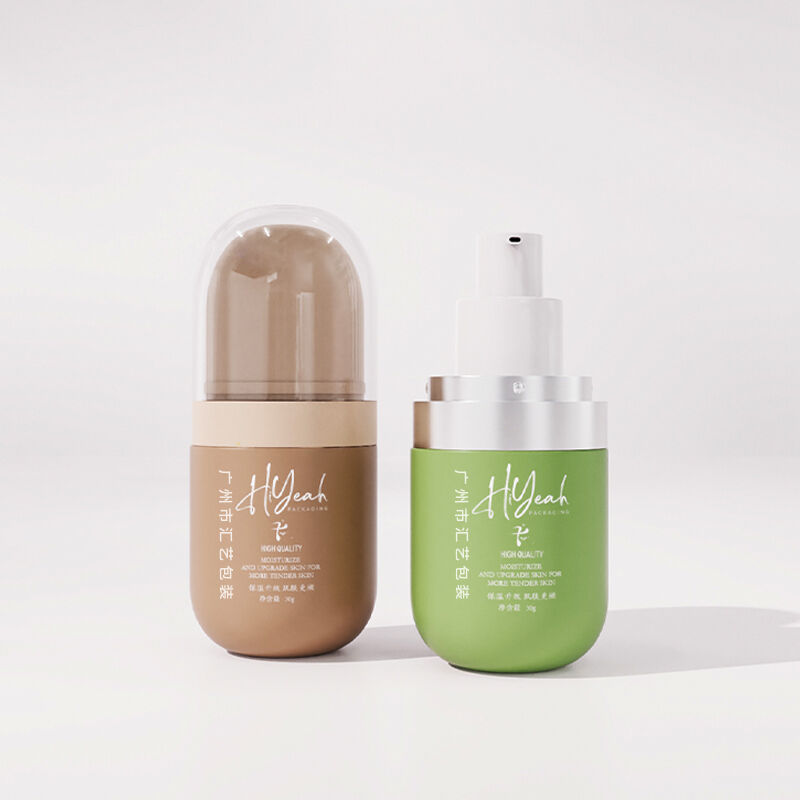
Standardpolicy för provtagning på en fabrik för glasflaskor
När och varför gratis prov vanligtvis erbjuds
Fabriker för glasflaskor erbjuder kostnadsfria provspecimen främst vid inledande affärskontakter för att visa produktens kvalitet, materialintegritet och funktionella passform – särskilt för standardlagerartiklar. Eftersom befintliga formar eliminerar verktygskostnader kan fabrikerna lättare bära kostnaderna för provspecimen för färdiga designmodeller än för anpassade. Dessa provspecimen tjänar två centrala syften: att bygga förtroende hos potentiella köpare och att möjliggöra praktisk utvärdering av avgörande egenskaper – inklusive mått, väggtjocklek, termisk stabilitet samt kompatibilitet med fyllnings- och kapslingsmaskiner. Fabrikerna prioriterar detta stöd för kunder med hög volym eller för reglerade branscher som drycker och läkemedel, där fysisk verifiering hjälper till att förhindra kostsamma felaktigheter i storproduktion.
Hur provtagning stödjer kvalitetssäkring och efterlevnad
Provtagning är ett grundläggande steg för kvalitetssäkring – inte bara en försäljningsåtgärd. Innan fullskalig produktion använder fabriker prov för att verifiera överensstämmelse med regler för livsmedelskontakt, såsom FDA 21 CFR §173.308 och EU-förordning (EG) nr 1935/2004. I detta skede identifieras fel tidigt – till exempel ojämn glasfördelning, mikrospaltningar eller oregelbundenheter på förseglingsoverytan – som kan äventyra säkerhet eller prestanda. Tryckmotstånd, termisk chocktolerans och dimensionsåterkombarhet testas rutinmässigt med hjälp av metoder för statistisk processkontroll (SPC). Dokumentation från dessa tester uppfyller även kraven för revisioner och stödjer spårbarhet i hela leveranskedjan – från råmaterial (t.ex. sand) till certifiering av färdiga behållare.
Villkor och begränsningar för kostnadsfria prov från en glasflaskfabrik
Minimibeställningsvolym, anpassning och undantag från minimibeställningskvantitet (MOQ)
Gratisprov är sällan villkorslösa. De flesta fabriker kopplar berättigande till minimibeställningsvolym – ofta från 10 000 enheter – för standardartiklar. Anpassning förändrar kalkylen avsevärt: unika gjuterier, prägling, färgämnen eller specialytbehandlingar medför betydande första investeringar, där verktygskostnaderna i genomsnitt ligger på $740k. (Industrirapport 2023). Som en följd av detta debiterar fabrikerna vanligtvis för anpassade prototyper, om inte dessa täcks av en bekräftad massbeställning. Det finns dock undantag: många upphäver MOQ (minimibeställningskvantitet) för enkla begäranden av lagerflaskor eller pilotproduktioner under 1 000 enheter – särskilt för startups, säsongsspecifika lanseringar eller initiativ med fokus på hållbarhet. Proaktiv förhandling – till exempel genom att dela realistiska volymprognoser eller gemensamt utveckla en faserad lanseringsplan – kan skapa flexibilitet även för komplexa designlösningar.
Hur en glasflaskfabrik strukturerar sitt provprogram
Glasflaskfabriker använder hierarkiska provtagningsramverk för att justera resursfördelningen efter kundens mognadsnivå och projektets omfattning – vilket säkerställer rigorös validering utan att överbelasta kapaciteten.
Hierarkiska alternativ: Lagerhållna flaskor vs. prototyper vs. produktionsklara prover
Fabrikerna kategoriserar prover i tre distinkta nivåer:
- Lagerflaskor lagerhållna flaskor: Direkt levererbara lagerartiklar med en typisk ledtid på 5–7 dagar. Idealiska för snabb materialtestning, etikettprov eller preliminära fyllningslinjetester.
- Prototyper prototyper: Anpassade formgjutna enheter som tillverkas efter att designen är fastställd, vilket kräver 30–45 dagar. Används för strukturell validering, kompatibilitet med förslutningar samt accelererade åldringssimuleringar – t.ex. 30 dagars exponering vid 40 °C/75 % RF – för att modellera beteendet under en lagringstid på 12 månader.
- Produktionsprov produktionsklara prover: Flaskor som hämtas direkt från aktiva tillverkningslinjer och som representerar de slutliga batchens förhållanden. Levereras inom 15–20 dagar och bekräftar estetik, dimensionell konsekvens samt verklig prestanda under faktiska produktionsparametrar.
Detta stegvisa tillvägagångssätt gör det möjligt för varumärken att successivt minska utvecklingsriskerna – validera grundformen innan man förpliktar sig till funktionen och funktionen innan man skalar upp till volym.
Ledtider, fraktlogistik och kostnadsfördelning
Exempeltidslinjer återspeglar utvecklingskomplexiteten och fabrikens redo för produktion:
| Provtyp | Utvecklingsfas | Genomsnittlig ledtid |
|---|---|---|
| Lagerenheter | Inledande koncept | 5–7 dagar |
| Anpassad prototyp | Designklarhet | 30–45 dagar |
| Produktionsprov | Godkännande innan tillverkning | 15–20 dagar |
Kostnadsansvaret följer avsikten: Fabriker tar på sig kostnaderna för provexemplar vid bekräftade beställningar på över 10 000 enheter, medan de debiterar 50–300 USD per set för utforskande eller lågvolymsengagemang. För att effektivisera logistiken erbjuder globala tillverkare i allt högre utsträckning regionella upphämtningsalternativ – 68 % har idag lokala lagercentraler (Packaging Logistics Survey 2023) – vilket minskar gränsöverskridande fördröjningar och tullrelaterade hinder.
Strategisk inköpsprocess: Från provexemplar från glasflaskfabrik till långsiktiga partnerskap
Gratisprov är inte transaktionsavslut—de är strategiska ingångar. När inköpsavdelningar behandlar provning som en bedömning av förmågor—genom att utvärdera responsivitet, noggrannhet i teknisk dokumentation, överensstämmelse med regler och samarbetsinriktad problemlösning—lägger de grunden för varaktiga leverantörsrelationer. Dessa relationer utvecklas genom strukturerad samverkan: gemensam affärsplanering, delade KPI-paneler och samutveckling av hållbara alternativ, såsom lättviktsdesigner eller formuleringar med återvunnet innehåll. Leverantörer med långsiktiga investeringar visar större flexibilitet vid störningar, förlänger betalningsvillkor och delar proaktivt processförbättringar—vilket omvandlar den initiala provningen till motståndskraftiga allianser som förbättrar kostnadseffektivitet, innovationshastighet och marknadsrespons.
Vanliga frågor
Varför erbjuder fabriker av glasflaskor gratisprov?
Fabriker för glasflaskor erbjuder kostnadsfria prov för att visa produktkvaliteten, bygga förtroende och låta potentiella köpare utvärdera viktiga egenskaper såsom mått, termisk stabilitet och kompatibilitet med maskiner. Kostnadsfria prov erbjuds vanligtvis till kunder med stora beställningsvolymer och inom reglerade branscher.
Vilka villkor gäller för att få kostnadsfria prov?
Kostnadsfria prov är vanligtvis kopplade till minimibeställningsvolymer (från 10 000 enheter för standardartiklar). För anpassade designerna debiteras ofta kostnader för prototyper, om inte en stororder bekräftas. Undantag kan gälla för startups eller projekt med liten skala.
Vilka olika provnivåer erbjuder fabriker för glasflaskor?
Provningstier inkluderar lagerhållna flaskor (färdiga att skickas ut med en ledtid på 5–7 dagar), prototyper (anpassade, formgjutna flaskor med en ledtid på 30–45 dagar) samt produktionsklara prov (flaskor dragna på produktionslinjen med en ledtid på 15–20 dagar).
Hur säkerställer fabrikerna provkvalitet och efterlevnad?
Fabriker använder prov för att verifiera efterlevnad av regler för livsmedelskontakt, identifiera fel och testa egenskaper som motstånd mot termisk chock och tryckmotstånd. Dessa steg säkerställer att produkterna uppfyller kraven på kvalitetssäkring och lagstadgade standarder.
Hur kan prov leda till långsiktiga leverantörsrelationer?
Prov utgör en utgångspunkt för att bedöma en leverantörs förmågor, inklusive responsivitet och teknisk noggrannhet. Strukturerad engagemang och samarbete kan omvandla initiala provbeställningar till varaktiga partnerskap med fokus på innovation och effektivitet.