 EN
EN

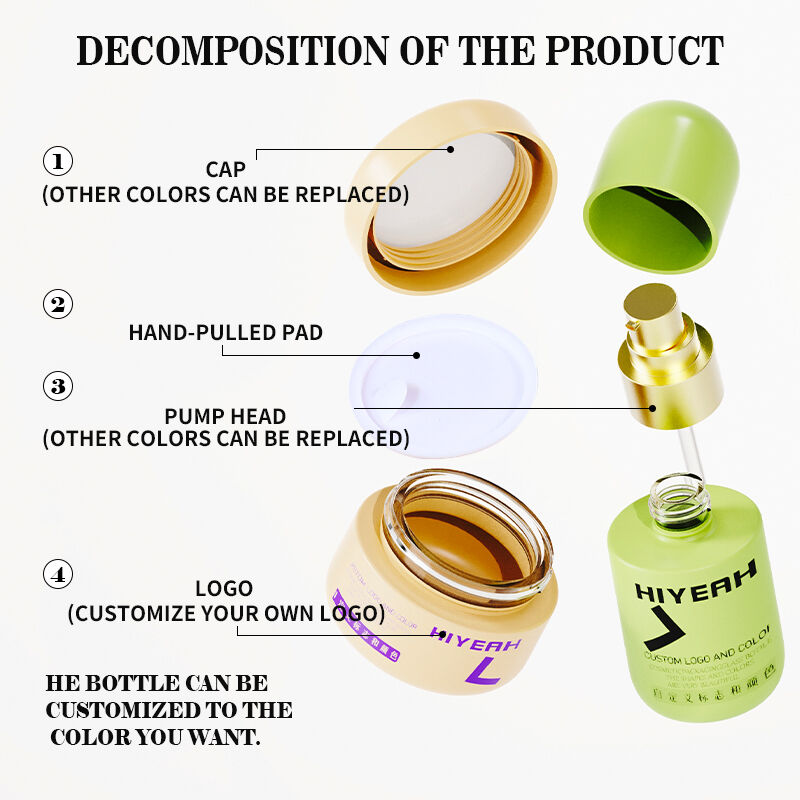
Integridade do Material do Frasco de Vidro: Protegendo Fórmulas Potentes para Cuidados com a Pele
Inércia e Vedação Hermeticamente Fechada para Cuidados com a Pele Ricos em Ativos
Frascos de vidro preservam a integridade da fórmula graças à sua inércia química intrínseca — ao contrário de muitos plásticos, eles não liberam contaminantes nem reagem com ativos sensíveis, como retinoides, vitamina C ou peptídeos. Essa estabilidade não reativa protege a estrutura molecular, garantindo desempenho consistente dos ingredientes ao longo do tempo. Igualmente importante é o selo hermético: tampas projetadas com precisão impedem a entrada de oxigênio, que acelera a oxidação e degrada a potência. Uma pesquisa publicada em Revisão de Ciências Cosméticas (2023) constatou que formulações armazenadas em vidro hermético retêm 15% mais concentração ativa após 12 meses, comparadas às armazenadas em embalagens comprometidas. Essa barreira também bloqueia a umidade ambiente e a invasão microbiana, prolongando o prazo de validade e apoiando os padrões de beleza limpa.
Resistência aos raios UV e proteção contra oxidação: vidro âmbar versus vidro fosco versus vidro transparente
A proteção contra raios UV varia significativamente entre os tipos de vidro — influenciando diretamente a estabilidade e a eficácia dos ingredientes:
| Tipo de Vidro | Bloqueio de UV | Melhor para | Retenção de antioxidantes |
|---|---|---|---|
| Âmbar | 99% | Ativos sensíveis à luz (vitamina C, retinol, CBD, óleos essenciais) | 30% maior do que o vidro transparente após 6 meses |
| Fosco | 70–80% | Estética opaca + fotoproteção moderada | Mascara a descoloração da fórmula; apoia a frescura visual |
| Claro | <10% | Apenas produtos não foto-sensíveis | Requer embalagem secundária bloqueadora de luz (por exemplo, cartucho externo) |
O vidro âmbar filtra com maior eficácia os comprimentos de onda UVB e UVA nocivos, tornando-o o padrão-ouro para antioxidantes propensos à oxidação. As variantes foscas oferecem um equilíbrio funcional-estético — difundindo a luz ao mesmo tempo que reforçam sinais de luxo. O vidro transparente, embora visualmente translúcido, oferece proteção desprezível e deve ser reservado para fórmulas estáveis associadas a embalagens secundárias protetoras. Conforme observado em Insights de Embalagem (2023), frascos âmbar reduzem em 40% os danos oxidativos em séruns de vitamina C em comparação com alternativas transparentes — reforçando a necessidade de alinhar a escolha do vidro à vulnerabilidade dos ingredientes.
Percepção de Luxo Projetada por meio do Peso e da Espessura da Parede dos Frascos de Vidro
Como Frascos de Vidro Pesados e de Paredes Espessas Elevam o Posicionamento de Marcas Premium
O peso e a espessura das paredes são sinais poderosos e subconscientes de qualidade na embalagem de produtos para cuidados com a pele. Os consumidores associam consistentemente maior peso à excelência artesanal e à eficácia: 72% relacionam o peso do frasco à percepção de superioridade do produto ( Packaging Digest , 2024). Estruturalmente, paredes com espessura ≥ 2,5 mm evitam deformações durante o uso — mantendo a rigidez, a confiança tátil e a integridade estética a longo prazo. Essa engenharia influencia diretamente a percepção: fórmulas idênticas acondicionadas em frascos de vidro substanciais são avaliadas como 34% mais eficazes do que aquelas em recipientes leves ( Journal of Consumer Psychology , 2023). As marcas de luxo aproveitam intencionalmente essa ressonância psicológica — utilizando recipientes densos e bem proporcionados não apenas como embalagens, mas como expressões tangíveis de valor e cuidado.
Sinais Táteis de Valor: Relacionando a Espessura das Paredes à Disposição do Consumidor para Pagar
A espessura da parede determina as primeiras impressões ao toque, que influenciam as decisões de compra. Frascos com paredes inferiores a 1,8 mm são percebidos como frágeis ou de baixo custo, gerando, de forma implícita, dúvidas quanto à integridade da fórmula. Em contraste, designs com paredes espessas (2,2–3,0 mm) conferem massa térmica e segurança estrutural — reforçando, de maneira subconsciente, a confiança tanto na embalagem quanto no conteúdo. Dados do Relatório de Negócios Cosméticos (2024) indicam que os consumidores pagam 18–27% a mais por produtos de cuidados com a pele em vidro com espessura ideal das paredes, interpretando a durabilidade física como um indicador indireto do desempenho do produto. Essa sensação tátil de segurança funciona como um impulsionador silencioso de vendas: a resistência à compra diminui em 41% quando os frascos sentir são premium — confirmando que o design sensorial não é meramente ornamental, mas sim fundamental para o posicionamento premium.
Personalização Estética de Frascos de Vidro: Forma, Acabamento e Vedação como Diferenciais de Marca
Acabamentos foscos, âmbar e em gradiente — alinhando a identidade visual à sensibilidade dos ingredientes
Acabamentos estéticos desempenham dupla função: reforçar a identidade da marca ao mesmo tempo que oferecem proteção funcional. O vidro fosco transmite um minimalismo refinado e difunde a luz — proporcionando proteção moderada contra raios UV, ideal para ingredientes moderadamente fotossensíveis, como vitamina C estabilizada ou retinol encapsulado. O vidro âmbar oferece proteção fotoprotetora máxima (bloqueando 99% dos raios UVB, conforme revisão Científica de Embalagens Cosméticas de 2024 ) e combina-se naturalmente com botânicos de alto valor — CBD, óleo de rosa mosqueta e óleos essenciais voláteis — que se degradam rapidamente sob exposição à luz. Acabamentos em gradiente — que transitam de opaco na parte superior para translúcido na base — permitem visibilidade estratégica: evidenciam a viscosidade, a cor ou a textura de fórmulas premium, ao mesmo tempo que protegem as camadas superficiais da luz ambiente. Esse alinhamento intencional entre forma e função fortalece a credibilidade da marca e a confiança do consumidor.
Tampas Premium para Frascos de Vidro: Metálicas, de Bambu e Bombas de Dupla Função como Indicadores de Luxo
As tampas transformam uma necessidade funcional em luxo experiencial. Tampas metálicas com peso — com acabamentos estriados ou escovados — proporcionam um feedback acústico e tátil satisfatório ao fechar, garantindo ao mesmo tempo um selamento hermético essencial para peptídeos e fatores de crescimento sensíveis ao oxigênio. Tampas de bambu sustentáveis oferecem sofisticação alinhada à consciência ambiental, reduzindo a pegada de carbono em 40% em comparação com alternativas convencionais de plástico ( Sustainable Packaging Coalition , 2023). Bombas airless de dupla função — com aplicadores integrados ou dosagem controlada — aprimoram a higiene e a precisão, especialmente em fórmulas que apoiam o microbioma ou ricas em probióticos, as quais são propensas à contaminação. Cada material e mecanismo envolve um canal sensorial distinto: a condutividade fresca do metal, o grão orgânico e quente do bambu e a suavidade projetada da dosagem precisa. Juntos, elevam o uso diário a um ritual intencional e refinado — onde proteção e percepção se convergem.
Perguntas Frequentes
Por que frascos de vidro são melhores para fórmulas de cuidados com a pele em comparação com recipientes de plástico?
Frascos de vidro são quimicamente inertes e não liberam contaminantes em formulações sensíveis para cuidados com a pele. Eles proporcionam um selamento hermético, impedindo a entrada de oxigênio e protegendo a estabilidade molecular de ingredientes ativos, como vitamina C, peptídeos e retinoides.
Como a proteção contra raios UV varia conforme os diferentes tipos de vidro?
O vidro âmbar oferece a mais alta proteção contra raios UV, bloqueando 99% dos raios nocivos, tornando-o ideal para ingredientes ativos sensíveis à luz. O vidro fosco fornece uma proteção fotoprotetora moderada, enquanto o vidro transparente possui capacidade praticamente nula de bloqueio de raios UV e é adequado apenas para formulações estáveis.
Por que a espessura da parede é importante na embalagem de frascos de vidro?
Paredes de vidro mais espessas (2,2–3,0 mm) conferem durabilidade, sensação de qualidade e aumentam a confiança do consumidor. Paredes finas podem parecer frágeis e afetar a percepção do consumidor tanto sobre a embalagem quanto sobre o produto contido nela.
Qual é o papel das tampas no aprimoramento da experiência premium em produtos para cuidados com a pele?
Fechamentos como tampas metálicas com peso, tampas de bambu e bombas de dupla função combinam funcionalidade com elementos de luxo, garantindo vedação hermética, escolhas ecologicamente conscientes ou dosagem precisa para aprimorar a experiência de uso diário, ao mesmo tempo que protegem a fórmula.
Sumário
- Integridade do Material do Frasco de Vidro: Protegendo Fórmulas Potentes para Cuidados com a Pele
- Percepção de Luxo Projetada por meio do Peso e da Espessura da Parede dos Frascos de Vidro
- Personalização Estética de Frascos de Vidro: Forma, Acabamento e Vedação como Diferenciais de Marca
-
Perguntas Frequentes
- Por que frascos de vidro são melhores para fórmulas de cuidados com a pele em comparação com recipientes de plástico?
- Como a proteção contra raios UV varia conforme os diferentes tipos de vidro?
- Por que a espessura da parede é importante na embalagem de frascos de vidro?
- Qual é o papel das tampas no aprimoramento da experiência premium em produtos para cuidados com a pele?