 EN
EN

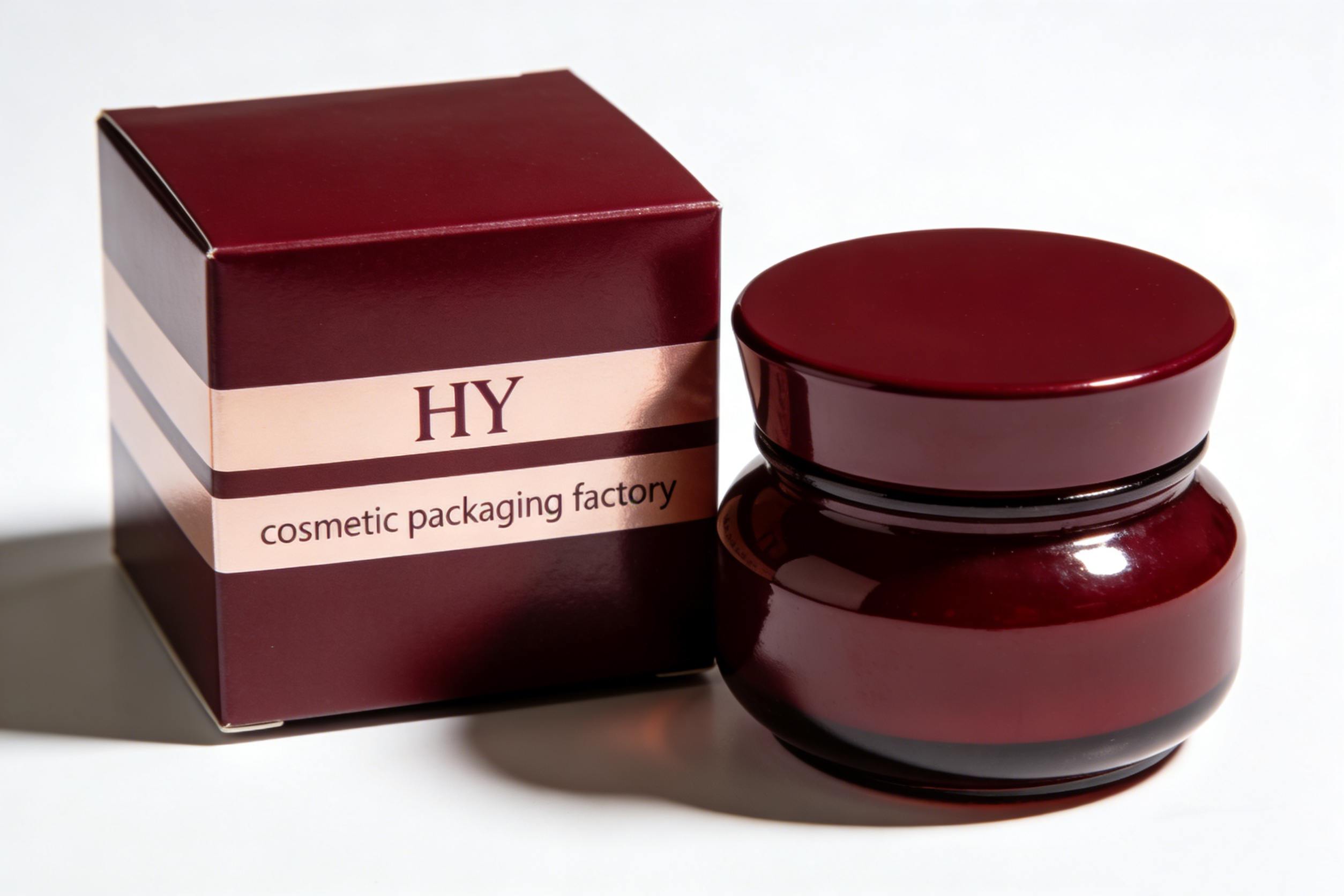
왜 디지털 인쇄가 맞춤형 화장품 박스 제작을 위한 가장 빠른 방법인가요?
디지털 인쇄가 플레이트와 다이를 완전히 없애는 방식—세트업 시간을 65–80% 단축
전통적인 인쇄 방식은 각 화장품 박스 디자인마다 물리적 인쇄판과 다이를 제작해야 하며, 이 과정에는 생산 시작 전에 3~7일이 소요됩니다. 디지털 인쇄는 디지털 파일에서 바로 인쇄 재료(서브스트레이트)로 디자인을 전송함으로써 이러한 단계를 완전히 생략합니다. 이를 통해 인쇄판 제작, 기계 캘리브레이션, 그리고 설정 과정에서 발생하는 자재 낭비가 모두 제거됩니다. 최근의 제조 분석에 따르면, 디지털 인쇄 방식은 오프셋 인쇄 대비 사전 생산 시간을 65~80% 단축시킵니다. 뷰티 브랜드 입장에서는 계절 한정 컬렉션이나 한정판 출시를 수일 내에 가능하게 하며, 주간 단위가 아닌 일 단위로 출시할 수 있게 되고, 비용 부담 없이 마감 직전 아트워크 수정도 가능해집니다. 이는 급변하는 시장 트렌드에 신속히 대응해야 하는 상황에서 매우 중요한 경쟁 우위입니다.
실제 속도 사례: 글로시어(Glossier)의 12,000개 세럼 박스 5.2일 내 납품
유명 뷰티 브랜드가 바이럴 제품 출시를 위해 12,000개의 세럼 박스를 긴급히 필요로 했을 때, 디지털 인쇄를 통해 아트워크 승인부터 출하까지 단 5.2일 만에 납품할 수 있었다. 기존 인쇄 방식은 판재 조각, 색상 매칭, 다이컷팅 설정 등에 최소 18일 이상이 소요되었을 것이다. 이 속도를 가능하게 한 핵심 요인은 다음과 같다.
- 판재 의존성 제로 : 코스메틱 박스 베이스에 직접 CMYK+스팟 UV 인쇄
- 자동화된 작업 프로세스 : 인쇄 후 박스 조립을 위한 통합 다이컷팅 및 키팅 시스템
- 병렬 처리 : 단일 생산 라인에서 여러 SKU 동시 인쇄
이 사례는 디지털 생산 방식이 긴급 캠페인 또는 재고 보충과 같은 상황에서 신속한 맞춤화를 실현 가능한 경쟁 우위로 전환시킬 수 있음을 보여준다.
타협 없는 대량 맞춤화: 낮은 최소 주문 수량(MOQ) 및 SKU별 유연성
10,000개에서 500개까지: 뷰티 브랜드들이 확장 가능한 코스메틱 박스 생산을 채택하는 방식
현대적인 뷰티 브랜드는 이제 전통적인 1만 개 단위 주문에서부터 유연한 500개 단위 생산까지, 다양한 규모의 제조를 원활하게 전환하고 있습니다. 이러한 유연성은 단계적 론칭 및 한정판 컬렉션을 통해 정밀한 재고 관리를 가능하게 합니다. 브랜드는 신규 디자인을 테스트하면서 과잉 재고 위험을 피할 수 있으며, 모듈식 생산 시스템은 기존 생산 규모보다 73% 작아진 배치 크기에서도 일관된 품질을 유지합니다. 그 결과, 유행 성분, 계절 변화 또는 지역별 선호도에 보다 신속하게 대응할 수 있게 되었으며, 동시에 운용 자본에 부담을 주지 않습니다.
다중 SKU 화장품 박스 캠페인을 위한 가변 데이터 인쇄
디지털 가변 데이터 인쇄(VDP)는 생산 중 실시간 디자인 조정을 가능하게 하여, 다중 SKU 화장품 박스 캠페인에 필수적입니다. 각 제품 단위는 인쇄 속도를 저하시키지 않으면서도 고유한 색조 코드, 성분 목록 또는 지역별 규제 준수 라벨을 적용할 수 있습니다. 12개 이상의 SKU를 묶은 캠페인의 경우, 기존 플레이트 기반 방식 대비 45% 빠른 납기 시간을 달성합니다. VDP는 또한 개인화된 배치 식별자 및 타깃형 프로모션 메시징을 지원하며, 다양한 제품 라인 전반에 걸쳐 브랜드 일관성을 유지합니다.
엔드투엔드 속도: 화장품 박스용 통합 생산, 다이컷팅 및 키팅
내장형 삽입 슬롯(드로퍼, 거울 등)이 있는 사전 조립식 화장품 박스
최신식 생산 라인은 정밀 다이컷팅과 자동 키팅을 통합하여, 맞춤형 삽입 슬롯을 갖춘 사전 조립식 화장품 박스를 제공합니다. 이 방식은 드로퍼 및 거울과 같은 취약 부품에 대해 수작업 조립을 제거하고, 취급 오류를 47% 감소시킵니다. 포장 디제스트 (2023년). 내장 폼 또는 열성형 캐비티가 제품을 운송 중에 고정하여, 기존 조립 방식 대비 이행 시간을 30% 단축합니다. CAD 기반 절단 패턴은 부품 치수에 실시간으로 적응하여 스킨케어, 메이크업, 트리트먼트 제품군 전반에 걸쳐 완벽한 맞춤성을 보장합니다.
계층화된 SLA: 표준, 익스프레스, 러시 옵션 — 모두 전체 CMYK 인쇄 및 스팟 UV 코팅을 지원
브랜드사는 인쇄 품질을 희생하지 않고 표준화된 서비스 계층 중에서 선택할 수 있습니다. 심지어 72시간 이내의 러시 주문도 전체 CMYK 사진 인쇄와 스팟 UV 액센트를 포함합니다. 생산 시설은 이러한 성능을 달성하기 위해 병렬 처리 방식을 채택합니다: 디지털 프레스가 가변 디자인을 인쇄하는 동시에 자동 다이컷터가 구조 부품을 준비합니다. 이러한 분리된 워크플로우를 통해 5,000개 규모의 배치에 대해 24시간 익스프레스 서비스를, 15,000개 이상의 배치에 대해 48시간 러시 서비스를 제공하며, 모든 경우에서 팬톤 색상 정확도를 ΔE ≤ 2 범위 내로 유지합니다. 특히 스팟 UV 코팅은 절단 전 인라인 방식으로 적용되므로 후공정 병목 현상이 발생하지 않습니다.
대량 생산 시의 비용 효율성: 화장품 박스 제작에서 디지털 인쇄가 오프셋 인쇄를 능가할 때
디지털 인쇄는 대량의 화장품 박스 생산(특히 5,000~20,000개 규모)에 대한 비용 구조를 재정의합니다. 과거에는 대량 인쇄 시 오프셋 인쇄가 단위당 비용 면에서 유리했으나, 그 판재 및 세팅 비용($300~$2,500)이 10,000개 미만에서는 경제성을 크게 저해합니다. 반면 디지털 인쇄는 이러한 고정 비용을 완전히 제거하여, 오프셋 인쇄 대비 초기 투자 비용을 85% 절감시킵니다. 출처: 디지털 인쇄 경제학 (2024).
최신 잉크젯 시스템은 20,000개까지 오프셋 인쇄 수준의 품질을 구현하며, 색상 정확도는 98%에 달합니다. 또한, 디지털 인쇄가 경제적으로 더 유리해지는 전환점은 2020년 이전의 1,000개에서 현재는 5,000~10,000개로 이동하였는데, 그 이유는 다음과 같습니다:
- 판재/다이 비용이 전혀 발생하지 않음
- 기재 폐기물 최소화(세팅 시 폐기물 60% 감소)
- 에너지 소비 감소(박스당 kWh 사용량 25% 감소)
시간에 민감한 런칭의 경우, 디지털 인쇄의 속도는 비용이 많이 드는 지연을 방지합니다. 출하를 위해 준비된 10,000개의 상자를 추가로 3주간 보관하는 데 약 74만 달러의 숨겨진 창고 보관 비용 및 기회비용이 발생합니다( 포너몬 연구소 , 2023). 디지털 인쇄의 통합 워크플로우는 이러한 손실을 방지하면서도 마지막 순간까지 SKU 조정을 가능하게 하여, 벌금 없이, 지연 없이 유연한 뷰티 브랜드에 결정적인 이점을 제공합니다.
자주 묻는 질문
맞춤형 화장품 박스 제작 시 디지털 인쇄가 전통적 인쇄 방식보다 빠른 이유는 무엇인가요?
디지털 인쇄는 물리적 플레이트와 다이를 필요로 하지 않아 설정 시간을 65–80% 단축합니다. 디자인은 디지털 파일에서 바로 기재물(substrate)으로 직접 전송되므로 신속한 생산이 가능하며, 브랜드는 며칠 만에 컬렉션을 출시할 수 있습니다.
디지털 인쇄는 뷰티 브랜드에 어떤 유연성을 제공하나요?
디지털 인쇄는 뷰티 브랜드가 대량 생산과 소량 생산을 유연하게 전환할 수 있도록 지원합니다. 단계적 론칭, 한정판 컬렉션, 실시간 디자인 조정을 가능하게 하여 과잉 재고 리스크를 방지하고, 운전자본에 부담을 주지 않으면서도 트렌드에 신속히 대응할 수 있도록 돕습니다.
변수 데이터 인쇄(VDP)란 무엇이며, 왜 유익한가요?
변수 데이터 인쇄(VDP)는 다수의 SKU를 포함하는 캠페인에서 생산 중 실시간 디자인 변경을 가능하게 하며, 특히 중요합니다. 이 기술은 통일된 브랜딩을 유지하면서도 개별 맞춤화를 실현하고, 색상 코드 및 프로모션 메시지와 같은 개인화된 제품 정보 제공을 통해 더 빠른 납기 일정을 달성할 수 있습니다.
디지털 인쇄는 규모 확대 시 비용 효율성에 어떤 영향을 미치나요?
디지털 인쇄는 플레이트 및 다이 제작 비용이 없고, 자재 폐기물이 줄어들며 에너지 소비도 낮아집니다. 세팅 시간이 짧고 비용 절감 효과가 크기 때문에 오프셋 인쇄보다 5,000~10,000개 수준에서 더 경제적입니다.