 EN

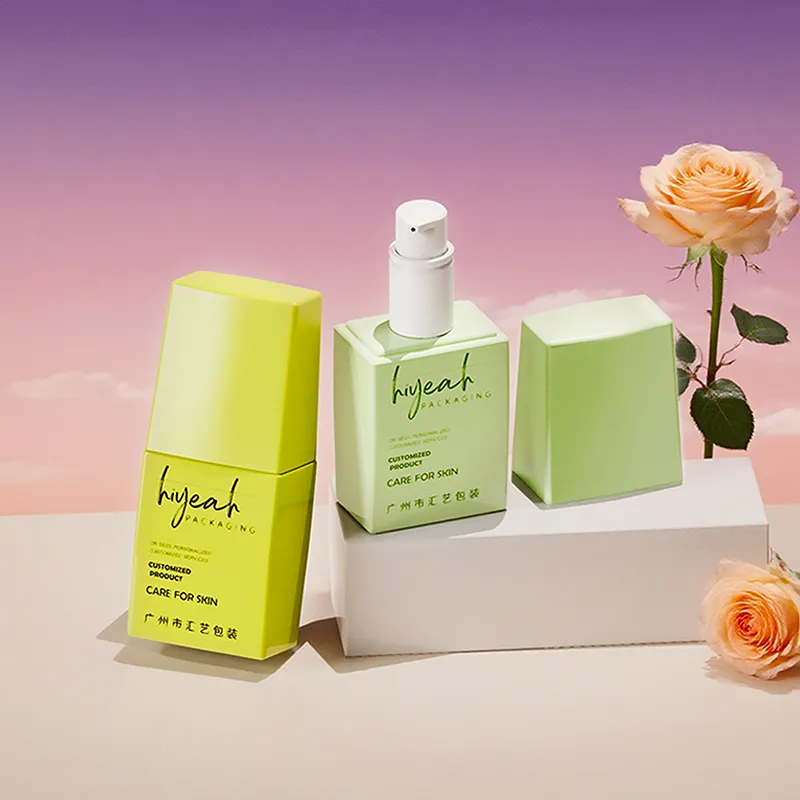
A Toner That Finally Felt Like a Spa
A boutique skincare brand reformulated a rose floral water but kept a cheap plastic trigger. Testers called the spray "harsh and wet." Swapping to a fine mist glass spray bottle with a precision actuator changed the experience completely—the mist landed soft and even, and social clips of the application drove a noticeable lift in repeat orders. For toner and floral water, the glass spray bottle is not just a container; it is part of the ritual buyers pay for.
Risk of a Poor Mist and a Leaky Head
A weak spray head turns a refreshing mist into a single cold jet that wastes product and annoys the user. A leaky glass spray bottle loses precious floral water and can stain a bag. The risk is that the bottle looks fine on the shelf while the one part users touch every day—the actuator—underperforms. Specifying the spray head deserves as much care as the glass.
Spray Pattern Failure
A fine mist needs a matched actuator, dip tube, and spring. Using a generic head on a glass spray bottle often yields large droplets or uneven coverage. Test the actual spray cone on the real formula; what works for water may clump with a glycerin-rich toner.
Glass and Pressure Risks
Glass holds up well but a thin-wall glass spray bottle can crack if dropped or over-torqued at the neck. Internal pressure from a warm, closed bottle also stresses the seal. Choosing correct wall thickness and a vented closure protects the glass spray bottle during transit and daily use.
What Makes the Mist Fine
A fine mist depends on the actuator's orifice, the spring tension, and the dip tube length working together. The target is a cone of small, uniform droplets, not a stream. The right glass spray bottle pairs a quality head with a bottle shape that keeps the dip tube immersed to the last drop.
Spray Head Mechanics
The actuator forces liquid through a tiny orifice at speed, shearing it into droplets. A 0.2–0.3 mm orifice with a calibrated spring yields a soft glass spray bottle mist. Cheap heads skip calibration, so the same bottle sprays differently batch to batch. Request a spray-cone spec from the supplier.
Glass Type and Clarity
Clear soda-lime glass shows the product and reads clean for a toner or floral water. Amber or violet glass adds UV protection for photosensitive blends but changes the look. The glass spray bottle should match both the formula's light sensitivity and the brand's visual language.
Standards Behind a Safe Sprayer
ISO 22715:2016 sets packaging requirements for cosmetics, including leak resistance relevant to any glass spray bottle. ASTM D543 confirms plastic and elastomer parts resist the formula. ASTM E438 classifies glass quality. FDA 21 CFR 700 and EU 1223/2009 define labeling and safety duties for the filled mist.
Migration and Pressure Tests
The actuator, spring, and gasket in a glass spray bottle can leach or corrode with acidic toners. Migration and corrosion testing against the real formula, referenced in ISO 22715 and REACH, confirms the mist stays pure. Suppliers such as Hiyeah provide these test summaries so buyers can specify with confidence.
Line Safety Under OSHA
OSHA 29 CFR 1910.1200 (HazCom) governs fragrance and preservative handling during filling. A clean, labeled line prevents contamination that would compromise every glass spray bottle. Pressure relief during hot-fill and capping also protects workers and the seal integrity of the finished unit.
Specifying the Right Unit
Choosing a fine mist glass spray bottle means matching head, glass, and closure to the formula and the brand. Plan the neck standard and test the spray early to avoid late rework.
Selection Advice
Specify a calibrated fine-mist actuator (0.2–0.3 mm orifice) and a 24/410 neck so one head fits the glass spray bottle family. Pick clear glass for visual toners, amber for light-sensitive floral water. Confirm ASTM D543 pass with the actual formula.
Inspection Advice
Spray-test filled units for cone shape and droplet size. Drop-test the glass spray bottle from 1.2 m. Perform an inverted leak test for 24 hours and check cap torque before approving the production lot.
Usage Advice
Keep the glass spray bottle upright and away from direct sun to protect formula and closure. Prime the head if unused for weeks. Avoid pumping air when empty, which can dry the actuator and widen the mist over time.
Maintenance Advice
Audit spray defect and leak rates quarterly. Retain one glass spray bottle per lot for traceability. Review actuator supplier certificates annually and re-test after any formula change that alters viscosity or pH.
Frequently Asked Questions
Question: What makes a glass spray bottle produce a fine mist?
Answer: A fine mist comes from a calibrated actuator with a 0.2–0.3 mm orifice, a tuned spring, and a correct dip tube that work together to shear liquid into small uniform droplets. A generic head on a glass spray bottle often yields a harsh jet. Request a spray-cone spec and test the real formula, since viscosity changes the pattern.
Question: Is glass better than plastic for toner mist?
Answer: Glass feels premium, is inert, and shows the product clearly, which suits toner and floral water. A glass spray bottle is heavier and breaks if dropped, while PET is lighter and shatter-resistant. For photosensitive blends, amber or violet glass adds UV protection that clear plastic rarely matches. Choose by brand feel, formula sensitivity, and shipping risk.
Question: Why does my mist spray come out as a stream?
Answer: A stream usually means a worn or uncalibrated actuator, a clogged orifice, or a mismatched head on the glass spray bottle. Pumping an empty bottle also dries the actuator and widens the spray. Test the spray cone on the actual formula before ordering, and keep the unit primed and upright to preserve a soft, even mist.
Question: What standards apply to a cosmetic spray bottle?
Answer: ISO 22715:2016 covers cosmetic packaging safety and leak resistance; ASTM D543 confirms chemical resistance of plastic and elastomer parts; ASTM E438 classifies glass; REACH limits coatings and metals. FDA 21 CFR 700 and EU 1223/2009 add labeling rules. A compliant glass spray bottle meets these so it clears retail and customs quality checks.
Question: Can a glass spray bottle hold floral water long term?
Answer: Yes, if the glass is inert and the closure resists the formula. Floral water with preservatives stores well in a glass spray bottle kept away from light and heat. For photosensitive blends, choose amber or violet glass. Migration and corrosion testing of the actuator and gasket against the real formula confirms the mist stays pure through the intended shelf life.
Question: How should a glass spray bottle be tested before launch?
Answer: Spray-test filled units for cone shape and droplet size, drop-test from 1.2 m, and run a 24-hour inverted leak test. Confirm cap torque and check the glass spray bottle for coating or defect under raking light. Verify the actuator passes ASTM D543 with the actual toner or floral water before approving the production lot.