 EN
EN

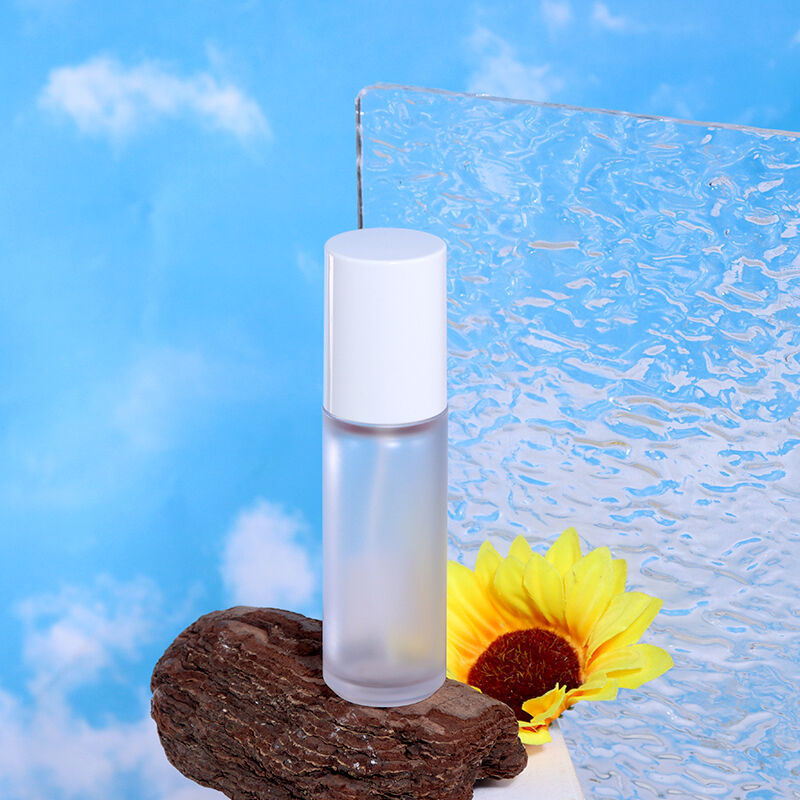
A kozmetikai műanyag palackok szabályozási biztonsági előírásai
Az FDA, az EU Kozmetikai Rendelete és a REACH-szabályozás megfelelőségi követelményei
A kozmetikai műanyag palackoknak meg kell felelniük a szigorú régióspecifikus biztonsági keretrendszereknek. Az Egyesült Államokban az FDA a Federal Food, Drug, and Cosmetic Act (Szövetségi Élelmiszer-, Gyógyszer- és Kozmetikum-törvény) alapján szabályozza a csomagolást, és előírja, hogy az anyagok ne oldódjanak ki káros anyagokként a termékekbe. Az Európai Unióban az 1223/2009/EK rendelettel – és annak kötelező biztonsági értékelési követelményével – való megfelelés alapvető feltétel, miközben a REACH-rendezettség (Kémiai Anyagok Regisztrálása, Értékelése, Engedélyezése és Korlátozása) több mint 200 veszélyes anyagot korlátoz, például ftalátokat és egyes nehézfémeket. A REACH minden műanyag összetevőre vonatkozó kémiai biztonsági dokumentációt ír elő, így biztosítva, hogy a csomagolás egyrészt védje a formulákat a szennyeződéstől, másrészt megakadályozza a fogyasztók toxikus anyagokhoz való kitettségét.
Kozmetikai minőségű vs. élelmiszer-minőségű tanúsítvány: Miért fontos mindkettő?
Élelmiszer-minőségű tanúsítvány – például az FDA 21 CFR 177 – alapvető biztonságot igazol a mellékelt érintkezésre, de nem foglalkozik a kozmetikumok összetételének egyedi kihívásaival. A kozmetikumok – ellentétben az élelmiszerekkel – gyakran olajokat, alkoholokat vagy savakat tartalmaznak, amelyek gyorsítják a műanyagok bomlását. Például egy élelmiszer-minőségű HDPE palack ellenállhat a víznek, de lebontható, ha illóolajokkal töltik meg, és így potenciálisan antioxidánsokat szivárogtathat a szérumokba. A kozmetikum-minőségű tanúsítvány továbbmenő követelményeket állít: kompatibilitási vizsgálatokat – beleértve a termék 2–3 évnyi érintkezését szimuláló gyorsított öregedési teszteket – és migrációs vizsgálatokat valós használati körülmények között. Így a kettős tanúsítvánnyal rendelkező palackok mind az elfogyasztási, mind a bőrön keresztüli felszívódási kockázatok ellen nyújtanak biztosítékot, ami magasabb szintű összetételi integritást és fogyasztóvédelmet tükröz.
A PET-, HDPE- és PP-műanyag palackok anyagbiztonsága és kémiai kompatibilitása
PET-műanyag palackok: átlátszóság, gátfunkció és hidrolíziskockázatok hatóanyagokkal
A PET kiváló átlátszóságot és erős oxigén- és CO₂-gáttulajdonságokat nyújt – ideális a termék integritásának megőrzésére a vizuálisan meghatározott kategóriákban, például tonikoknál és szérumoknál. A PET azonban érzékeny a hidrolízisre vízalapú, savas hatóanyagokat (pl. C-vitamin vagy szalicilsav, pH <4) tartalmazó összetételeknél, ahol a nedvesség hatására a polimer láncok lebomlanak, és nyomokban acetaldehid szabadulhat fel. Bár a PET továbbra is alkalmas anhidrát vagy alkohol-alapú termékekhez – ahol a vizuális megjelenés és a gáttulajdonság döntő fontosságú – a végleges kiválasztás előtt mindig el kell végezni a formulához specifikus kompatibilitási vizsgálatot.
HDPE és PP műanyag palackok: inaktivitás, stabilitás és alkalmasak olajos, emulziós és pH-érzékeny formulákhoz
Az HDPE és a PP kiemelkedik széles körű kémiai inaktivitásukkal és stabilitásukkal extrém pH-tartományokban (pH 1–14), így ideálisak kihívást jelentő összetételekhez, például emulgeált testápolókhoz, illóolaj-keverékekhez, retinoid szérumokhoz és alfa-hidroxi savas (AHA) tonikokhoz. Az HDPE sűrű kristályos szerkezete ellenáll a kifolyásnak, és kiváló nedvességzáró tulajdonságot biztosít, míg a PP kiváló hőállóságot nyújt – akár 135 °C-os melegtöltési folyamatokat is elvisel torzulás vagy lebomlás nélkül. Mindkét anyag alacsony áteresztőképességet mutat oldószerekre és olajokra nézve, így hozzájárul az összetevők homogenitásának és a termék hatékonyságának megőrzéséhez hosszú távú tárolás során.
Újrahasznosítási kódok és kozmetikai biztonság: Miért előnyös a #2 (HDPE), a #4 (LDPE) és az #5 (PP) műanyag palackok használata
A műanyag-azonosító kódok (RIC) gyakorlati mutatóként szolgálnak az anyagok alkalmas voltáról kozmetikai alkalmazásokhoz. A hét szabványos kód közül a #2 (HDPE), a #4 (LDPE) és az #5 (PP) kódú műanyagokat folyamatosan preferálják, mivel bizonyítottan inaktívak, alacsony kivonható anyag-kibocsátással rendelkeznek, és szabályozási engedélyezéssel bírnak. Ellentétben a #3-as PVC-vel – amely ftalátok migrációjának kockázatát hordozza – vagy a #6-os PS-szel, amely elbomlik illóolajokkal való érintkezés során, ez a három műanyag kiváló kompatibilitást nyújt a kozmetikai készítmények széles skálájával.
| Újrahasznosítási kód | Plasztik típusa | Fő kozmetikai biztonsági tulajdonságok |
|---|---|---|
| #2 | HDPE (Nagy sűrűségű polietilén) | Ellenáll savaknak/lúgoknak; ideális samponokhoz és pH-érzékeny szérumokhoz |
| #4 | LDPE (alacsony sűrűségű polietilén) | Rugalmas nedvességzáró réteg; biztonságos olajos emulziókhoz és összenyomható csövekhez |
| #5 | PP (polipropén) | Képes elviselni a hősterilizációt (legfeljebb 135 °C-ig); inaktív alkoholokkal és hatóanyagokkal |
Az HDPE szerkezeti sűrűsége megbízható védelmet nyújt vízalapú formulák számára; az LDPE rugalmassága biztosítja a kiszerelés integritását vastag krémek esetén; a PP hőállósága lehetővé teszi a biztonságos forró töltést. Mindhárom anyagot szabványosított kivonható anyagok vizsgálatnak vetik alá az ISO 10993-12 és az ICH Q5C irányelvek szerint annak ellenőrzésére, hogy összeegyeztethető-e illatanyagokkal, tartósítószerekkel és hatóanyagokkal – ezzel támogatva egyaránt a szabályozási megfelelőséget és a körkörös gazdasági célokat.
Új vs. tanúsított újrahasznosított műanyagok kozmetikai műanyag palackokban
Kivonható és kimosható anyagok vizsgálata rHDPE és rPP műanyag palackoknál
A hitelesített újrahasznosított műanyagok – például az rHDPE és az rPP – használata kozmetikai csomagolásokban szigorú kivonható és kimosható anyagok vizsgálatát igényli a korábbi felhasználásból eredő szennyeződési kockázatok enyhítése érdekében. Független laboratóriumok a valós körülményeket szimulálva érintkeztetik a mintákat olyan oldószerekkel, amelyek a kozmetikai készítmények összetételét tükrözik (pl. etanol, glicerin, citromsav-oldatok), majd gázkromatográfiás-tömegspektrometriás (GC-MS) elemzést végeznek. Amennyiben az rHDPE és az rPP auditált ellátási láncból származik, és az ISO 16000-23 és az OECD 407. vizsgálati irányelv szerint validált, megfelelően vizsgált minták szennyezőanyag-tartalma ≤0,1 ppm, ami jól beleillik az FDA és az EU Kozmetikai Rendelet által meghatározott határértékekbe. Ez a validációs szint biztosítja, hogy az újrahasznosított tartalmú palackok ugyanolyan biztonságot, stabilitást és teljesítményt nyújtsanak, mint a prím anyagból készült alternatívák – így a márkák fenntarthatósági célaikat érhetik el anélkül, hogy kompromisszumot kötnének az EEAT (szakértelem, élettapasztalat, megbízhatóság, átláthatóság) vagy a szabályozási bizalom terén.
GYIK
Milyen szabályozási előírásoknak kell megfelelniük a kozmetikai műanyag palackoknak?
Az Egyesült Államokban az FDA a Federal Food, Drug, and Cosmetic Act (Szövetségi Élelmiszer-, Gyógyszer- és Kozmetikumtörvény) alapján szabályozza a csomagolást. Az Európai Unióban a termék- és fogyasztói biztonság érdekében az 1223/2009/EK rendeletnek és a REACH-rendezettségnek (Kémiai Anyagok Regisztrálása, Értékelése, Engedélyezése és Korlátozása) meg kell felelni.
Miért fontos a kettős tanúsítás (kozmetikai minőségű és élelmiszer-minőségű) a műanyag palackok esetében?
A kettős tanúsítás biztosítja, hogy a műanyag palackok biztonságosak legyenek mind az elfogyasztással járó kockázatok, mind a bőrön keresztüli felszívódás szempontjából. A kozmetikai minőségű tanúsítás a kozmetikai összetételekkel való kompatibilitást vizsgálja, míg az élelmiszer-minőségű tanúsítás az élelmiszerrel érintkező termékek alapvető biztonságát garantálja.
Milyen egyedi biztonsági követelmények vonatkoznak a PET műanyag palackokra?
A PET palackok kiváló átlátszóságot és gátfunkciót nyújtanak, de savas, vízalapú összetételek hatására lebonthatnak, és acetaldehid kibocsátására is képesek. Ideálisak anhidrid vagy alkohol-alapú termékekhez, de különböző összetételek esetén kompatibilitásvizsgálatot igényelnek.
Mik a HDPE és a PP műanyag palackok előnyei a kozmetikumokhoz?
A HDPE és a PP műanyag palackok kémiai inaktivitást, széles pH-tartományban való stabilitást és kifolyásgátló tulajdonságot nyújtanak. A HDPE nedvességzáró hatású, míg a PP hőállóságot biztosít, így alkalmas meleg töltési eljárásokra.
Miért preferálták a #2, #4 és #5 újrahasznosítási kódokat a kozmetikai műanyag palackokhoz?
Ezek a kódok rendre a HDPE-t, az LDPE-t és a PP-t jelölik, amelyek kémiai inaktivitással rendelkeznek, alacsony kivonható anyag-kibocsátással bírnak, és megfelelnek a szabályozási előírásoknak. Kompatibilisek számos kozmetikai összetevővel.
Hogyan tesztelik a biztonságot újrahasznosított műanyagok esetében a kozmetikai csomagolásokhoz?
A tanúsított újrahasznosított műanyagok – például az rHDPE és az rPP – kifolyási és kivonható anyag-vizsgálaton mennek keresztül, amely magában foglalja a gyakorlati oldószer-expozíció szimulációját és a gázkromatográfia-masszaspektrometria (GC-MS) elemzést, így biztosítva a FDA és az EU biztonsági előírásainak teljesítését.
Tartalomjegyzék
- A kozmetikai műanyag palackok szabályozási biztonsági előírásai
- A PET-, HDPE- és PP-műanyag palackok anyagbiztonsága és kémiai kompatibilitása
- Újrahasznosítási kódok és kozmetikai biztonság: Miért előnyös a #2 (HDPE), a #4 (LDPE) és az #5 (PP) műanyag palackok használata
- Új vs. tanúsított újrahasznosított műanyagok kozmetikai műanyag palackokban
-
GYIK
- Milyen szabályozási előírásoknak kell megfelelniük a kozmetikai műanyag palackoknak?
- Miért fontos a kettős tanúsítás (kozmetikai minőségű és élelmiszer-minőségű) a műanyag palackok esetében?
- Milyen egyedi biztonsági követelmények vonatkoznak a PET műanyag palackokra?
- Mik a HDPE és a PP műanyag palackok előnyei a kozmetikumokhoz?
- Miért preferálták a #2, #4 és #5 újrahasznosítási kódokat a kozmetikai műanyag palackokhoz?
- Hogyan tesztelik a biztonságot újrahasznosított műanyagok esetében a kozmetikai csomagolásokhoz?