 EN
EN

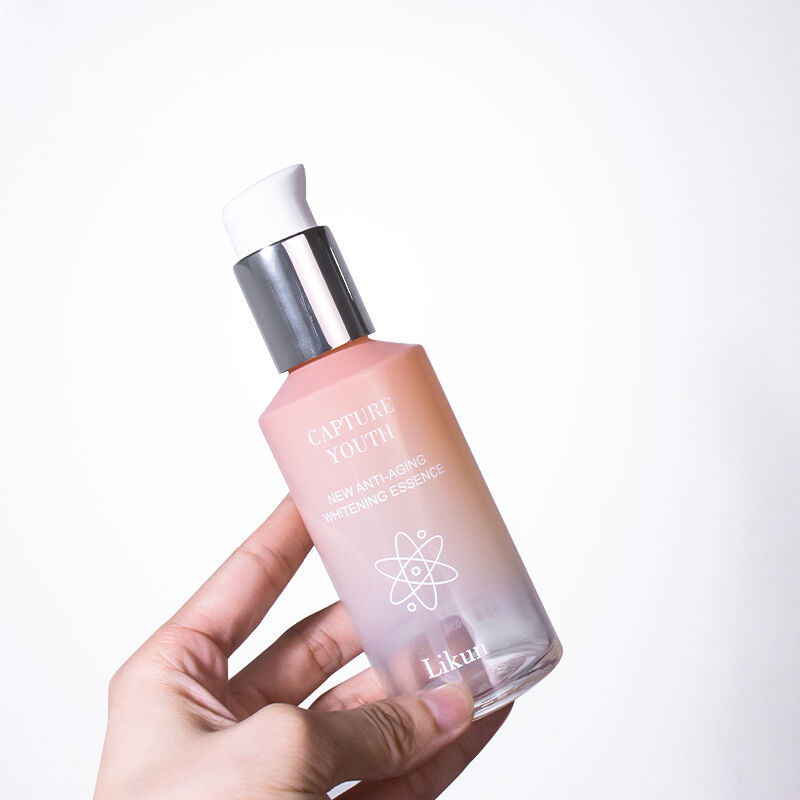
गुलाबी बोतल के पीछे का मनोविज्ञान: भावनात्मक ट्रिगर्स और धारणात्मक प्रभाव
रंग मनोविज्ञान के मूल सिद्धांत: गुलाबी रंग क्यों ऊष्णता, शामकता और सुगमता को जागृत करता है
गुलाबी रंग मनोवैज्ञानिक दृष्टि से एक विशिष्ट स्थान रखता है—लाल की ऊर्जा और सफेद की शुद्धता के मिश्रण से यह पोषण, दयालुता और भावनात्मक सुरक्षा के साथ संबद्ध होता है। संस्कृतियों के आर्थिक रूप से इसका संबंध लगातार उष्णता और सुगमता के साथ होता है, जिससे यह उपभोक्ता उत्पादों के लिए विशेष रूप से प्रभावी हो जाता है, जहाँ विश्वास और कोमलता का महत्व होता है। न्यूरोवैज्ञानिक अनुसंधान से पता चलता है कि गुलाबी रंग आराम और सुरक्षा से जुड़े मस्तिष्क के क्षेत्रों को सक्रिय करता है, जिससे चिकित्सकीय सेटिंग्स में हृदय गति में 15% तक की कमी आ सकती है। जब इसे पैकेजिंग—जैसे कि एक गुलाबी बोतल—पर लागू किया जाता है, तो ये प्रभाव सीधे वाणिज्यिक लाभों में बदल जाते हैं:
- उत्पाद की आक्रामकता की धारणा में कमी (उदाहरण के लिए, संवेदनशील त्वचा की देखभाल या ओटीसी फार्मास्यूटिकल्स में)
- कोमलता और देखभाल की धारणा में वृद्धि, विशेष रूप से उन फॉर्मूलेशन्स के लिए जिन्हें 'शामक' या 'डर्मेटोलॉजिस्ट-परीक्षित' के रूप में बाजार में पेश किया गया है
- पहली बार खरीदारों के लिए बढ़ी हुई दृश्य पहुँच, जो किसी भी लेबल को पढ़े बिना ही एक गैर-आक्रामक संकेत के रूप में कार्य करता है
सकारात्मक बचपन की यादों और समावेशी स्त्रैणता के साथ इसका अनुरणन अवचेतन विश्वास को और मजबूत करता है—अक्सर उपभोक्ताओं द्वारा ब्रांड नाम या कार्यक्षमता को पहचाने से भी पहले।
न्यूरोवैज्ञानिक अंतर्दृष्टि: गुलाबी रंग का ध्यान, डोपामाइन प्रतिक्रिया और पहली नज़र में संसाधन पर प्रभाव
न्यूरोइमेजिंग अध्ययनों से पुष्टि होती है कि त्वरित उत्पाद मूल्यांकन के दौरान गुलाबी रंग विशिष्ट कॉग्निटिव लाभ प्रदान करता है। लाल जैसे उच्च-उत्तेजना वाले रंगों के विपरीत, गुलाबी रंग मध्यम डोपामाइन के उत्सर्जन को उत्तेजित करता है—जिससे सुखद, कम-दबाव वाले संबंध बनते हैं जो निर्णय लेने का समर्थन करते हैं, न कि उसे अधिभारित करते हैं। आँख-ट्रैकिंग डेटा से पता चलता है कि गुलाबी पैकेजिंग वाले उत्पादों की तुलना में तटस्थ रंग के विकल्पों के प्रति प्रारंभिक दृश्य स्थिरीकरण 40% कम होता है। महत्वपूर्ण रूप से, मस्तिष्क गुलाबी रंग को केवल 250 मिलीसेकंड में ही 'सुरक्षित' और 'आकर्षक' के रूप में वर्गीकृत करता है—जो एक पल की झिपकी के बराबर है—जिससे तुरंत भावनात्मक फ्रेमिंग संभव हो जाती है। यह गति गुलाबी बोतलों को भीड़-भाड़ वाली शेल्फ़ों पर एक निर्णायक लाभ प्रदान करती है, जहाँ:
- ध्यान आकर्षित करना चेतन मूल्यांकन से पहले होता है
- सकारात्मक भावना स्वचालित रंग-भावना संबंधन के माध्यम से ब्रांड धारणा में बिना किसी अवरोध के स्थानांतरित हो जाती है
- संज्ञानात्मक भार कम हो जाता है, जिससे निर्णय थकान कम होती है और प्रयोगात्मक अपनाने को समर्थन मिलता है
परिणामस्वरूप, दृश्य रुचि से व्यवहारात्मक इरादे तक एक सूक्ष्म किंतु शक्तिशाली मनोवैज्ञानिक सेतु बनता है।
गुलाबी बोतल का व्यावहारिक उपयोग: सिद्ध शेल्फ प्रभाव और ब्रांड विभेदीकरण
सौंदर्य एवं त्वचा-देखभाल का केस अध्ययन: ग्लॉसियर की मिलेनियल गुलाबी बोतल और इसका सोशल एंगेजमेंट तथा कन्वर्ज़न में 34% का वृद्धि
ग्लॉसियर की प्रतिष्ठित मिलेनियल गुलाबी बोतल रणनीतिक रंग अनुप्रयोग का एक उदाहरण है। इसके मुख्य उत्पादों में इसके सुसंगत उपयोग ने तुरंत शेल्फ पहचान बनाई और मिलेनियल तथा जेन जेड दर्शकों के साथ मजबूत भावनात्मक समानता को बढ़ावा दिया। एक 2023 के आंतरिक केस अध्ययन में इस एकीकृत पैकेजिंग प्रणाली के शुरू होने के बाद सोशल मीडिया एंगेजमेंट और कन्वर्ज़न दरों में 34% की वृद्धि का दस्तावेज़ीकरण किया गया। यह रंग आधुनिकता और प्रामाणिकता को व्यक्त करता था, बिना स्पष्ट रूप से लैंगिक अर्थ दिए—जिससे स्वतः उत्पन्न उपयोगकर्ता-उत्पन्न सामग्रि (UGC) और मौखिक प्रचार को प्रोत्साहित किया गया। इस प्रकार, ग्लॉसियर ने पैकेजिंग को एक कार्यात्मक कंटेनर से एक ब्रांड-परिभाषित संपत्ति में बदल दिया—जो साबित करता है कि रंग-आधारित सुसंगतता भौतिक खुदरा और डिजिटल स्पर्श बिंदुओं दोनों पर पारंपरिक डिज़ाइन को पीछे छोड़ सकती है।
शेड रणनीति: कोरल-गुलाबी, धूल भरा गुलाबी और बबलगम के रंग कैसे प्रभावकारिता, विलासिता और लक्षित दर्शक समूह के अनुकूलता की धारणाओं को आकार देते हैं
सभी गुलाबी रंग एक ही संदेश नहीं देते हैं। सटीक शेड का चयन करने से ब्रांड्स भावनात्मक संकेतन को सूक्ष्म-समायोजित कर सकते हैं और श्रेणी की अपेक्षाओं के साथ संरेखित हो सकते हैं:
| छाया | धारित विशेषताएँ | लक्ष्य दर्शकों के साथ समंजन |
|---|---|---|
| प्रवाल-गुलाबी | ऊर्जा, स्फूर्ति | युवा, सक्रिय उपभोक्ता |
| धूल भरा गुलाबी | परिष्कृतता, विलासिता | प्रीमियम स्किनकेयर की तलाश करने वाले |
| च्युइंग गम | खेल-भाव, सुगमता | किशोर/युवा वयस्क बाज़ार |
प्रवाल-गुलाबी रंग उत्तेजक प्रदर्शन का संकेत देता है—जो ऊर्जावर्धक सीरम या कल्याण टॉनिक के लिए आदर्श है। धूलिमय गुलाबी रंग धारित मूल्य और परिष्कृतता को बढ़ाता है, जो एंटी-एजिंग या क्लिनिकल-ग्रेड उत्पाद श्रेणियों में प्रीमियम मूल्य निर्धारण का समर्थन करता है। बबलगम के रंग उपभोक्ता प्रवेश के लिए बाधाओं को कम करते हैं, जो युवा जनसंख्या के लिए मेकअप या हेयरकेयर में किफायती और मज़ेदार छवि का संकेत देते हैं। जैसा कि पैकेजिंग डाइजेस्ट (2024) ने नोट किया है, रंग उत्पाद की प्रारंभिक पहचान का 80% निर्धारित करता है—इसलिए रंग का चयन केवल सजावटी नहीं, बल्कि स्थिति निर्धारण के लिए मूलभूत है।
गुलाबी बोतल और उपभोक्ता व्यवहार: दृश्य निरीक्षण समय से खरीद निर्णय तक
आँख-ट्रैकिंग के साक्ष्य: गुलाबी पैकेजिंग वाले उत्पादों पर 2.3× अधिक दृश्य निरीक्षण समय (पैंटोन + काओ, 2023)
पैंटोन और काओ के बीच 2023 में एक मील का पत्थर सहयोग ने गुलाबी रंग के दृश्य ध्यान पर अत्यधिक प्रभाव की पुष्टि की: गुलाबी पैकेजिंग में उपलब्ध उत्पादों का दृश्य निरीक्षण समय श्रेणी के संदर्भ मानकों की तुलना में 2.3× अधिक था। यह विस्तारित एंगेजमेंट गुलाबी रंग के आदर्श विपरीतता-से-स्वीकार्यता अनुपात से उत्पन्न होता है—यह शेल्फ पर अलग दिखाई देता है, लेकिन रक्षात्मकता या संवेदी अतिभार को ट्रिगर नहीं करता। इसका समर्थन न्यूरोइमेजिंग डेटा द्वारा किया गया है, जो पुष्टि करता है कि गुलाबी रंग, बेज, ग्रे या सफेद विकल्पों की तुलना में तेज़ और अधिक सकारात्मक डोपामाइन प्रतिक्रिया उत्पन्न करता है। यह जैविक लाभ सीधे व्यवहार में अनुवादित होता है: खरीदार गुलाबी बोतलों वाले वस्तुओं पर विचार करने में अधिक समय व्यतीत करते हैं, जिससे तुलना करने, सूचना का स्कैनिंग करने और अंततः चयन करने की संभावना बढ़ जाती है।
प्रथम धारणा को कार्य से जोड़ना: गुलाबी बोतल का डिज़ाइन कैसे धारित जोखिम को कम करता है और परीक्षण के इरादे को त्वरित करता है
उन श्रेणियों में, जहाँ संवेदनशीलता, जलन या अपरिचित सामग्री उपभोक्ताओं के आकर्षण में बाधा डालती है—जैसे कि सुगंध-मुक्त त्वचा देखभाल या प्रोबायोटिक पूरक पदार्थों में—गुलाबी बोतल एक दृश्य आश्वासन संकेत के रूप में कार्य करती है। उपभोक्ता अवचेतन रूप से मृदु गुलाबी रंगों को कोमलता, कम कठोरता और संगतता के साथ जोड़ते हैं—जिससे एक भी सामग्री पढ़े बिना ही धारित जोखिम कम हो जाता है। शोध से पता चलता है कि जब पैकेजिंग में मंद या पेस्टल गुलाबी रंगों का उपयोग किया जाता है, तो खरीदार 41% अधिक आत्मविश्वास के साथ उत्पाद की उपयुक्तता की रिपोर्ट करते हैं। यह भावनात्मक पूर्व-तैयारी विचार-चरण को काफी कम कर देती है: दृश्य आकर्षण विशेष रूप से सावधान या पहली बार के उपयोगकर्ताओं के बीच परीक्षण के इरादे में अधिक सहजता से परिवर्तित हो जाता है। गुलाबी बोतल केवल आकर्षित करती है—यह आमंत्रित करती है .
श्रेणियों के आधार पर गुलाबी बोतल का रणनीतिक उपयोग
गुलाबी बोतल की रणनीति सौंदर्य के क्षेत्र से कहीं अधिक विस्तृत है—यह पेय, पूरक आहार, घरेलू सफाई उत्पादों और यहाँ तक कि पालतू जानवरों के स्वास्थ्य उत्पादों तक फैली हुई है, जहाँ रंग के शेड का चयन श्रेणी के संदर्भ और लक्ष्य दर्शकों की अपेक्षाओं के अनुसार सटीक रूप से किया जाता है। कार्यात्मक पेय पदार्थों के लिए, प्रवाल-गुलाबी रंग जीवंतता का संकेत देता है; प्रोबायोटिक पूरक आहार के लिए, गुलाबी क्वार्ट्ज शुद्धता और शामकता को प्रकट करता है; युवा लक्षित सफाई स्प्रे के लिए, बबलगम के रंग सुगमता और आसानी को मजबूत करते हैं। व्यक्तिगत रूप से अनुकूलित पैकेजिंग के लिए बोतलें अभी भी प्रमुख प्रारूप बनी हुई हैं—जो 2025 तक बाजार के 47% हिस्से को बनाए रखने का अनुमान है—क्योंकि इनका छपाई योग्य सतह क्षेत्र बड़ा होता है और ये प्रीमियम स्पर्शगत गुणों से युक्त होती हैं, जो रंग के मनोवैज्ञानिक प्रभाव को बढ़ाती हैं। सफलता की कुंजी है उद्देश्यपूर्ण एकीकरण: वैज्ञानिक रूप से समर्थित पूरक आहार के लिए पैस्टल रंग की बोतलों को वैज्ञानिक दावों के साथ जोड़ना, या सीमित संस्करण के पेय पदार्थों के लिए चमकदार धात्विक फिनिश को जीवंत गुलाबी रंगों के साथ जोड़ना। लक्ष्य गुलाबी रंग का डिफ़ॉल्ट विकल्प के रूप में उपयोग करना नहीं है—बल्कि इसका सटीक और सावधानीपूर्ण उपयोग करना है, ताकि रंग से उत्पन्न मनोवैज्ञानिक उत्तेजनाएँ कार्यात्मक लाभों के साथ पूर्णतः सुसंगत हों और धारणात्मक असंगतता से बचा जा सके।
अक्सर पूछे जाने वाले प्रश्न
उत्पाद पैकेजिंग के लिए गुलाबी रंग क्यों प्रभावी है?
गुलाबी रंग पैकेजिंग के लिए प्रभावी है क्योंकि यह विश्वास, ऊष्मा और सुगमता के साथ जुड़ा हुआ है, जो उपभोक्ताओं की मैत्रीपूर्णता और देखभाल के प्रति धारणाओं को बढ़ा सकता है।
गुलाबी रंग का उपभोक्ता ध्यान और व्यवहार पर क्या प्रभाव पड़ता है?
अध्ययनों से पता चला है कि गुलाबी पैकेजिंग अधिक दृश्य ध्यान आकर्षित करती है और दृश्य निरीक्षण का समय बढ़ाती है, जिससे मध्यम डोपामाइन रिलीज को उत्तेजित किया जाता है, जो उत्पाद के प्रति अधिक सशक्त रुचि और खरीद के इरादे को जन्म दे सकता है।
गुलाबी के विभिन्न शेड्स ब्रांड पोजिशनिंग को कैसे प्रभावित करते हैं?
गुलाबी के विभिन्न शेड्स विभिन्न ब्रांड पहचानों के साथ संरेखित हो सकते हैं—एक प्रवाल-गुलाबी जीवंतता का संकेत दे सकता है, धूलिमय गुलाबी विलासिता का संकेत दे सकता है, और बबलगम गुलाबी खेल-पूर्णता का संकेत दे सकता है, जिससे विभिन्न उपभोक्ता वर्गों के लिए लक्षित विपणन रणनीतियाँ तैयार की जा सकती हैं।