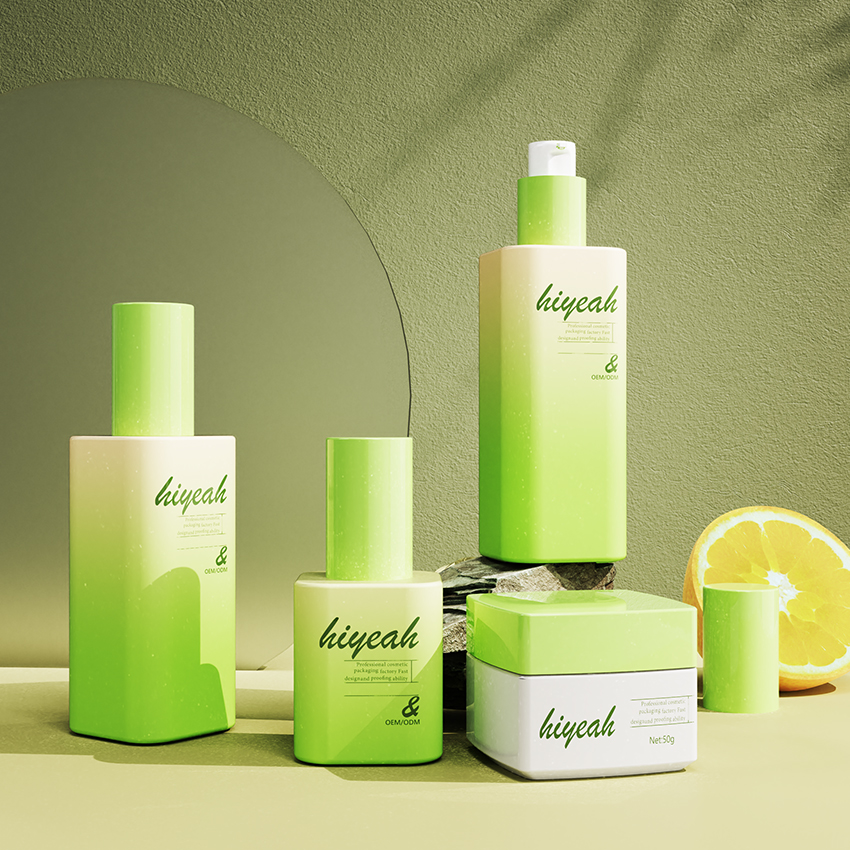
Räätälöity kosmetiikkapakkaus käsitetään usein kustannukseksi ja toimii myyntityökaluna, koska säiliö on se ensimmäinen asia, jota asiakas koskettaa, ja viimeinen asia, jota hän muistaa. Erityisesti myyvän ja pelkästään tuotteen sisältävän pakkauksen välillä on ero...
Näytä lisää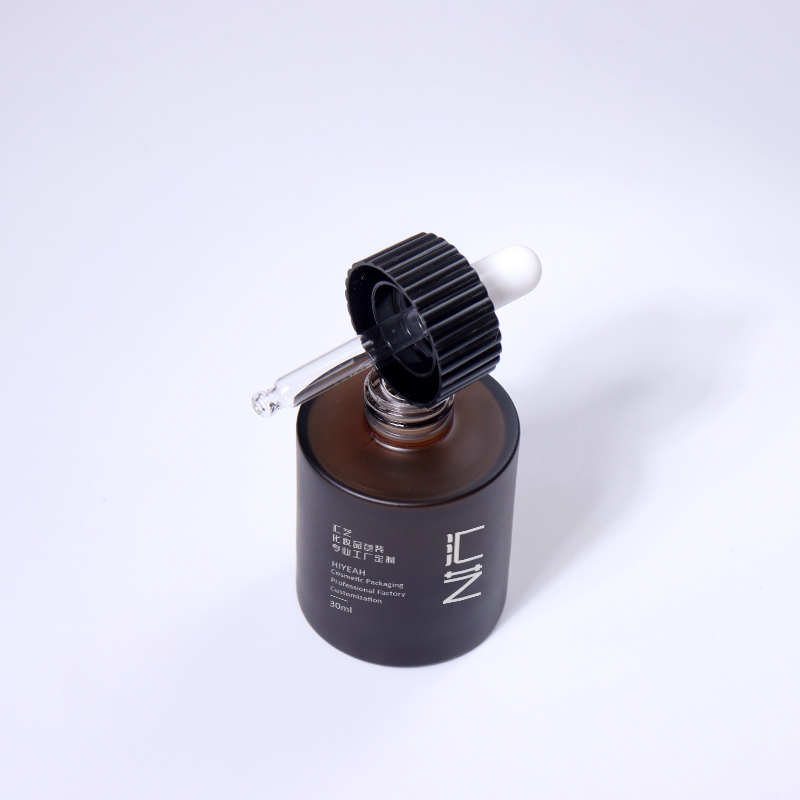
Miksi anti-valo pudotuspullo sopii oleellisten öljyjen pakkaamiseen? Oleelliset öljyt hajoavat valon vaikutuksesta, ja säiliö on ainoa este öljyn ja hyllyn välillä. Anti-valo pudotuspullo ratkaisee molemmat ongelmat yhtä aikaa, koska värjätty tai...
Näytä lisää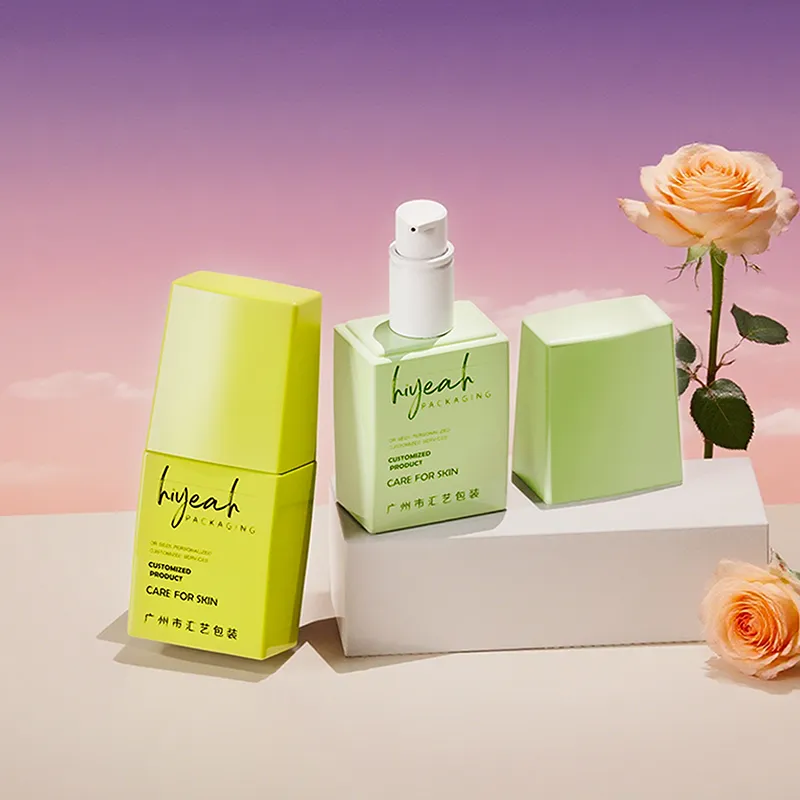
Toneri, joka lopulta tuntui kuin spa-kohtaus. Pieni hoitotuotteita valmistava brändi uudelleenmuotoili ruusun kukkavettä, mutta säilytti edullisen muovisen liipaisimen. Testaajat kuvasivat suihketta "kovan ja kosteana". Vaihto hienohäkäiseen lasipullokäyttöiseen suihkepurkkiin tarkkuusliipaisimella muutti...
Näytä lisää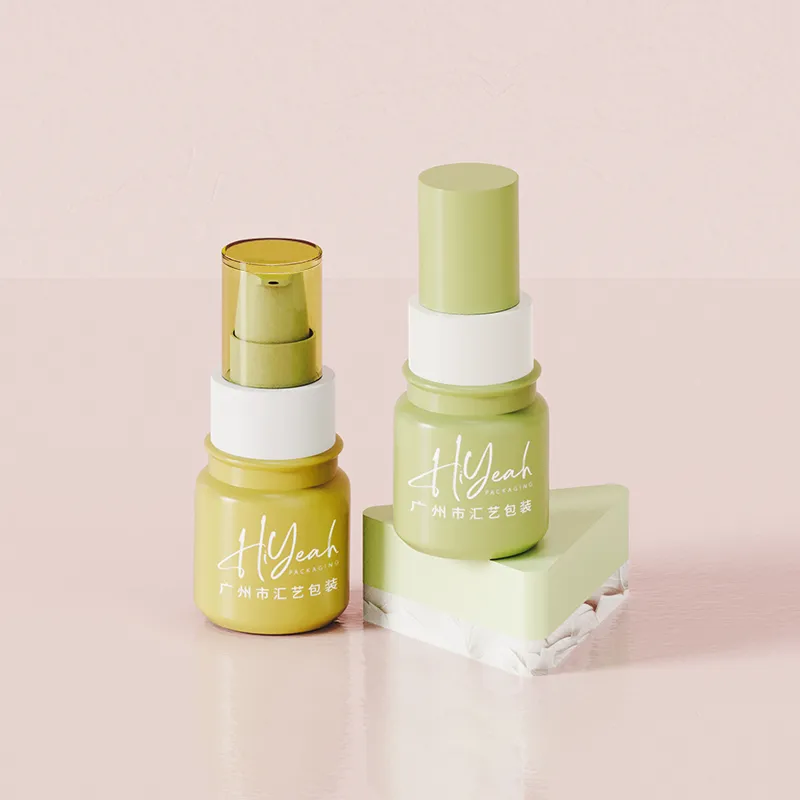
Monipuoliset pienet pullokansat erilaisia kokeilutarpeita varten – näytteistä muodostuva kampanja, joka kattoi kaikki kanavat. Clean-beauty -merkille tarvittiin yksi pienien pullojen perhe, jolla voitiin tarjota 5 ml:n vaikutus henkilöiden (influencer) esittelyyn, 10 ml:n tilauskokeilu ja 30 ml:n matkailijoiden vähittäismyynti...
Näytä lisää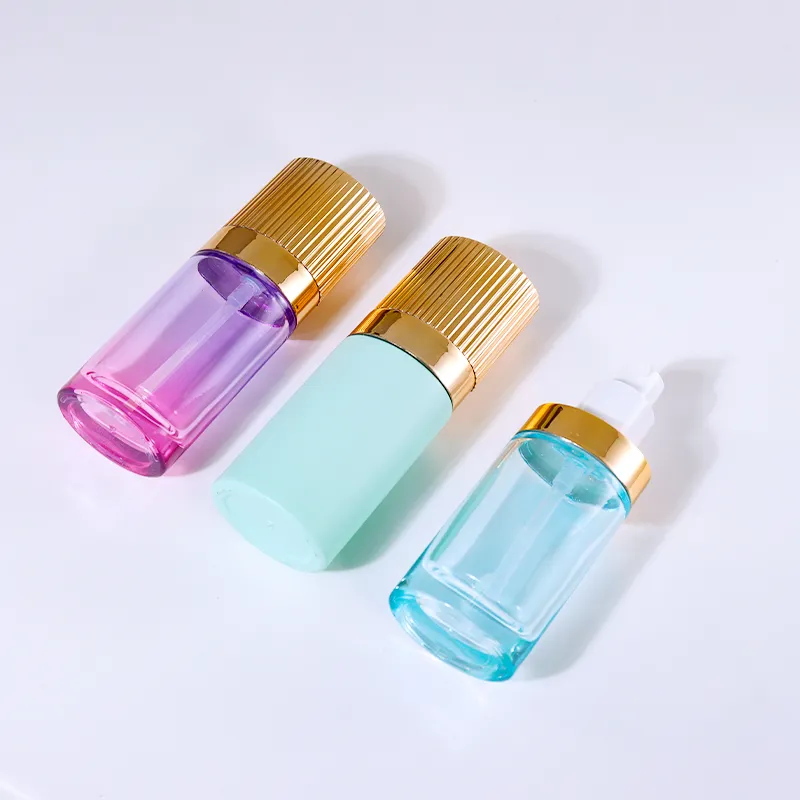
Mattopohjapullo luo minimalistisen ja muodikkkaan ulkoasun. Uudelleenlanssattu tuote, joka myi pois hiljaa. Eteläkorealainen cushion-merkki uudisti mattopohjansa frosted-pohjapullon ympärille, jossa on pehmeäpintainen paininappi. Aiempi läpinäkyvä pullo testattiin hyvin ...
Näytä lisää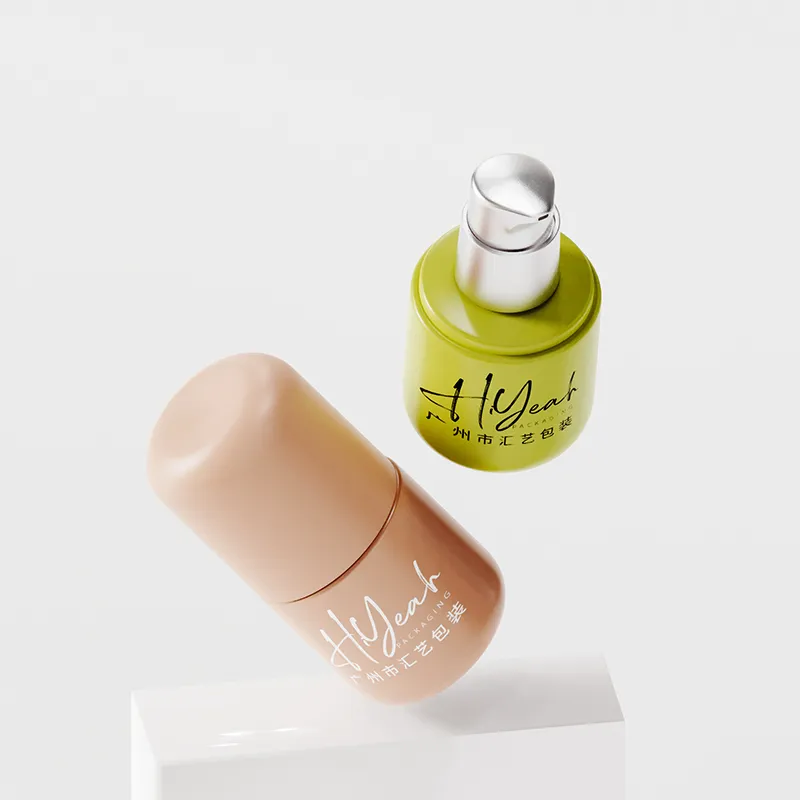
Miten valita anti-UV-oliopullo? Kesäkuun lähetys, joka menetti tuoksunsa. Taiwanilainen aromaterapiamyynnin toimija lähetti 3 000 yksikköä sitruunasekoitusta selkeästä lasista valmistettuihin oliopulloon varastoon 40 °C:n kuljetusreittiä pitkin. Kolmen viikon sisällä...
Näytä lisää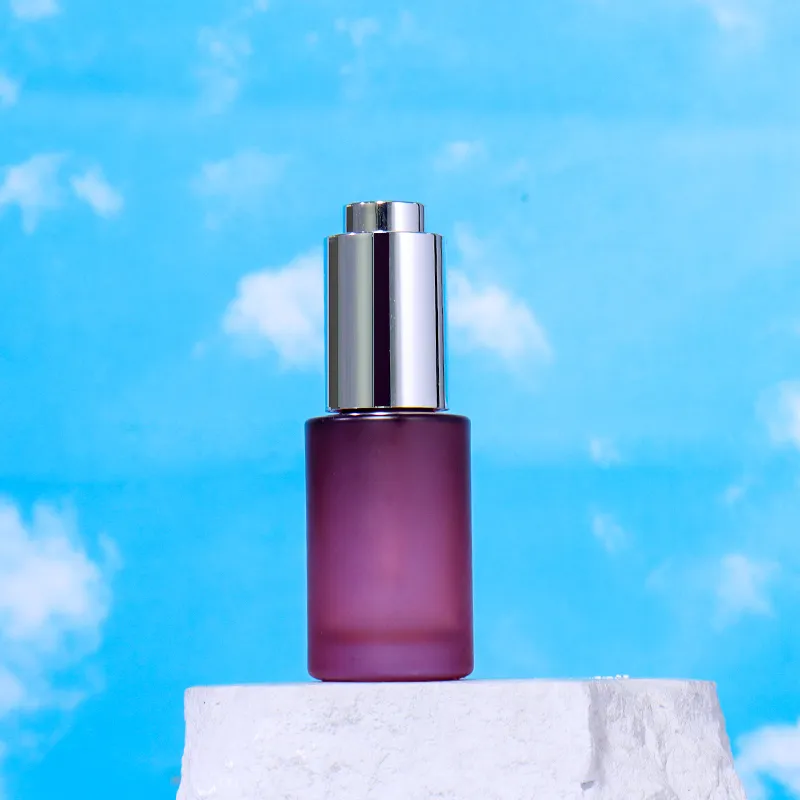
Kun tiukka budjetti kohtasi premium-hyllyn: Etelä-Aasian itsenäinen merkki käynnisti kerran 12-tuotteen ihonhoitolinjan kiinteällä pakkausbudjetilla 1,80 dollaria kohden. Perustaja oletti, että ilmaton pumpumpullo oli välttämätön jokaiselle kaavalle. Kustannusanalyysin jälkeen...
Näytä lisää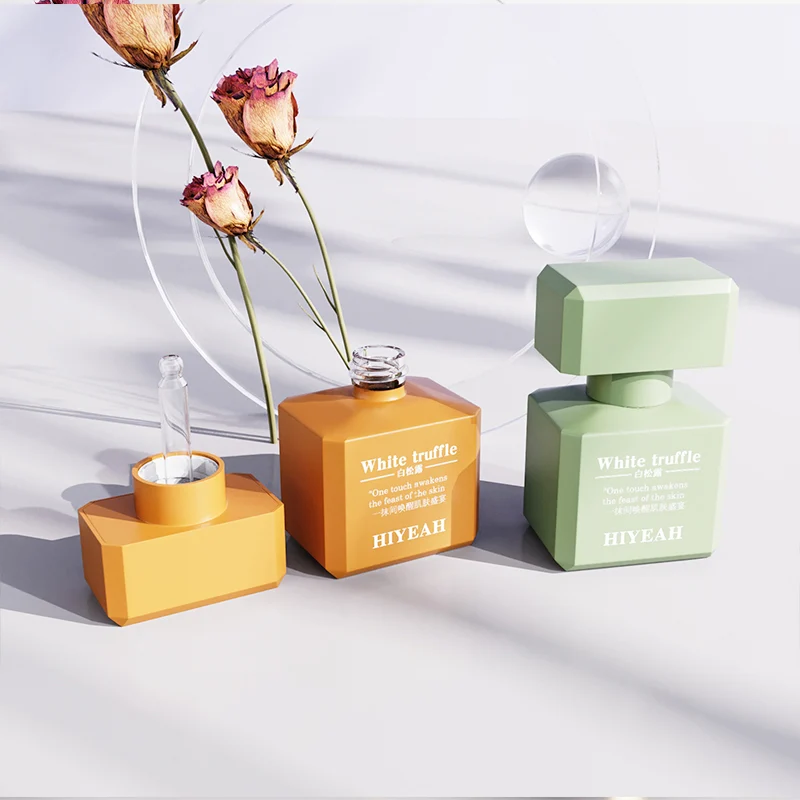
Luonnoksesta hyllylle: mukautettujen muottien valmistuksen ymmärtäminen lasipullojen tehtaassa. Merkki, joka haluaa pullomuodon, jota kukaan muu ei ole käyttänyt – esimerkiksi epäsymmetrisen serum-pulloon, kuusikulmaisen voitepakkauksen tai kyynelmuotoisen hajusteputken – aloittaa ei...
Näytä lisää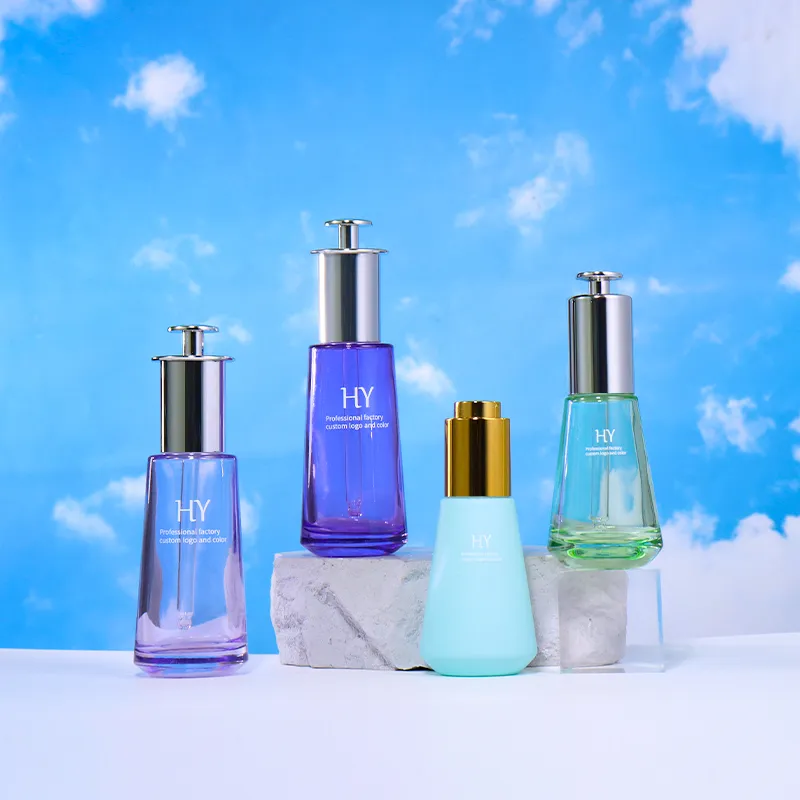
Mattan edut: miten kirkastettua peruspohjapulloa mukautetaan niin premium-tunteisesti kuin se näyttääkin. Peruspohjan pakkaus kantaa erityistä taakkaa kosmetiikkasäiliöiden joukossa: pullo on oltava läpinäkyvä, jotta tuotteen sävy näkyy – asiakkaat haluavat varmistaa, että...
Näytä lisää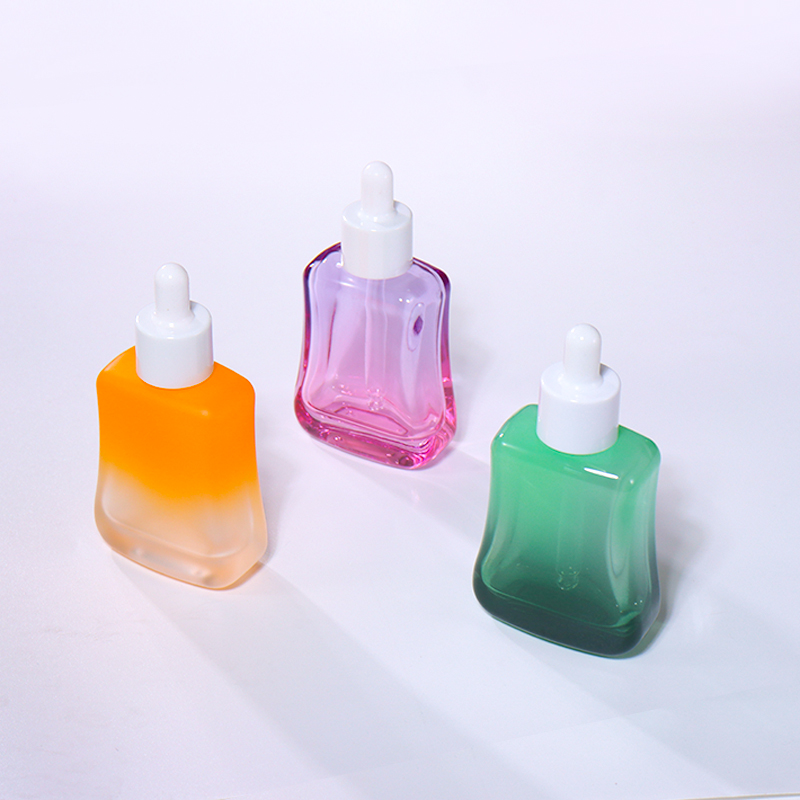
Lasin musteen haaste: miten logo tulostetaan kestävästi olje-pullooon? Oljeet ovat kemiallisesti aggressiivisia. Sitruunasta peräisin oleva limoneeni, pippurilangosta peräisin oleva eugenoli ja teepuusta peräisin oleva terpineeni liuottavat monet yleiset tulostusmustat ja liimojen...
Näytä lisää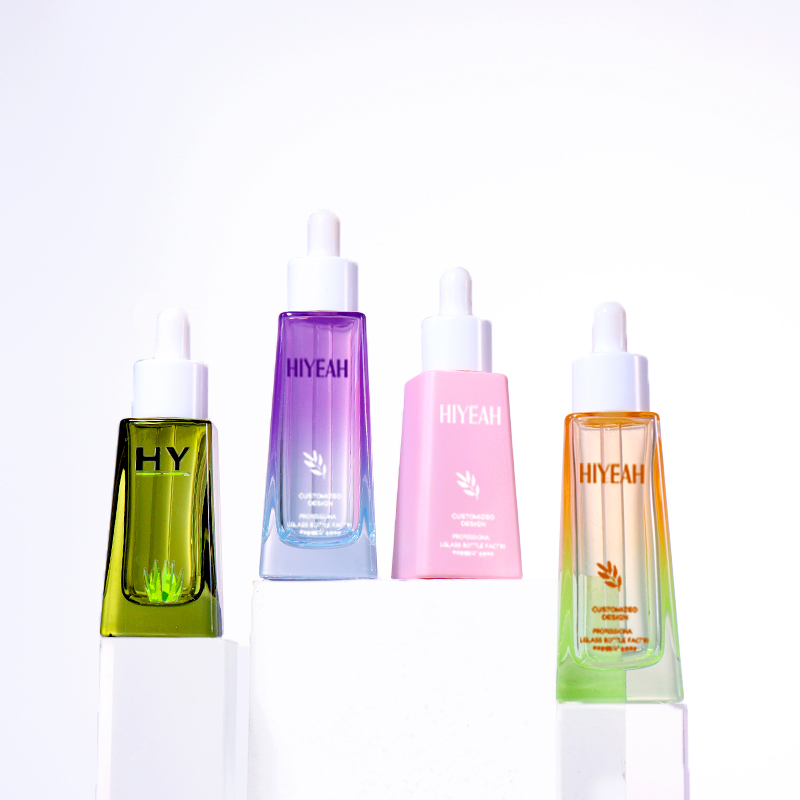
Miten värillistä tiputuspulloa voidaan mukauttaa siten, että se suojaa sisällä olevaa kaavaa? Tiputuspullo palvelee kahta tarkoitusta: tarkan annostelun (tiputusmekanismi on toimittava johdonmukaisesti samankokoisia tippojä) ja kaavan suojelun (lasin on suojattava sisältöä...
Näytä lisää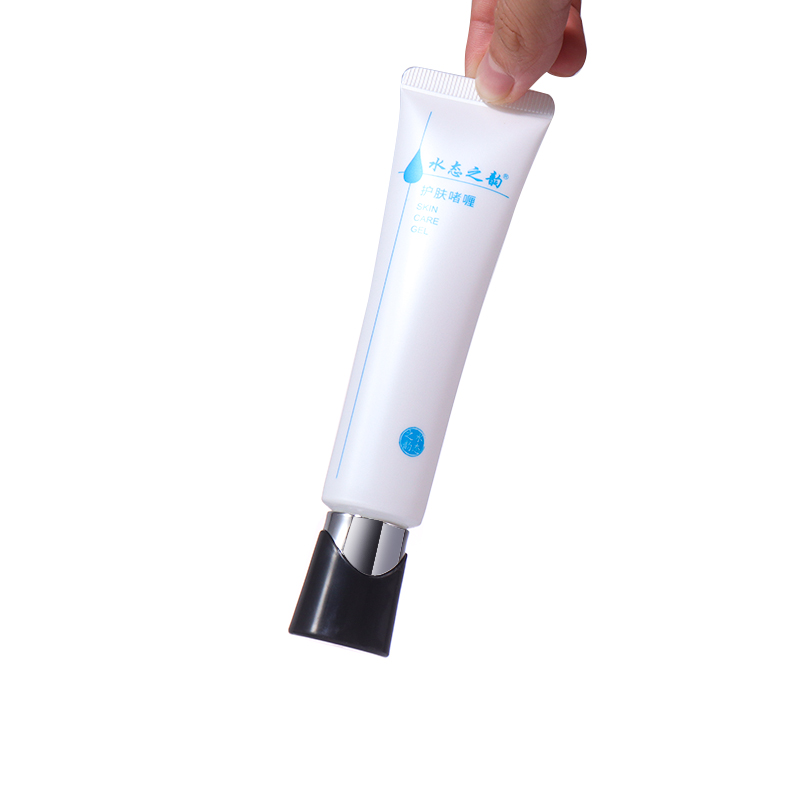
Miten räätälöity ihonhoitopakkauksen suunnittelu luo visuaalisen identiteetin, jota asiakkaat muistavat. Serum-pullo, joka seisoo tavaratalon hyllyssä, on noin kolme sekuntia aikaa kiinnittää asiakkaan huomion ennen kuin tämä siirtää katseensa seuraavaan tuotteeseen. Näissä...
Näytä lisää EN
EN