 EN
EN

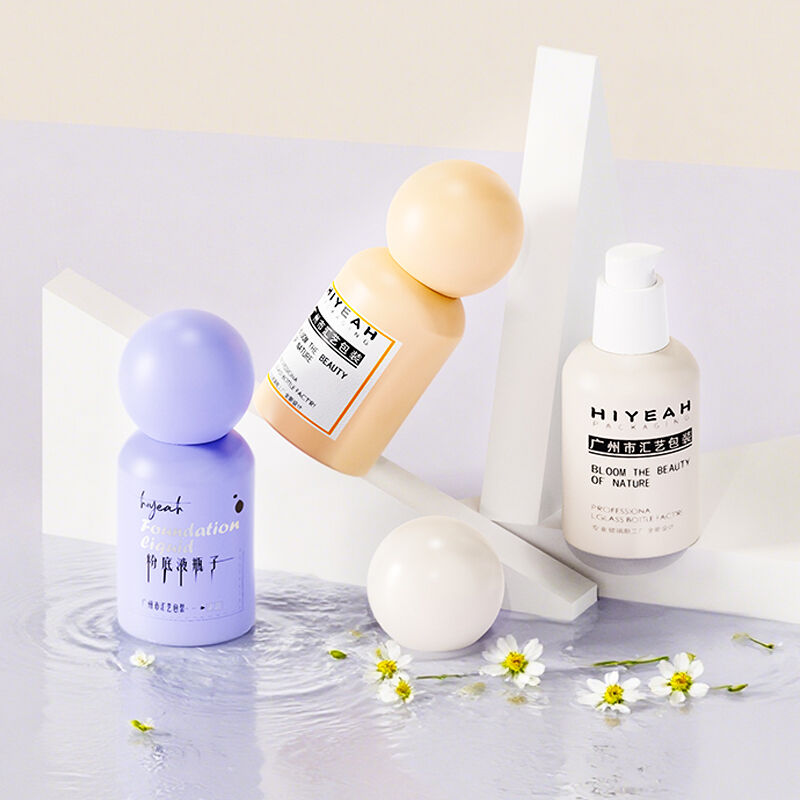
Επιλογή υλικού και απόδοση: Ισορροπία μεταξύ πολυτέλειας, λειτουργικότητας και κόστους στα μπουκάλια καλλωπιστικών
PET έναντι γυαλιού έναντι αλουμινίου: Συμβιβασμοί για τη θέση της μάρκας και τη συμβατότητα με τύπους
Η επιλογή του υλικού καθορίζει τόσο την αγοραστική θέση ενός καλλυντικού δοχείου όσο και την τεχνική του εφαρμοσιμότητα. Το γυαλί παραμένει το πρότυπο για την πολυτέλεια—προσφέροντας προνομιακή αισθητική και χημική αδράνεια, ιδανική για ευαίσθητες συντάξεις όπως τα σερούμ της βιταμίνης C. Η ευθραυστότητά του, ωστόσο, αυξάνει το κόστος μεταφοράς κατά 15–30% σε σύγκριση με εναλλακτικά υλικά. Το PET προσφέρει ελαφρότητα, οικονομικότητα και ανθεκτικότητα σε θραύση για εφαρμογές μαζικής αγοράς, αλλά είναι ευάλωτο σε ρωγμές λόγω τάσης όταν εκτίθεται σε αλκοολούχες συντάξεις. Το αλουμίνιο προσφέρει ισχυρή προστασία από την υπεριώδη ακτινοβολία και υψηλή ανακυκλωσιμότητα, αν και οι μη επενδυμένες εκδόσεις του ενδέχεται να υποστούν διάβρωση από οξέα δραστικά συστατικά. Οι ετικέτες προνομιακών προϊόντων επιλέγουν συχνά το γυαλί παρά τα υψηλότερα κόστη· οι ετικέτες με επίκεντρο τη βιωσιμότητα υιοθετούν ολοένα και περισσότερο το αλουμίνιο για το προφίλ κυκλικότητάς του. Κατ’ εξοχήν, η δοκιμή συμβατότητας είναι απαραίτητη—το 78% των αποτυχιών προϊόντων οφείλεται σε ασυμβατότητα μεταξύ υλικού και σύνθεσης, σύμφωνα με τις μελέτες σταθερότητας συσκευασίας του 2024.
Βασικά Μετρήσιμα Χαρακτηριστικά Υλικού: Διαφάνεια, Ομοιογένεια Πάχους Τοιχώματος και Πρότυπα Ανοχής Ελαττωμάτων
Πέραν του βασικού υλικού, τρία μετρήσιμα χαρακτηριστικά απόδοσης καθορίζουν την αισθητική ακεραιότητα του δοχείου. Οι απαιτήσεις διαφάνειας ευθυγραμμίζονται με τις ανάγκες της σύνθεσης και το επίπεδο της μάρκας:
- Τα προϊόντα πολυτελείας για τη φροντίδα του δέρματος απαιτούν διαπερατότητα φωτός >92% στο γυαλί
- Το αδιαφανές PET μπορεί να ανέχεται θόλωση 5–10% για να προστατεύσει τα συστατικά ευαίσθητα στην υπεριώδη ακτινοβολία
Η ομοιογένεια του πάχους τοιχώματος προλαμβάνει τη διαρροή και τη παραμόρφωση. Τα βιομηχανικά πρότυπα επιβάλλουν αυστηρές ανοχές:
| Υλικό | Κατώφλι Ανοχής | Κύριος Κίνδυνος Αποτυχίας |
|---|---|---|
| Γυαλί | ±0,15 mm | Σχίσματα |
| Τεχνητή Νοημοσύνη (ΤΝ) | ±0,20 χιλιοστά | Αποτυχία της ραφής |
| Αλουμίνιο | ±0,10 χιλιοστά | Δαμασμό |
Η ανοχή ελαττωμάτων αντικατοπτρίζει τις προσδοκίες ποιότητας. Τα δοχεία υψηλής ποιότητας απορρίπτουν μονάδες με:
- Ορατές εγκλείσεις >0,3 mm
- Μεταβολή βάρους που υπερβαίνει το 2%
- Επιφανειακές γρατζουνιές βαθύτερες από 5 μικρόμετρα
Οι εναλλακτικές λύσεις για την αγορά μαζικής κατανάλωσης δέχονται όρια ελαττωμάτων 3–5 φορές υψηλότερα. Ο αυστηρός έλεγχος ποιότητας μειώνει τις επιστροφές από τους καταναλωτές κατά 40%, σύμφωνα με τους ελέγχους συσκευασίας του 2023.
Ακριβής Κατασκευή και Δομική Ακεραιότητα: Μηχανική Αξιόπιστων Φιαλών Καλλωπισμού
Κρίσιμοι Έλεγχοι Γεωμετρίας: Στοίχιση του λαιμού, στρογγυλότητα του στόματος και συνέπεια της ραφής
Η ακριβής κατασκευή βασίζεται σε αυστηρό έλεγχο των διαστάσεων. Η ευθυγράμμιση του λαιμού πρέπει να διατηρείται εντός ±0,2 mm για να διασφαλίζεται στεγανή σφράγιση χωρίς διαρροές και απρόσκοπτη ενσωμάτωση με αυτόματες γραμμές γεμίσματος. Αποκλίσεις της στρογγυλότητας του στόματος πέραν των 0,5 mm επηρεάζουν αρνητικά τη συμπίεση του παρεμβύσματος και επιταχύνουν την οξείδωση φορμουλών ευαίσθητων στον αέρα. Για αλουμινένια μπουκάλια με κριμπαρισμένο λαιμό, η συνέπεια της ραφής—που μετράται με λέιζερ μικρόμετρα—πρέπει να διατηρείται κάτω των 0,1 mm διακύμανσης, προκειμένου να αποφευχθούν ρωγμές λόγω τάσης κατά τη θερμική κύκλωση. Τα αυτόματα οπτικά συστήματα ελέγχου ανιχνεύουν σήμερα το 99,8% των ελαττωμάτων που σχετίζονται με τη γεωμετρία, υπερβαίνοντας τον χειροκίνητο έλεγχο ποιότητας, ο οποίος παρέλειπε έως και το 15% των μικροελαττωμάτων. Αυτό το επίπεδο ακρίβειας μειώνει άμεσα τις κλήσεις επιστροφής: σύμφωνα με μελέτη συσκευασίας του 2023, το 62% των επιστροφών προϊόντων οφείλεται σε διαστατικές ασυνέπειες στους διανομείς.
Δοκιμές Αντοχής σε Πραγματικές Συνθήκες: Πρωτόκολλα Προσομοίωσης Πίεσης, Θερμοκρασίας και Πτώσης
Η δομική επικύρωση εκτείνεται πέραν των διαστάσεων και περιλαμβάνει προσομοιωμένη χρήση σε πραγματικές συνθήκες κατάχρησης. Οι δοκιμές υπό πίεση υποβάλλουν τα μπουκάλια PET σε εσωτερική πίεση 6 bar για 24 ώρες—αποκαλύπτοντας λανθάνουσες ρωγμές τάσης που είναι αόρατες σε συνηθισμένες επιθεωρήσεις. Οι κύκλοι θερμοκρασίας μεταξύ –5°C και 50°C προσομοιώνουν τις συνθήκες παγκόσμιας μεταφοράς, ενώ οι αστοχίες εμφανίζονται κυρίως στις συνδέσεις των σπειρωμάτων (σε 78% των περιπτώσεων, σύμφωνα με τα δεδομένα ISTA 2024). Οι δοκιμές πτώσης από ύψος 1,2 μέτρων σε σκληρό σκυρόδεμα εντοπίζουν ευπάθειες σε κρούσεις—οι πλάγιες κρούσεις υπό γωνία 45° προκαλούν 40% περισσότερες αστοχίες από τις κατακόρυφες. Σύγχρονα εργαστήρια συνδυάζουν πλέον αυτά τα πρωτόκολλα χρησιμοποιώντας ρομποτικές πλατφόρμες πολυάξονα, συμπιέζοντας 18 μήνες κινδύνων κατά τη διανομή σε μόλις 72 ώρες. Αυτή η επιταχυνόμενη επικύρωση εντοπίζει τρόπους αστοχίας πριν από την κυκλοφορία και μειώνει τα ποσοστά σπασίματος στο πεδίο έως και κατά 90% σε σύγκριση με ανεπίβλεπτα σχέδια.
Λειτουργική Απόδοση και Συμβατότητα με Τύπους: Διασφάλιση της Αποτελεσματικότητας των Μπουκαλιών Καλλωπιστικών
Αστοχίες Χημικής Αντοχής: Πρόληψη Ρωγμών Τάσης που Προκαλούνται από Αλκοόλ σε PET και HDPE
Οι βασιζόμενες σε αλκοόλ συνταγές—συμπεριλαμβανομένων των τόνερ και των απολυμαντικών—ενέχουν γνωστό κίνδυνο για φιάλες από PET και HDPE μέσω διάβρωσης λόγω τάσης. Το αιθανόλη διεισδύει στα τοιχώματα των πολυμερών, προκαλώντας διάσπαση αλυσίδας που αδυναμώνει τους μοριακούς δεσμούς—ειδικά σε σημεία υψηλής τάσης, όπως οι λαιμοί των φιαλών. Εάν δεν ελεγχθεί, αυτή η αποδόμηση οδηγεί σε μικρορωγμές εντός έξι μηνών υπό τις τυπικές συνθήκες αποθήκευσης. Στοιχεία της βιομηχανίας δείχνουν ότι η χημική ασυμβατότητα αποτελεί την αιτία του 17% όλων των αποτυχιών συσκευασίας. Η πρόληψη βασίζεται σε δοκιμές επιταχυνόμενης γήρανσης: οι φιάλες εκτίθενται σε προσομοιώσεις του προϊόντος σε θερμοκρασία 40°C για 90 ημέρες, ενώ η δομική ακεραιότητά τους αξιολογείται με μικροσκοπία και δοκιμές μείωσης πίεσης.
Έξυπνα Συστήματα Διανομής: Αερόστεγα, με σταγονόμετρο και ασφαλή για ταξίδια σφραγίσματα για εξαιρετικής ποιότητας φιάλες καλλυντικών
Τα συστήματα ακριβούς δόσης είναι πλέον κεντρικά για τη λειτουργικότητα προϊόντων καλλωπιστικής υψηλής ποιότητας. Οι αερόστεγνες αντλίες ελιμινάρουν το οξυγόνο από τον ελεύθερο χώρο στο κεφάλι της συσκευασίας, παρατείνοντας τη διάρκεια ζωής κατά 30% — ένα κρίσιμο πλεονέκτημα για ασταθή δραστικά συστατικά όπως η βιταμίνη C και τα ρετινοειδή. Οι μηχανισμοί με σταγονόμετρο προσφέρουν ακριβή έλεγχο της δόσης για σερούμ πολύ υψηλής αξίας, ενώ οι σχεδιασμοί κατάλληλοι για ταξίδι ενσωματώνουν διπλά στεγανοποιητικά δακτύλια και μηχανισμούς περιστροφικής ασφάλισης για να αντέχουν τις διακυμάνσεις της πίεσης στον θάλαμο επιβατών. Αυτά τα χαρακτηριστικά εξυπηρετούν τόσο την αποτελεσματικότητα όσο και τη συνολική εμπειρία: το 65% των μαρκών καλλωπιστικών προϊόντων υψηλής ποιότητας δίνει πλέον προτεραιότητα σε τέτοια συστήματα, αναφέροντας μείωση των αποβλήτων προϊόντων κατά 22% μέσω μετρημένης δόσης και υψηλότερη ικανοποίηση των πελατών.
Ενσωμάτωση Βιωσιμότητας και Γνησιότητας της Μάρκας: Δημιουργία Εμπιστοσύνης μέσω Ευθύνης για τη Συσκευασία Καλλωπιστικών Προϊόντων
Οι σύγχρονοι καταναλωτές αξιολογούν ολοένα και περισσότερο τις μάρκες καλλυντικών μέσω ενός περιβαλλοντικού πρίσματος—καθιστώντας τη βιώσιμη συσκευασία γωνιακό λίθο της αξιοπιστίας. Ένα φιάλο καλλυντικού κατασκευασμένο με ανακυκλωμένη ρητίνη από καταναλωτικά απόβλητα (PCR) ή σχεδιασμένο για επαναγέμιση δηλώνει αυθεντική δέσμευση, όχι απλώς μαρκετινγκού συζητήσεις. Αυτό συνδέεται ιδιαίτερα: το 73% των παγκόσμιων καταναλωτών αναζητά ενεργά μάρκες με επαληθεύσιμες πρακτικές βιωσιμότητας. Η διαφάνεια—όπως η δήλωση συστατικών από χαρτί πιστοποιημένο από το FSC ή των ποσοστών PCR—και οι σαφείς οδηγίες για το τέλος του κύκλου ζωής μετατρέπουν τη συσκευασία σε ένα σημείο επαφής που δημιουργεί εμπιστοσύνη. Καινοτομίες όπως αέριες αντλίες βιοδιασπώμενου τύπου ή σταγονόμετρα από αλουμίνιο που μπορούν να ανακυκλωθούν επ’ αόριστον αντιμετωπίζουν απευθείας τις ανησυχίες για τη ρύπανση της βιομηχανίας καλλυντικών. Όταν η βιωσιμότητα ενσωματώνεται στο λειτουργικό σχεδιασμό—και δεν προστίθεται απλώς επιφανειακά—δημιουργεί μακροπρόθεσμη πίστη πολύ αποτελεσματικότερα από τις αισθητικές επιλογές μόνο.
Συχνές Ερωτήσεις
Ποια είναι τα κύρια υλικά που χρησιμοποιούνται για τα φιάλια καλλυντικών;
Το PET, το γυαλί και το αλουμίνιο είναι συνηθισμένα υλικά που χρησιμοποιούνται, προσφέροντας καθένα διαφορετικά πλεονεκτήματα, όπως πολυτελή αισθητική, οικονομική προσιτότητα και ανακυκλωσιμότητα.
Πώς εξασφαλίζεται η συμβατότητα μεταξύ του υλικού του δοχείου και της σύνθεσης του προϊόντος;
Η δοκιμή συμβατότητας είναι κρίσιμη και περιλαμβάνει την έκθεση των δοχείων σε προσομοιώσεις της σύνθεσης του προϊόντος σε ελεγχόμενα περιβάλλοντα, προκειμένου να αξιολογηθεί η δομική ακεραιότητα και να αποτραπούν αστοχίες.
Γιατί είναι σημαντική η ομοιομορφία του πάχους των τοιχωμάτων στα καλλυντικά δοχεία;
Η ομοιομορφία του πάχους των τοιχωμάτων διασφαλίζει τη δομική ακεραιότητα του δοχείου, μειώνοντας τους κινδύνους διαρροής και παραμόρφωσης.
Πώς επηρεάζει η βιωσιμότητα το σχεδιασμό των καλλυντικών δοχείων;
Η βιωσιμότητα αποτελεί έναν κεντρικό παράγοντα, επηρεάζοντας τα υλικά που χρησιμοποιούνται, την ανακυκλωσιμότητα και τον σχεδιασμό για επαναγέμιση, γεγονός που ενισχύει την εμπιστοσύνη στη μάρκα και την πιστότητα των καταναλωτών.
Περιεχόμενα
- Επιλογή υλικού και απόδοση: Ισορροπία μεταξύ πολυτέλειας, λειτουργικότητας και κόστους στα μπουκάλια καλλωπιστικών
- Ακριβής Κατασκευή και Δομική Ακεραιότητα: Μηχανική Αξιόπιστων Φιαλών Καλλωπισμού
- Λειτουργική Απόδοση και Συμβατότητα με Τύπους: Διασφάλιση της Αποτελεσματικότητας των Μπουκαλιών Καλλωπιστικών
- Ενσωμάτωση Βιωσιμότητας και Γνησιότητας της Μάρκας: Δημιουργία Εμπιστοσύνης μέσω Ευθύνης για τη Συσκευασία Καλλωπιστικών Προϊόντων
- Συχνές Ερωτήσεις