 EN

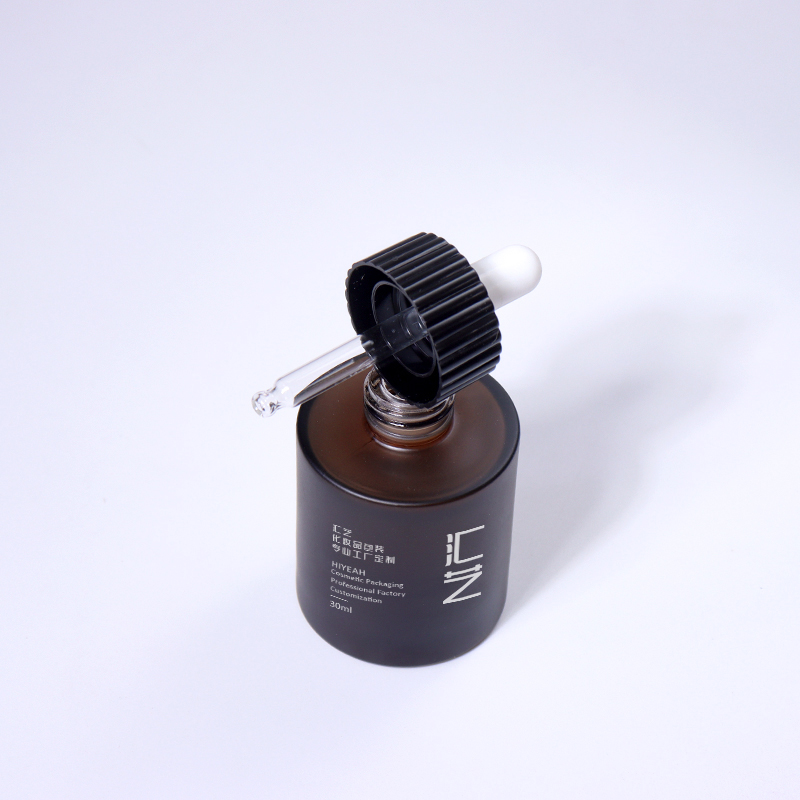
Why an Anti-Light dropper bottle Fits Essential Oil Packing
Essential oils degrade under light, and the container is the only barrier between the oil and the shelf. An anti-light dropper bottle addresses both problems at once, because the tinted or opaque body limits the light reaching the oil while the dropper meters the dose without a separate tool. The gap between a bottle that preserves and one that merely holds sits in the light protection and the dropper precision. Buyers who match the dropper bottle to the oil and the usage pattern get a container that protects the product and suits the routine. The guidance below covers real packing lines, the failure modes of a clear bottle, the engineering that shields the oil, and a buyer checklist for an essential oil bottle.
Real-World Industry Case / Scenario
A Brand That Stopped the Fade
An essential oil brand packed in a clear dropper bottle and found the oil darkened and lost top notes within months on a lit shelf. Moving to an anti-light dropper bottle slowed the degradation noticeably. The buyer learned that the container is a preservation system, and that a dropper bottle specified for appearance alone shortens the shelf life the label promises.
Hold a filled sample under light. The only reliable test of an anti-light dropper bottle is a filled unit under the light it will actually see, because a laboratory barrier figure does not show the colour change. Buyers who hold the sample see the protection the dropper bottle really offers.
A documented specification keeps every reorder consistent across production batches.
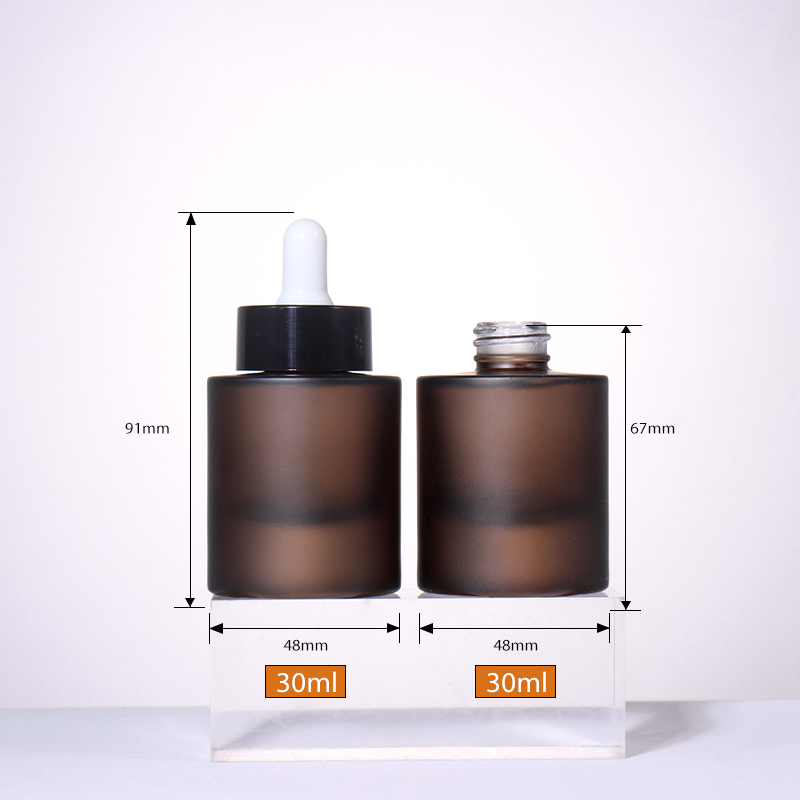
A Line That Fixed the Dose
A packing line used a dropper with an inconsistent draw, so customers received a different volume each time and the usage instructions did not match the experience. Switching to a calibrated dropper bottle standardised the dose. The buyer learned that the dropper is a measuring device, and that an essential oil bottle with a consistent draw makes the usage guidance honest.
Check the bulb and pipette as a pair. The draw consistency comes from the bulb and the pipette together, so a matched assembly matters more than either part alone. An essential oil bottle with mismatched components delivers a variable dose no calibration can fix.
Spare closures and caps on hand turn a short supply into a quick swap rather than a stopped line.
Risk & Failure Mode Analysis
Light Degradation in a Clear Body
The dominant risk for an essential oil is light, because ultraviolet and visible light both drive the oxidation that changes the scent and the colour. A clear dropper bottle offers no barrier, and the degradation shows as a darkened oil and a flattened top note. The fix is an anti-light body, because a dropper bottle that shields the oil preserves the product the customer is buying.
Specify the fill level with the closure. A dropper bottle filled too high leaves the pipette short and one filled too low strands product, so the fill level belongs in the specification. Buyers who set the fill level get the draw the glass dropper was designed to deliver.
A named owner for each component keeps accountability clear when a part arrives out of tolerance.
Inconsistent Draw and Leakage
A second risk is an inconsistent draw, because a dropper that delivers a different volume each time makes the usage guidance meaningless and wastes product. A leak at the cap or the bulb is worse, since it ruins the label and the carton. The buyer should specify the draw consistency and the seal together, because an essential oil bottle that leaks or varies cannot be sold on a measured dose.
Confirm the child-resistant option where needed. An essential oil carried in a home with children may need a child-resistant closure, and the requirement varies by market. Buyers who confirm the requirement early avoid the serum bottle that cannot be sold in its destination.
A dropper bottle that matches the site and the user group pays for itself through repeat use and fewer repairs.
Technical Principles & Standard Compliance
Light Barrier, Dropper Calibration, and Seal
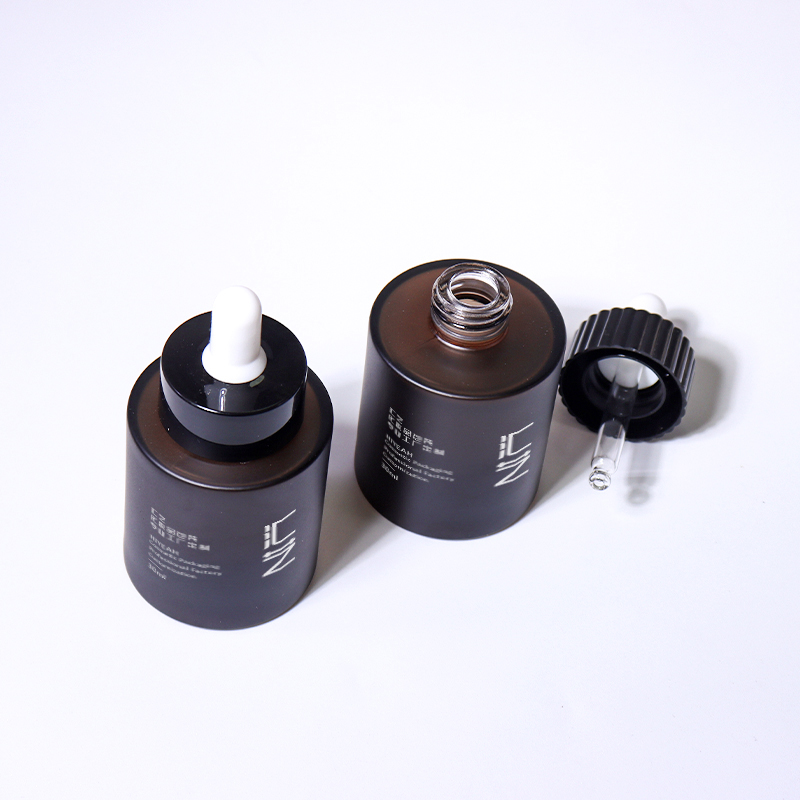
An anti-light dropper bottle works on three variables: the light barrier, the dropper calibration, and the seal. The light barrier is the primary one, because a tinted or opaque body reduces the light reaching the oil and slows the oxidation that changes the scent. The dropper calibration determines whether the dose is repeatable, since a consistent draw is what makes the usage guidance honest, and the bulb and the pipette tolerance set that consistency. The seal matters because an essential oil is often carried in a bag and a leak ruins both the label and the carton. Material compatibility should also be confirmed, because some oils attack certain plastics and the dropper assembly has to resist the formula it delivers. Buyers should specify the light barrier, the draw consistency, the seal, and the material compatibility together, because a dropper bottle strong on one and weak on the others fails in daily use.
A packaging programme begins with the product, because a container chosen for the shelf rather than the contents fails in use.
Regular inspection catches the moulding drift that appears long before the part fails.
Actionable Buyer & Maintenance Guide
Specifying for Oil Protection
Buyers should specify the anti-light dropper bottle by light barrier, draw consistency, seal type, and material compatibility with the formula, then confirm the closure torque and the fill level with the supplier. Suppliers of anti-light dropper bottles such as Hiyeah provide an essential oil bottle plan that names the barrier, the dropper, and the seal. A filled sample should be held under light to confirm the protection. A dropper bottle specified this way preserves the oil and meters the dose the customer expects.
A physical sample beats a drawing every time, because the hand judges weight, balance, and closure that a render cannot show.
A written handling procedure keeps the same standard across shifts and crews.
Frequently Asked Questions
Question 1: Why does light matter for essential oils?
Answer: Light drives the oxidation that changes the scent and the colour of an essential oil, so a clear container shortens the life the label promises. An anti-light dropper bottle reduces the light reaching the oil and slows the change. Buyers should treat the container as a preservation system, because a dropper bottle chosen for appearance alone fails the product.
Question 2: How consistent should the dropper draw be?
Answer: The draw should be repeatable enough that the usage guidance matches what the customer actually receives, since an inconsistent dose makes the instructions meaningless. A calibrated dropper bottle delivers the same volume each time. Buyers should specify the draw tolerance, because an essential oil bottle with a variable draw cannot be sold on a measured dose.
Question 3: Does the material matter?
Answer: Yes, because some oils attack certain plastics and the dropper assembly has to resist the formula it delivers. A glass dropper with a compatible bulb and cap is the usual choice for an aggressive oil. Buyers should confirm the material compatibility, because a dropper bottle that degrades in contact with the product fails within weeks.
Question 4: What seal suits a carried bottle?
Answer: The seal has to survive a bag and a handbag, so the cap and the bulb interface are where the leak risk sits. A dropper bottle with a positive seal and a checked closure torque carries without incident. Buyers should test the filled unit, because an essential oil bottle that leaks ruins the label and the carton it sits in.