 EN
EN

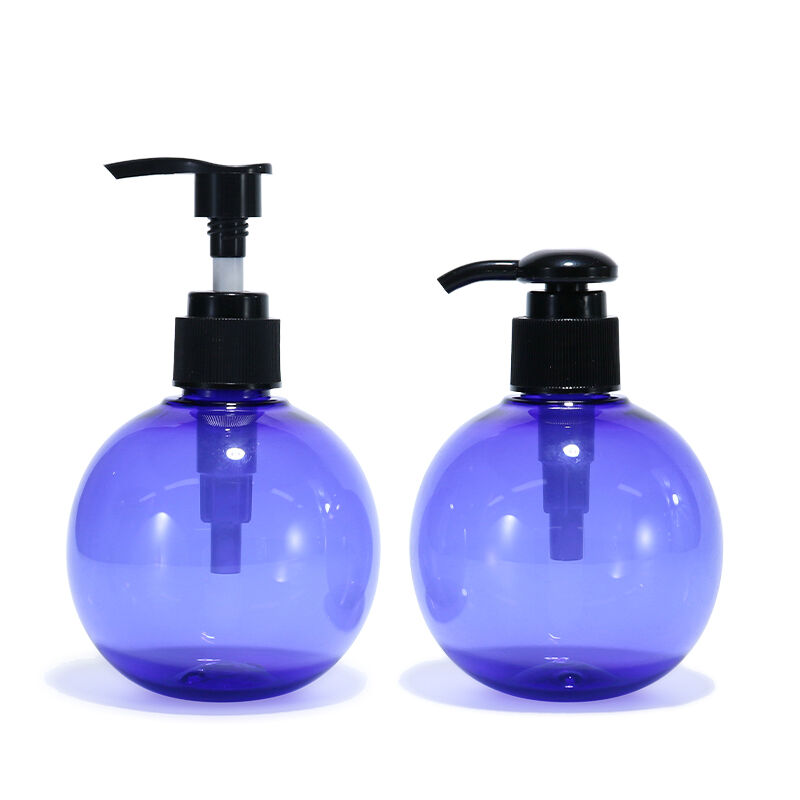
Как вискозитетът определя подходящата бутилка с помпа
Серуми с нисък вискозитет срещу лосиони с висок вискозитет: механични изисквания към конструкцията на помпата
Серумите — от водоподобни (1 mPa·s) до леки масла (50–100 mPa·s) — изискват точно проектирани помпи, които контролират потока при ниско налягане. Тези формули изискват:
- Дюзи с фин връх, за да се предотврати капенето
- Плътни уплътнения, за да се противостоят на капилярно изтичане
- Механизми за дозиране с ниско усилие, за да се избегне прекомерна доза
В противовес, лосионите и кремовете имат поведение, подобно на шампоан (2000–5000 mPa·s) или мед (10 000–20 000+ mPa·s). Съпротивата им на течност изисква:
- По-широки дюзи за непречено преминаване
- Системи за задействане при по-високо налягане
- Усилени вътрешни компоненти за издръжане на повтарящо се механично напрежение
Несъответствие между вискозитета и конструкцията на помпата води до незабавен отказ: тънките серуми изтичат през прекалено големи камери и слабо уплътнени стикерни повърхности; гъстите лосиони запушват тесните серумни дюзи или спират при недостатъчно налягане. Правилната буталка с помпа трябва да бъде проектирана — а не просто избрана — според реоложния профил на течността.
Защо стандартните лосионни помпи изтичат или се повреждат при използване с серуми (а вакуумните помпи не осигуряват достатъчна производителност при гъсти лосиони)
Стандартните лосионни помпи са конструирани за вискозитети над 1000 mPa·s, като използват камери с голям диаметър и по-гъвкави допуски за уплътнения. Когато се пълнят с серуми с вискозитет под 100 mPa·s, гравитацията и капилярното действие изместват течността покрай тези зазори — което води до изтичане по време на съхранение и до непостоянно, неудобно и мръсно дозиране.
Безвъздушните помпи се отличават при използването на серуми, като предотвратяват окисляването и осигуряват прецизно дозиране — но поради вакуумното задвижване на буталата им те нямат достатъчна механична сила за последователна подаване при вискозитет над 5000 mPa·s. Потребителите съобщават за непълно раздаване, увеличена умора на ръцете и остатъчен продукт, задържан в камерата. За емулсии с висока вискозитет традиционните притиснати помпи с калибрирани пружини осигуряват по-високо налягане, по-точно дозиране и по-ефективно изпразване.
Безвъздушни помпени бутилки за стабилност и прецизност на серумите
Окисляване и експозиция на светлина: Защо безвъздушните помпени бутилки са задължителни за активни серуми
Бутилките с въздушна помпа осигуряват истинска бариера срещу проникването на кислород и ултравиолетовото (UV) излагане — двата основни фактора, предизвикващи деградация на активните съставки. Чрез поддържане на запечатана вакуумна среда те предотвратяват окисляването на чувствителни съединения като витамин С, ретиноиди и пептиди. Реферирани научни изследвания потвърждават, че антиоксидантите могат да загубят 40–60 % от своята потенция в рамките на осем седмици при излагане на атмосферния въздух. Непрозрачните и UV-стабилизирани материали допълнително защитават светлочувствителните активни съставки. За серумите, при които химическата стабилност е пряко свързана с клиничната ефективност, тази двойна защита е основополагаща — не по избор.
Последователно дозиране и запазване на цялостта на формулата при многократна употреба
Поршневият механизъм в системите с въздушна помпа осигурява идентични микродози при всяко натискане — критично за силно концентрирани серуми, при които прекомерното прилагане може да предизвика раздразнение или намалена ефективност. Тази последователност гарантира:
- Еднородно доставяне на активните съставки при всяко приложение
- Минимални загуби, с евакуиране на 95–98 % от продукта
- Герметична запечатваност между употреби, предотвратяваща бактериално замърсяване, изпаряване или промяна на вискозитета
В отличие от бутилки с открито гърло или традиционни пумпени бутилки, безвъздушните системи запазват стабилността на pH и хомогенността на формулата — особено важно за киселинни активни съставки като AHA, чиято ефективност зависи от поддържане на ниски pH условия.
Непропускливи запечатвания и съвместимост според текстурата при пумпени бутилки
Ефективната работа на пумпените бутилки зависи от специално проектирани запечатвания и съвместимост на материали — а не от универсални компоненти. Тънките серуми изискват изключително прецизни решения за запечатване: силиконови уплътнения за медицинско използване създават надеждни, напълно непропускливи интерфейси между актьора, тръбичката за всмукване и резервоара. За по-гъстите лосиони уплътненията от термопластичен еластомер (TPE) издържат многократно високо налягане при компресия, без да се цепят или деформират. Цялостността на уплътненията се потвърждава според стандартния в отрасъла тест ISTM-3A за падане — симулиращ реални транспортни натоварвания при различни температурни режими и удари.
Несъвместимостта, специфична за текстурата, отговаря за 23 % от потребителските оплаквания (Доклад за козметичния бизнес, 2023 г.), което подчертава причината, поради която насосните конструкции по принцип „един размер е подходящ за всички“ не дават добри резултати. Успешното съчетаване изисква холистично валидиране: вътрешните обвивки, устойчиви на химични вещества, предотвратяват взаимодействието с формулата; капачките с вентилационни отвори осигуряват място за отделяне на газове при формули, които ги отделят; а геометрията на дюзата съответства на поведението при намаляваща връзка (shear-thinning) или при течност с граница на течност (yield-stress). Това интегрирано инженерно решение елиминира протичането, запазва точността на дозирането и удължава полезната продължителност на годност за всички продукти независимо от техните текстури.
Съгласуване на вместимостта и механизма на насосната бутилка с типа продукт
30 мл безвъздушни насосни бутилки за серуми срещу 50–250 мл бутилки със стегнати капачки или насосни бутилки за лосиони
Вискозитетът определя не само как начина, по който се дозира продуктът — но и количеството, което трябва да побере, и който механизмът, който гарантира надеждно дозиране. Серумите — обикновено предлагани в 30 мл формат — най-много се възползват от безвъздушни насоси, които:
- Запазват активните съставки, склонни към окисление, чрез пълна вакуумна изолация
- Осигуряват повторяеми и точно дозирани количества, идеални за силно концентрирани формули
- Постигане на почти пълно изпразване, което минимизира отпадъците и максимизира стойността
Високовискозните лосиони обаче често се опаковат в обеми от 50–250 мл и използват здрави ципови или лосионни помпи, проектирани за механична устойчивост. Тези системи:
- Създават по-голяма дозираща сила, за да преместват гъсти емулсии
- Използват по-широки дюзи и подсилени пружини, за да се предотврати запушването и умората
- Запазват цялостността на уплътнението при по-големи резервоарни обеми и по-дълги срокове на годност
Използването на безвъздушна система за гъсти лосиони води до механично напрежение и непостоянен дозиращ ефект; използването на стандартна лосионна помпа за серуми предизвиква изтичане, окисление и намаляване на ефективността. Съгласуването на капацитета, механизма и вискозитета не е просто детайл в опаковката — това е функционално изискване за производителност, безопасност и потребителско доверие.
Често задавани въпроси
Какво е значението на правилния избор на бутилка с помпа за различни вискозитети?
Правилната пумпена бутилка осигурява правилно дозиране, предотвратява изтичане или запушване и поддържа стабилността на формулировката на продукта. От съществено значение е конструкцията на пумпата да съответства на вискозитета на продукта за ефективна и безпроблемна употреба.
Защо въздушните пумпени бутилки работят по-добре за серуми?
Въздушните пумпени бутилки защитават серумите от окисляване и UV-излагане, което гарантира тяхната стабилност и потенциал. Освен това те осигуряват прецизно и последователно дозиране, което е от решаващо значение за ефикасността на активните съставки.
Могат ли пумпени бутилки за лосион да се използват за серуми?
Не, стандартните пумпени бутилки за лосион са проектирани за по-гъсти формулировки с по-висок вискозитет. Използването им за серуми може да доведе до изтичане, неудобно дозиране и намаляване на стабилността на продукта.
Какви са основните разлики между 30 мл въздушни пумпени бутилки и по-големите пумпени бутилки за лосион?
бутилките с вакуумна помпа от 30 мл са идеални за серуми, тъй като осигуряват вакуумна изолация и прецизно дозиране. По-големите бутилки с помпа за лосион, обикновено с вместимост 50–250 мл, са предназначени за по-гъсти лосиони и изискват здрави механизми за ефективно дозиране.
Съдържание
- Как вискозитетът определя подходящата бутилка с помпа
- Безвъздушни помпени бутилки за стабилност и прецизност на серумите
- Непропускливи запечатвания и съвместимост според текстурата при пумпени бутилки
- Съгласуване на вместимостта и механизма на насосната бутилка с типа продукт
-
Често задавани въпроси
- Какво е значението на правилния избор на бутилка с помпа за различни вискозитети?
- Защо въздушните пумпени бутилки работят по-добре за серуми?
- Могат ли пумпени бутилки за лосион да се използват за серуми?
- Какви са основните разлики между 30 мл въздушни пумпени бутилки и по-големите пумпени бутилки за лосион?