 EN
EN

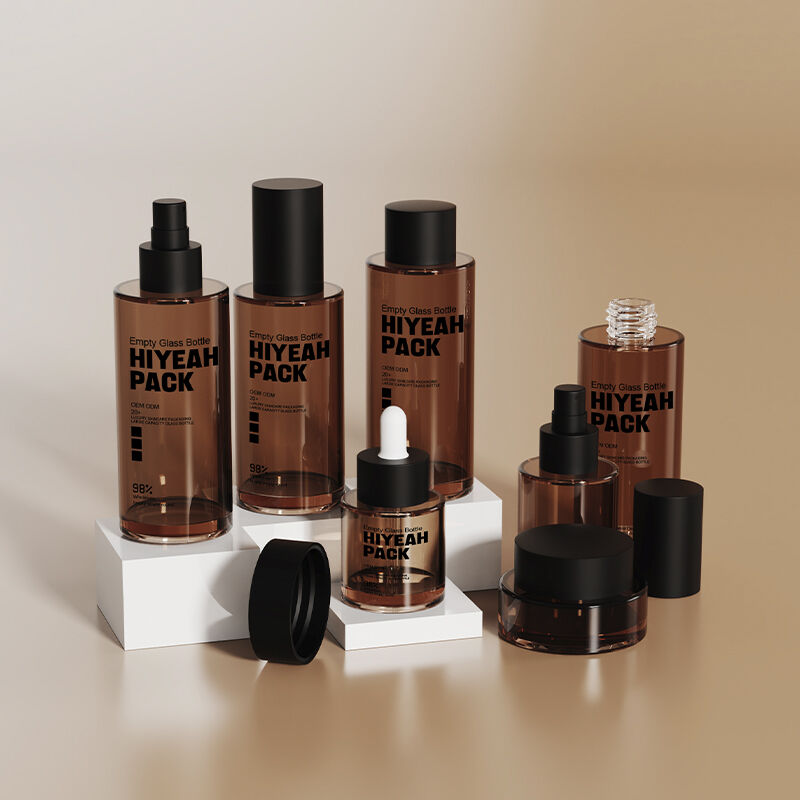
Безвъздушни козметични кутии: максимизиране на стабилността и ефективността за кремове и маски
Как безвъздушните помпени системи предотвратяват окисляването и запазват активните съставки
Системите с въздушни помпи създават вакуумно запечатана среда, която физически блокира достъпа на кислород – основния фактор, предизвикващ деградацията на козметичните продукти. Като елиминират контакта с въздух, те предотвратяват окисляването на чувствителни активни съставки като витамини А, С и Е, ретинол и билкови екстракти. Независими изследвания за стабилност потвърждават, че тези системи запазват потенцията на съставките до 38 % по-дълго в сравнение с конвенционалните шишенца. Механизмът се основава на издигащ се бутален механизъм, който измества продукта, без да позволява обратен поток – така се гарантира, че в камерата няма да проникне отново въздух. Тази конструкция елиминира необходимостта от директен контакт с пръсти, което значително намалява риска от микробно замърсяване и намалява изискванията към консерванти до 70 %. Според Научния комитет на Cosmetics Europe технологията с въздушни помпи е една от най-ефективните търговски налични методи за запазване на цялостта на формулите, без да се компрометира сетивната или функционалната им ефективност.
Изключителни характеристики: Високовискозно шишенце с въздушна помпа, 275 мл, с дебели стени, за формули на маски за коса
Концентрираната безвъздушна кутия с обем 275 мл и дебели стени е проектирана специално за професионални маски за коса и гъсти кремове. Дебелината на стените от 1,5–2,0 мм осигурява структурна устойчивост, която е критична за формулировки с висока вискозитет — предотвратява деформация при дозиране под високо налягане и осигурява здрава защита срещу ултравиолетовите лъчи чрез материали, които по своята природа блокират светлината. При ускорени изпитания за стабилност маските въз основа на ши-масло запазват пълната си вискозитет и концентрация на активните съставки в продължение на 24 месеца в този формат — с осем месеца по-добри от алтернативите с тънки стени. Кутията осигурява почти пълно изпразване (<3 % остатъчен отпадък) и поддържа прецизно дозиране (1,2 г на натискане на помпата), което гарантира последователно нанасяне и минимизира прекомерната употреба. При този обем кутията осигурява баланс между щедър капацитет за продукт и ергономично държане — намалява умората на ръцете по време на употреба в салон или у дома — и затова е станала де-факто стандарт за премиум високопотребителски гъсти продукти.
Пластмасови козметични шишета: икономически ефективни, хигиенични и универсални опаковъчни решения
Дебелостенни срещу двустенни конструкции — влияние върху цялостността на продукта и срока му на годност
Дебелостенните пластмасови шишета осигуряват превъзходна твърдост и устойчивост към удар — идеални за вискозни продукти като маски за коса и телесни масла. Еднослойната им конструкция осигурява надеждни бариерни свойства спрямо кислорода, намалявайки оксидативната деградация с 15–20 % спрямо стандартните контейнери, според Преглед на опаковъчната наука (2023 г.). Вариантите с двойна стена включват изолираща въздушна цепнатина, която компенсира температурните колебания по време на транспортиране и съхранение — ключово предимство за термолабилни съставки като ретиноиди и витамин С. Докато конструкцията с дебели стени осигурява разходна ефективност и отлична производителност за формули, предназначени за ежедневна употреба, двойната стена удължава срока на годност до 30 % за премиум продукти чрез подобряване на задържането на влага и намаляване на ултравиолетовото излъчване. И двете конфигурации се подлагат на строги изпитания за екстрактуеми и измиваеми вещества според стандарта USP <661.2>, което гарантира съвместимост с емулсионни козметични продукти и дългосрочна стабилност на текстурата.
Риск от замърсяване при използване на лъжица и хигиенното поведение на потребителите: намаляване на риска от контаминация при употреба от отворен съд
Опаковката с отворен съд води до значителен риск от замърсяване: 68 % от потребителите признават, че използват немити пръсти, за да вземат продукта ( Проучване на потребителската хигиена , 2022 г.). При богати на хранителни вещества формули, съдържащи вода – като маски и кремове, това поведение ускорява микробното размножаване, дори при наличие на консерванти. Ефективни мерки за намаляване на риска включват интегрирани слотове за антимикробни шпатули, отвори с тесен врат, които ограничават достъпа с пръсти, и пломби, които показват дали опаковката е била отваряна, гарантирайки хигиена при първото използване. Вдлъбнатите вътрешни геометрии допълнително намаляват остатъците по стените на опаковката и така намаляват необходимостта от многократен контакт. Когато се комбинират с ясно маркиране – например „Използвайте чисти ръце или приложеното средство“ – тези функции запазват микробиологичната безопасност, без да жертват тактилното усещане на традиционните шишенца. Такъв дизайн, основан на научни данни, съответства на насоките на FDA относно опаковките за потребителско използване и подпомага съответствието с ISO 22716 (Добра производствена практика за козметични продукти).
Стъклени козметични шишенца: премиална естетика, структурна здравина и диференциация на бранда
Стъклените козметични шишенца повишават възприятието за бранда чрез вродените качества на материала: оптична прозрачност, тегло и елегантност, свързана с пречупването на светлината. Непроницаемостта им осигурява безпрецедентна бариерна защита — изключва проникването на кислород и предотвратява взаимодействието между съставките, което е от решаващо значение за стабилизиране на активните съставки, склонни към окисление, в кремове и маски. За разлика от пластмасите, стъклото осигурява естествена защита срещу ултравиолетовите лъчи без добавяне на допълнителни вещества, подпомагайки дългосрочната цялост на формулата. Анализите на пазара показват, че брандовете, използващи стъклена опаковка, постигат 23% повишаване на възприеманата стойност на продукта, което директно корелира с готовността на потребителите да платят по-висока цена. Доклад на McKinsey за устойчивостта в козметичния сектор , 2023 г.), 100% рециклируемостта на стъклото и неговият потенциал за неограничено повторно използване убедително подкрепят твърденията за устойчивост. Възможностите за персонализация – включително матови повърхности, основи с керамично покритие и маркиране чрез лазерно гравиране – подобряват уникалността на разопаковането и тактилното взаимодействие, което засилва емоционалната връзка и насърчава повтарящото се закупуване.
Оптимален избор на размер на козметична кутия: съгласуване на обема с вискозитета на продукта и потребителското изживяване
Защо 275 мл представлява идеалния баланс за гъсти кремове и маски за коса
Размерът от 275 мл представлява сливане на формулиращата наука, човеко-машинното проектиране и прагматизма в доставковата верига — особено за продукти с висока вискозитет, като маски за коса и богати кремове. Той отговаря на типичните обеми за употреба (напр. 2–3 приложения седмично в продължение на 3–4 месеца), намалявайки честотата на повторните покупки, докато остава добре в рамките на сроковете за годност. От решаващо значение е, че този обем ограничава натрупването на въздушно излагане при многократно отваряне — по-ефективно запазвайки ингредиенти, чувствителни към окисление, в сравнение с по-малки шишенца, които се отварят по-често. От гледна точка на удобството на употреба, обемът от 275 мл осигурява удобен хват и контролирано дозиране, без да предизвиква умора на ръцете — особено важно за професионалисти в салони или за потребители, които прилагат гъсти текстури. Структурно той позволява оптимална дебелина на стените за устойчивост и бариерна ефективност, без излишна употреба на материали — подпомагайки както стопанската ефективност, така и устойчивата плътност при транспортиране. По тези причини обемът от 275 мл е станал референтна вместимост в водещите дерматологично и трихологично формулирани режими.
Основни предимства:
- Намален риск от замърсяване от по-малко отвори през целия жизнен цикъл на продукта
- Економически ефективен оптимизирано използване на материали и оптимизирана логистична следа
- Подобряване на потребителския опыт , като се постига баланс между щедър обем и интуитивно управление
Често задавани въпроси
В: Каква е основната предимство на безвъздушните козметични шишета?
О: Безвъздушните козметични шишета предотвратяват окисляването и запазват ефективността на съставките, като създават вакуумно запечатана среда, която блокира достъпа на кислород.
В: Как безвъздушните помпени системи намаляват контаминацията?
О: Тези системи предотвратяват повторното навлизане на въздух и допира с пръсти, значително намалявайки рисковете от микробна контаминация и необходимостта от консерванти.
В: Каква е предимството на безвъздушните шишета с дебели стени за маски за коса?
О: Безвъздушните шишета с дебели стени осигуряват структурна устойчивост по време на дозиране, защита от ултравиолетови лъчи и минимизиране на отпадъците от продукт, което подобрява ефективността на високовискозитетните формули.
В: Какви са предимствата на стъклени козметични шишета?
А: Стъклените шишета повишават възприятието за бренд, осигуряват максимална бариерна защита и са в съответствие с целите за устойчивост поради възможността им за рециклиране и повторно използване.
В: Защо размерът от 275 мл е идеален за козметични шишета?
А: Той балансира нуждите от формулиране и ергономичните изисквания на потребителите, ограничава контакта с въздух, отговаря на типичната употреба и подпомага както икономическата ефективност, така и ефективността на веригата за доставки.
Съдържание
- Безвъздушни козметични кутии: максимизиране на стабилността и ефективността за кремове и маски
- Пластмасови козметични шишета: икономически ефективни, хигиенични и универсални опаковъчни решения
- Стъклени козметични шишенца: премиална естетика, структурна здравина и диференциация на бранда
- Оптимален избор на размер на козметична кутия: съгласуване на обема с вискозитета на продукта и потребителското изживяване
- Често задавани въпроси